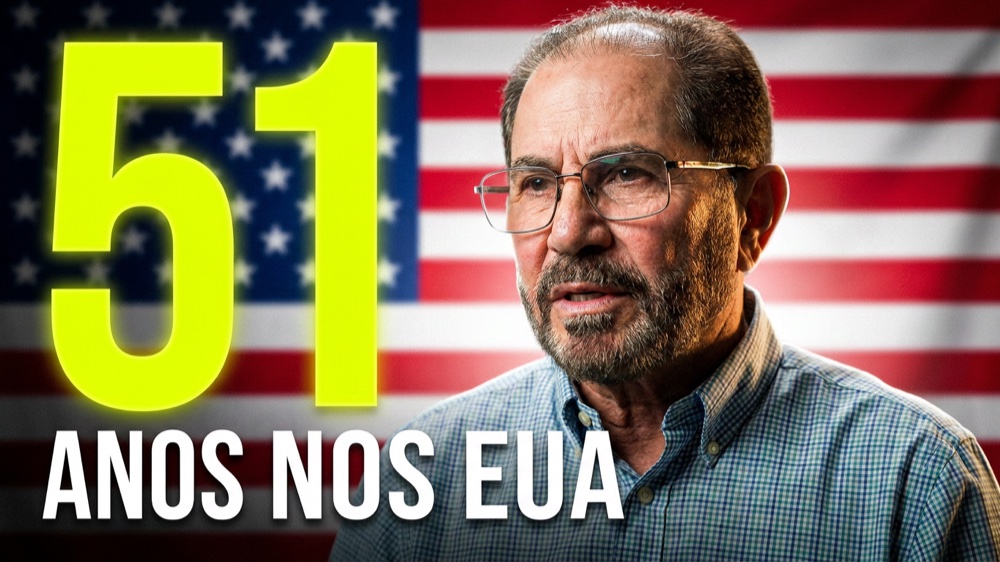

No one is ready for this. A housemate who hasn't been seen in two days, a closed door, a strange silence. For Brazilians living alone in Los Angeles — often sharing a house with people they barely know — the death of someone close usually comes without a manual. The first episode of the "911: Emergency in Los Angeles" segment, from the Brasileiros em Los Angeles podcast, is about exactly that: what actually happens when a Brazilian is found dead in California, and what each person around them can (and should) do.
Two cases that show the problem
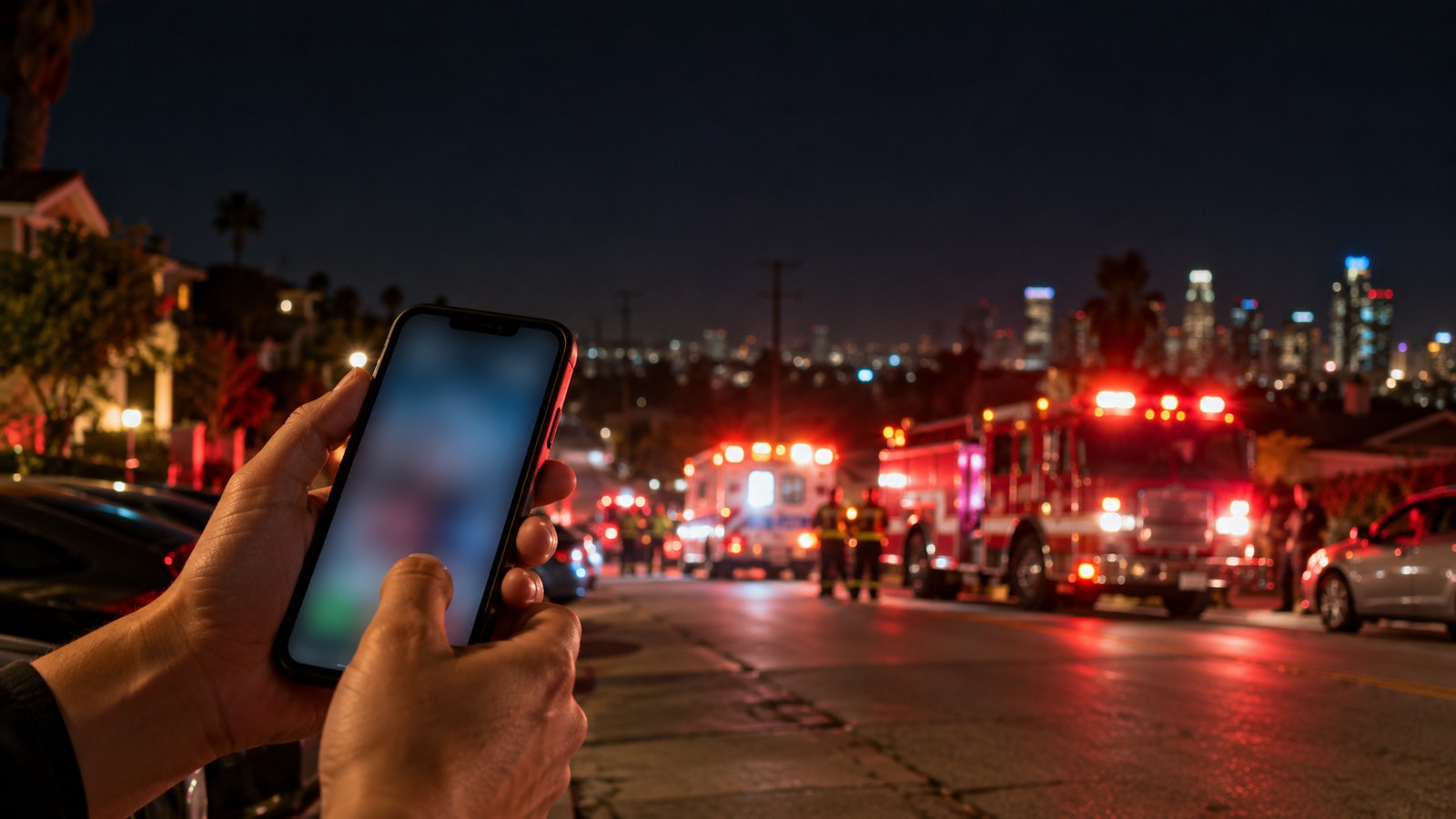
Host Jason Lanzarini opens with a story from the Brazilian student house he used to manage. Months after he handed the property back, he learned that a newly arrived Brazilian — about fifty years old, in the country for two months — had collapsed on the sidewalk in the middle of the night, next to his own car. The ambulance and the police took the body, but no one in the house saw it. To his housemates, he had simply vanished. Only a week later did anyone find out he was at the Medical Examiner (formerly the Coroner, the equivalent of Brazil's IML).
Pastor Miguel Albanês tells the other side: the case of Maria, a friend of more than 20 years. Her housemates didn't see her one day and assumed she had already gone to bed. On the second day, they found it odd. That night, one of them knocked, got no answer and opened the bedroom door. She was dead in her bed. They called the pastor without knowing what to do.
Step one: 911, always
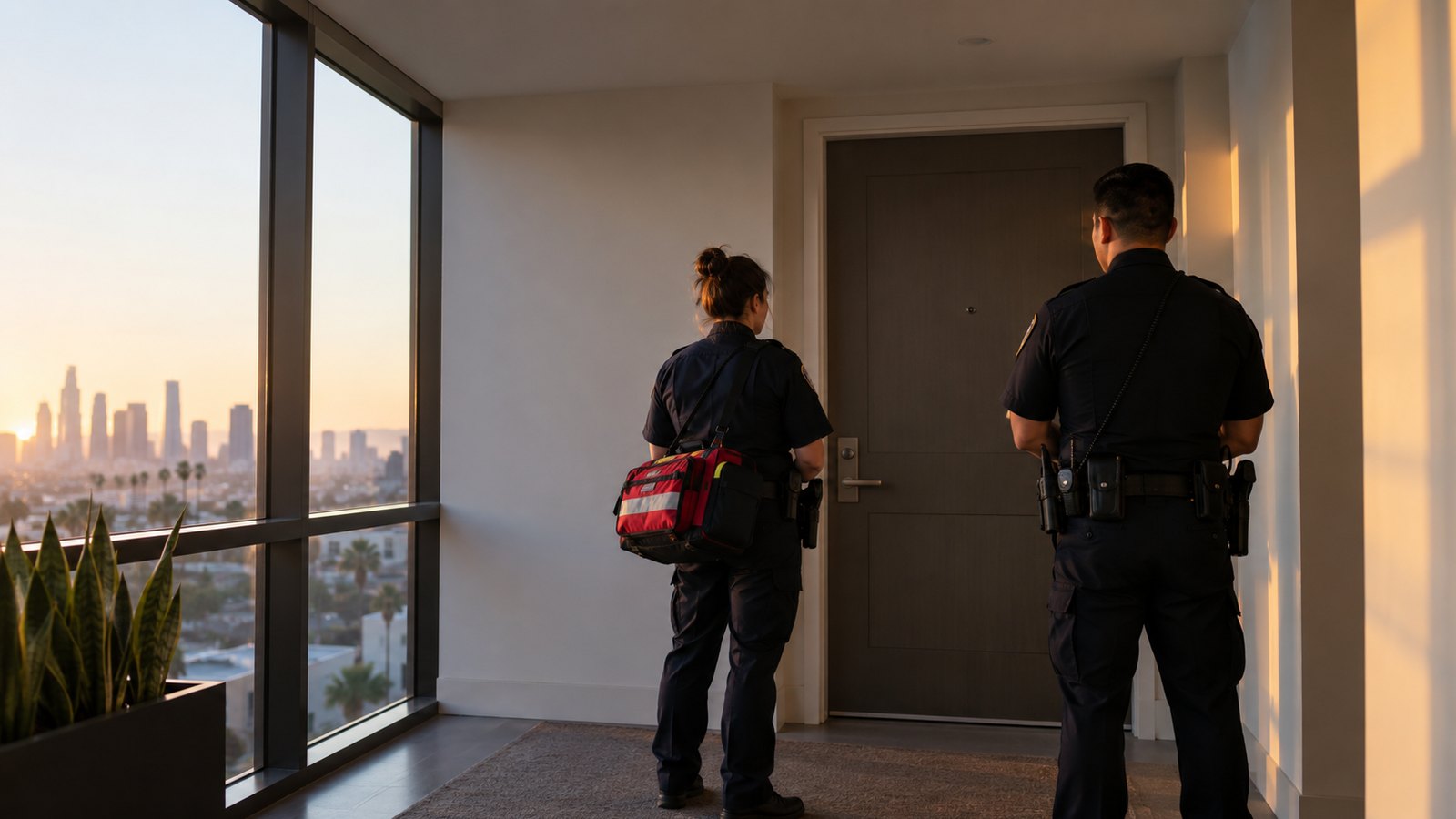
The pastor's guidance was the same any authority would give: call 911. In the United States there is a single number for police, fire and ambulance, and the dispatcher sends whichever crews are needed. When someone dies at home, both go: the police, who file the report, and the paramedics — in the City of Los Angeles, from the Fire Department (LAFD) — who usually pronounce the death at the scene. The officer is not a doctor; even when a person is clearly lifeless, it is the paramedic who pronounces death; the cause and the death certificate are up to the physician or the Medical Examiner.
Until help arrives, the rule is to touch nothing: don't move the body, don't clean the room, don't pick up belongings. The scene may need to be examined. If there is any chance the person is still alive, follow the 911 dispatcher's instructions — helping comes first.
The police need a responsible party
By the time the pastor arrived, the paramedics had already left, but the officer was waiting. "Is the pastor going to take over the case?" — there had to be a responsible party to receive instructions, the report number and the officer's contact. It sounds like a small detail, but it's what keeps the case moving. To this day the pastor keeps the officer's card in his wallet, with the name, badge number and report number — that number is how any agency finds the record later. Being the point of contact does not give anyone authority over the body — that stays with the family.
Medical Examiner or funeral home: the doctor makes the difference
In California, the law requires the county coroner to investigate violent, sudden or unusual deaths, as well as so-called "unattended" deaths: when the person was not under a physician's care, or had not seen a doctor in the previous 20 days (Government Code, section 27491). In those cases the body usually goes to the Medical Examiner, who determines the cause of death — sometimes with an autopsy — before releasing it.
In Maria's case, that wasn't necessary. She had a doctor treating a known health condition; the paramedics assessed her, the doctor confirmed the condition, and the Medical Examiner authorized the body to go straight to a funeral home. Even so, the death certificate took days to come out. The pastor makes a point of stressing this: the church knew who her doctor was. "Now imagine if you don't."
The contrast with the other case is stark. With no doctor, no medical history and no one who knew who he was, the man on the sidewalk went to the Medical Examiner as an unknown — and stayed there until someone came looking.
Who decides what happens to the body
A point the episode touches on briefly and that is worth explaining: under California law, the right to decide about the body — funeral home, cremation, burial, repatriation — follows an order set by law (Health and Safety Code, section 7100). First comes whoever the person named in a health care document; then the spouse or registered domestic partner, adult children, parents, siblings and so on. A friend, housemate or pastor is not on that list. They can help, a lot, but decisions require the family's authorization — usually in writing, through a power of attorney or a signed statement.
That's what happened with Maria: the pastor reached her sister in Brazil (he happened to have her phone number), the sister came and signed a power of attorney so he could handle whatever was left. When no family member steps forward, the case goes to the county. A document signed in Brazil usually has to be legalized to be valid here — confirm the requirement with the funeral home and with a licensed professional.
What if the family is in Brazil and can't reach the person?
The third case in the episode is Antônio, a businessman in his early thirties who came to study English and rented a room. His family called for two, three days with no answer — and it was they, from Brazil, who contacted the police. He was dead in his room; no one in the house had noticed.
This option exists and few people know about it: anyone can ask the local police for a welfare check (also called a wellness check), giving the address of the person who isn't responding; the police assess the request and decide whether to send a unit. In Los Angeles, the LAPD non-emergency line is 1-877-ASK-LAPD (1-877-275-5273); outside the city, it's the police department or sheriff for the area where the person lives. That's why someone in the family needs the full address of whoever is living in the United States. If there's a reason not to give the address to family, leave it with a trusted person here.
What you can get ready now
The episode ends with the promise of a prevention guide, developed in the following episodes. From what comes up in this one, three steps stand out:
- Have a doctor — and leave their name and phone number with someone. This can avoid a trip to the Medical Examiner and shorten the process.
- Leave your family's contacts in Brazil with at least one person in the United States. In Maria's case, finding her sister took hours of late-night calls to Brazil.
- Set up a routine check-in with someone — a message a day, a call a week — so an absence gets noticed. In two of the three cases, days went by before anyone found it strange.
- If you have no family or housemates nearby: leave your information with your church, your workplace or a friend, and save an emergency contact on your phone.
- If there's a child, an older adult or a dependent at home, put in writing who should be called for them.
What the episode covers
The text above brings together the procedure and the law. The episode brings what doesn't fit into a rule: the pastor talking about his friend of two decades, the coldness of a city where "no one cares about your personal life," and what it feels like to have to handle everything while still in shock. Listen to the full episode on the Brasileiros em Los Angeles podcast.
Sources and verification
- California Government Code, section 27491 — deaths the county coroner is required to investigate, including those without medical attendance in the previous 20 days.
- California Health and Safety Code, section 7100 — legal order of who has the right to control the disposition of remains.
- Los Angeles County Department of Medical Examiner — duties and procedures in Los Angeles County.
- Los Angeles Police Department — non-emergency line (1-877-ASK-LAPD).
- The cases described are accounts from Pastor Miguel Albanês and Jason Lanzarini in the episode.
Who's speaking: Brasileiros em Los Angeles is the podcast of the Brazilian Community in the Los Angeles area, hosted by Jason Lanzarini, who since 2014 has run the Community's Facebook groups in California. This episode opens the "911: Emergency in Los Angeles" segment with Pastor Miguel Albanês of the First Brazilian Baptist Church of Los Angeles (PIBBLA), who for years has supported Brazilian families through deaths. The names of the people in the cases are fictitious.
Please note: the rules described apply to California — and, in several points, to Los Angeles County. Procedures differ in other states and counties. This text is general information, not legal advice: for a specific case, consult a professional licensed in California.
Watch this part of the episode:
First steps: police and paramedics arrive, and someone has to take responsibility for the case — starting at 7:12 · ☆ Brasileiros em Los Angeles
This article is a reference edition of episode 1 of the podcast and is subject to edits and editorial additions. For the full conversation, watch the episode. — Updated on 07/10/2026.