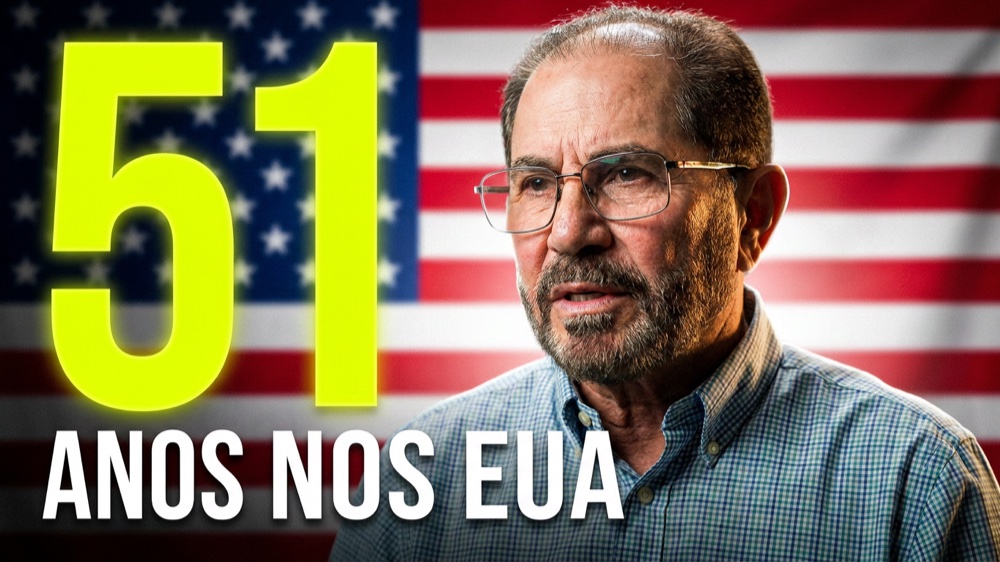


Of all the loose ends a death leaves behind, the car is often one of the most stubborn. In the first episode of the segment "911: Emergency in Los Angeles", Pastor Miguel Albanês says that, a long time after his friend Maria (not her real name) died, he still keeps her car documents in a drawer — waiting for the last payment so he can transfer it. The case is a good picture of how a car loan works after the borrower dies, and of what happens when there is no formal alternative at the time.
The case: a damaged, financed car with no buyer
When Maria died, her car was at a body shop, being repaired after a crash covered by insurance. The pastor needed authorization to pick it up. With the help of a Brazilian insurance agent, he tried three paths:
- returning it to the dealership (it was a financed car) — they refused;
- selling it to a large dealer — CarMax appraised the car but turned it down when it saw there was still debt on it;
- handing it to someone willing to take it over — that is what worked: a person who had already shown interest kept the car and continued making the payments.
The problem is what comes next. Until the loan is paid off, the car stays in Maria's name. When the last payment is made, the pastor, as her attorney-in-fact, hopes to be able to sign the transfer — without knowing whether the power of attorney will still be accepted.
Why nobody wants a car with debt on it
Jason Lanzarini explains the market logic: in the United States, dealers buy a lot at auction and pay little for used cars; a new car loses value the moment it leaves the lot. With three years paid on a five-year loan, it is common for the balance owed to be worth more than the car itself — what is known as negative equity. In that scenario, neither the dealer nor the bank has any reason to take the vehicle.
What changes when the borrower dies
Three points help explain what the family can and cannot do:
- The lender is the legal owner. The title of a financed car in California shows two names: the legal owner (the bank or finance company) and the registered owner (the person who uses it and pays for it). As long as there is debt, only the lender can release the title.
- The debt belongs to the estate, not the heirs. The balance is paid out of the assets the person left. Relatives are not liable with their own money — unless they signed the contract as co-borrowers or guarantors; in California, a surviving spouse may also be liable for debts incurred during the marriage.
- If nobody pays, the lender repossesses the car and sells it to reduce the debt, charging the estate any difference if there are assets.
Questions worth a phone call to the lender
Before any arrangement, it is worth calling the finance company and asking (lenders usually only share this information with someone who presents the death certificate and proves they represent the estate):
- whether the contract included any credit life or balance protection insurance that pays off the debt in case of death (some loans include it, and the family doesn't even know);
- whether there was GAP, the coverage that pays the difference between the car's value and the debt in case of a total loss;
- the exact payoff amount, and whether the lender accepts a buyer paying the debt directly, with the title released in the same transaction;
- whether a new loan is possible in the name of whoever is going to keep the car — the proper way to "take over" a loan.
The risks of the informal arrangement
The solution found in Maria's case solved the immediate problem, but it leaves loose ends every family should know about:
- Insurance: the car's insurance was in the name of the person who died. Whoever is driving needs their own coverage — and not every insurer will cover a car that is not in the driver's name; the driver should ask the insurer to be added as the primary driver before going back to using the car day to day. On top of that, the loan contract itself usually prohibits handing the car to someone else without the lender's authorization.
- Tickets and accidents: camera-recorded violations, tolls and civil liability remain tied to the registered owner.
- Final transfer: as a general rule, a power of attorney stops being valid when the person who granted it dies. After that, the person is represented by the estate administrator or the heirs, through the proper procedures.
For the transfer after payoff, the California DMV has specific paths. When there is no court probate, the heirs can use — if the estate is under the value limit and the waiting period set by the Probate Code has passed — the affidavit for transfer without probate (form REG 5), which requires, among other things, the death certificate and the heirs' signatures. When there is probate, the administrator appointed by the judge signs. Since heirs in Brazil have to prove their relationship, Brazilian documents may require translation and an apostille.
What you can already leave organized
The lesson of the case, in the pastor's own words, is that "you only find out when you start doing it". Anyone with a financed car can leave the family the name of the finance company, the contract number and information about any insurance tied to the loan — and, if they have assets in the United States, talk to an attorney about a will or a trust. Those tools are the subject of other articles in this series. Those who can't afford an attorney can get the forms directly from the DMV, free of charge. Listen to the full episode of the segment "911: Emergency in Los Angeles" on the Brasileiros em Los Angeles podcast.
Sources and verification
- California Department of Motor Vehicles — transferring a vehicle of a deceased person; form REG 5 (Affidavit for Transfer Without Probate) and titles with legal owner and registered owner.
- California Probate Code, sections 13100 and following — transfer of property without probate in small estates.
- Consumer Financial Protection Bureau — guidance on debts of deceased persons and the liability of family members.
- The case described is an account by Pastor Miguel Albanês in the episode; the name has been changed.
Who is speaking here: Brasileiros em Los Angeles is the podcast of the Brazilian Community in the Los Angeles area, hosted by Jason Lanzarini, who since 2014 has run the Community's Facebook groups in California. This episode opens the segment "911: Emergency in Los Angeles" with Pastor Miguel Albanês of the First Brazilian Baptist Church of Los Angeles (PIBBLA), who for years has supported Brazilian families through deaths; the pastor supports families through pastoral care — he does not provide legal or document services. The names of the people in the cases are fictitious.
Please note: the rules described apply to California — and, on several points, to Los Angeles County. Procedures change in other states and counties. This text is general information, not legal advice: for a specific case, consult a professional licensed in California.
Watch this part of the episode:
Complications with assets: what to do with the deceased person's financed car and the difficulties with dealerships — starting at 15:40 · ☆ Brasileiros em Los Angeles
This article is a reference edition of episode 1 of the podcast and is subject to edits and editorial additions. For the full conversation, watch the episode. — Updated on 07/10/2026.