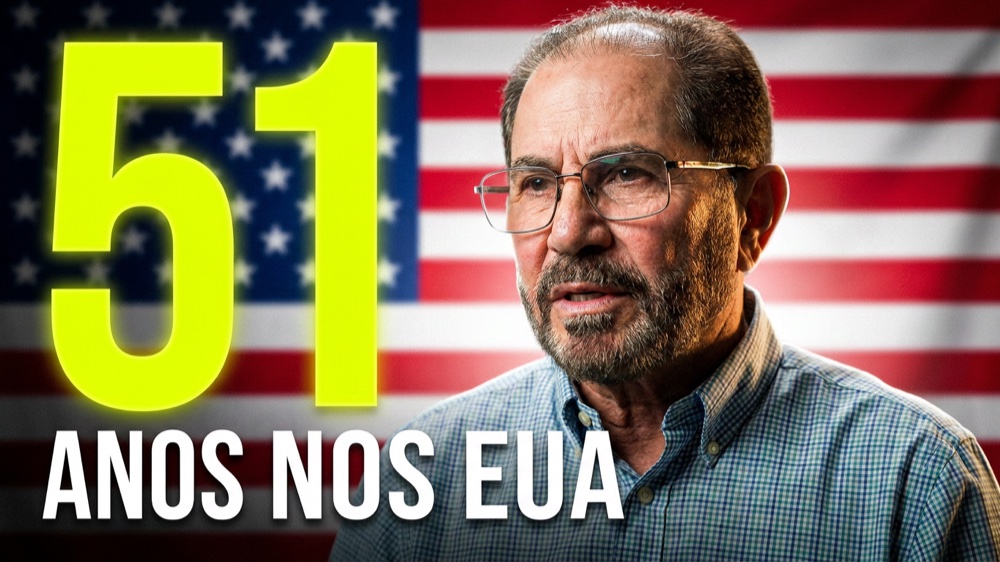

Every Brazilian who arrives in the United States has heard of 911 — it's in every movie. Few know, in practice, how it works, when to use it and what to say to the person on the other end of the line. The second episode of the segment "911: Emergency in Los Angeles," from the podcast Brasileiros em Los Angeles, starts with exactly that: the number that gives the segment its name.
One number, one center that decides
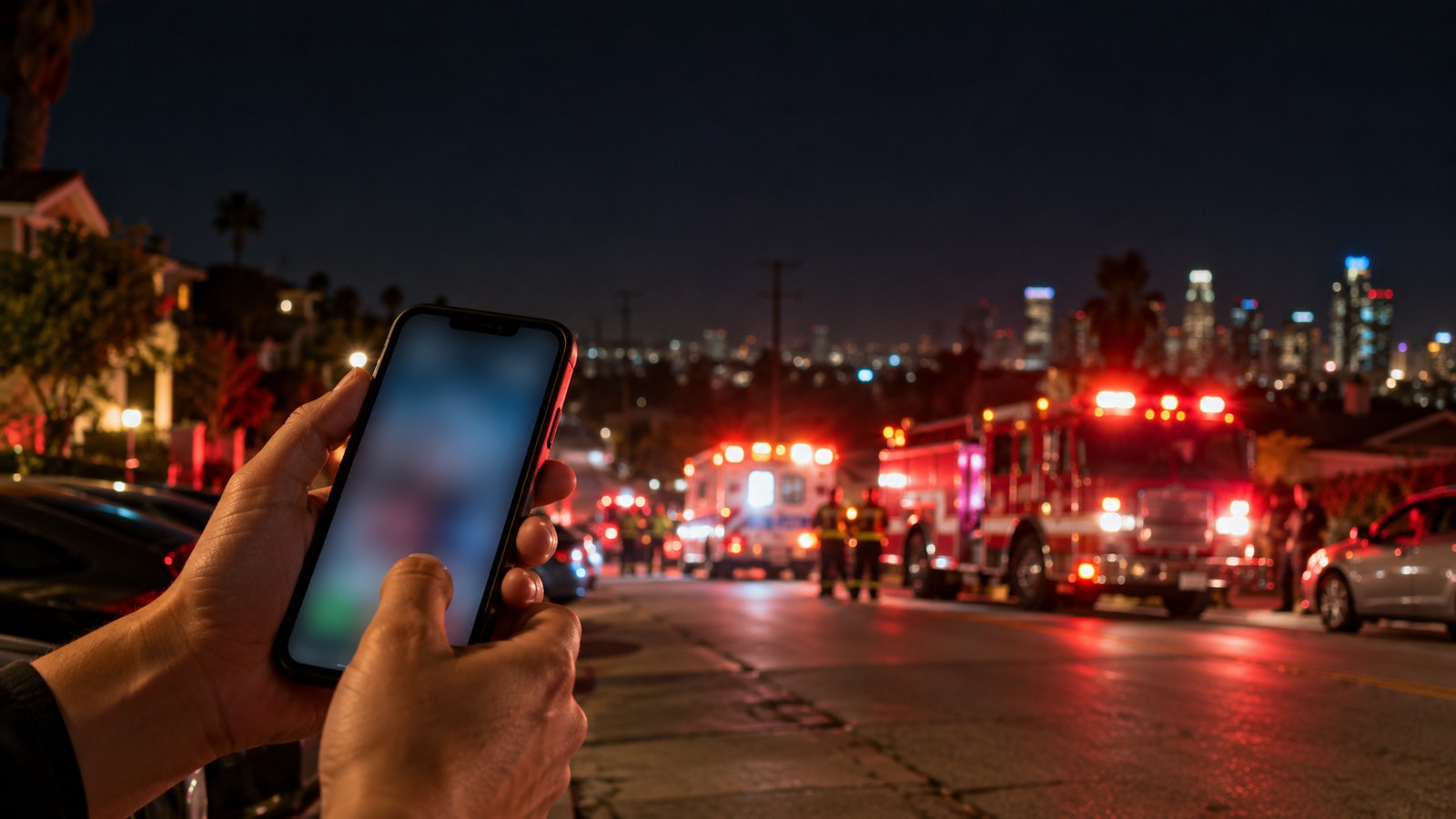
In Brazil, each service has its own: 190 for the Military Police, 192 for SAMU (ambulance), 193 for the fire department, among others. Host Jason Lanzarini jokes about how many numbers a Brazilian has to memorize. In the United States, since the late 1960s, the rule has been a single number nationwide. The call is answered by a dispatcher, who listens to the situation and sends whatever is needed — police, fire, ambulance or all of them at once.
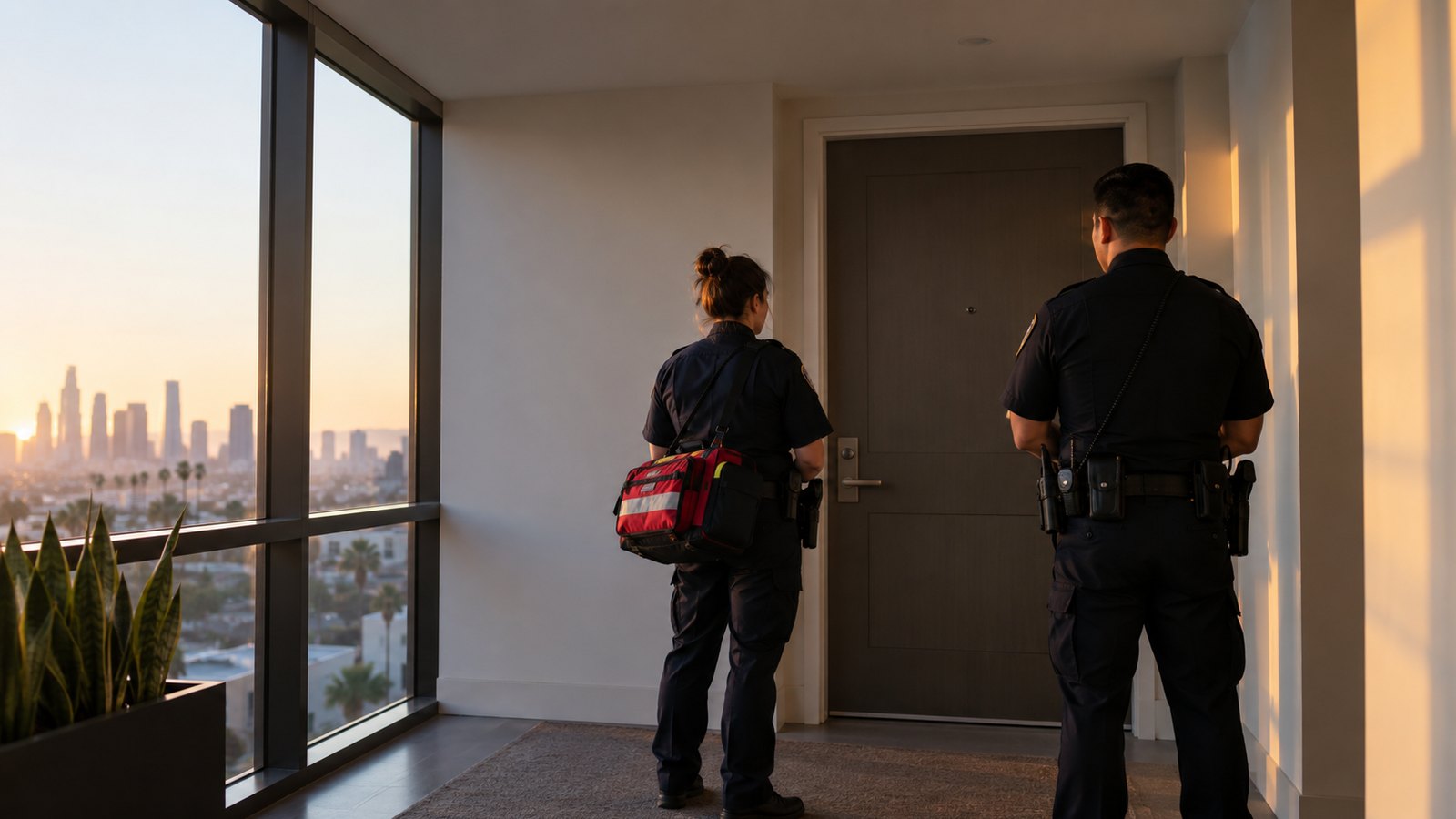
Pastor Miguel Albanês gives the example of the case that opened the segment: when roommates found a friend dead, he told them to call 911, and the ambulance and the police arrived at the same time. A death calls for both — paramedics confirm the death, police file the report — and dispatch sends both at once.
When to call 911
The general rule is to call whenever there is an immediate risk to life or health, or a crime happening right now — including a property crime in progress: someone unconscious or not breathing, chest pain, a crash with injuries, a fire, a gas smell, a home break-in, an assault. If what you're afraid of is the police, say right away what you need — "I need an ambulance" or "I need the fire department" — and dispatch will send medical help. It also applies to hazards on the road. The pastor describes a common situation in Los Angeles that he has seen up close: an object lying in the middle of the freeway. In California, the Highway Patrol (CHP) advises calling 911 to report obstacles and hazards on the highways — which, Jason says, is what was missing the day he blew a tire running over something in the lane.
What happens during the call
The dispatcher will ask questions in an order that seems slow but is deliberate:
- Where the emergency is — full address, or cross streets and a landmark. It's the most important piece of information; if the call drops, that's how help finds you.
- What is happening — in short sentences.
- Who is involved — how many people, whether anyone is hurt, whether there are weapons.
Don't hang up until the dispatcher tells you to. In many cases they give instructions while the crew is on the way — how to do chest compressions, for example. Knowingly calling 911 when there is no emergency can be charged as a misdemeanor in California (Penal Code 653x).
Don't speak English? Ask for an interpreter
Emergency centers in the United States work with over-the-phone interpretation services. Anyone who doesn't feel confident in English can say, right at the start, "Portuguese" — the dispatcher connects an interpreter to the same call. Even so, it's worth practicing two sentences in English beforehand: your home address and "I need an ambulance" or "I need the police."
When you can't speak: text message
In much of California you can already text 911 — but not at every center; if the text can't be delivered, you get a bounce-back message and should call. The official guidance is "call if you can, text if you can't": it's meant for people who are deaf, hard of hearing or speech-impaired, and for situations where speaking out loud is dangerous, such as an intruder in the house or an assault. The first message should include the address and the type of emergency. If the abuser lives with you or has access to your phone, delete the conversation afterward.
Non-emergencies have a different number
A noisy neighbor, a theft that happened days ago, an abandoned car, a request for information: none of that is for 911. Police departments have their own lines for routine calls. In Los Angeles, the LAPD answers at 1-877-ASK-LAPD (1-877-275-5273); in the City of Los Angeles, municipal services such as potholes or piled-up trash go through 311. Outside the city, each police department or sheriff has its own number — it's worth saving it in your phone.
An in-between situation many Brazilians don't know about: if someone who lives alone hasn't answered for days, the family (even from Brazil) can ask the police for a welfare check through the non-emergency line — as happened in one of the cases told in the segment's first episode.
Get your phone ready
Two simple settings help whoever responds to your emergency. On the iPhone, Medical ID (Health app) shows emergency contacts, allergies and medications on the lock screen, without a passcode; Android has an equivalent "Emergency information" feature. Anyone protecting themselves from someone should think twice before leaving emergency contacts visible without a passcode. Teach children to call 911, say the address and "I need help." And if your family is in Brazil, making sure at least one trusted person there has your full home address is what allows them to reach the police here.
What the episode covers
After the basics of 911, the episode returns to the segment's theme — the deaths of Brazilians who live isolated — and moves into prevention: a network of contacts, a primary care doctor, earthquake preparedness and documents. Each of these topics has its own article in this series, here at Brasileiros em Los Angeles.
Listen to the second episode of the segment "911: Emergency in Los Angeles" and save 911, 1-877-ASK-LAPD and 311 in your phone now.
Sources and verification
- Federal Communications Commission (FCC) — 911 and text-to-911.
- California Governor's Office of Emergency Services (Cal OES) — 911 in California and the "call if you can, text if you can't" guidance.
- California Highway Patrol — guidance on reporting emergencies and highway hazards through 911.
- Los Angeles Police Department — non-emergency line (1-877-ASK-LAPD); City of Los Angeles — MyLA311.
- California Penal Code, section 653x — misuse of 911.
Who's talking here: Brasileiros em Los Angeles is the podcast of the Brazilian Community in the Los Angeles area, hosted by Jason Lanzarini, who since 2014 has run the Community's Facebook groups in California. In this second episode of the segment "911: Emergency in Los Angeles," he talks with Pastor Miguel Albanês of the First Brazilian Baptist Church of Los Angeles (PIBBLA), who for years has supported Brazilian families through emergencies and deaths.
Note: the rules described apply to California and, in several points, to Los Angeles County. Procedures differ in other states. This text is general information, not legal or medical advice: for a specific case, consult a professional licensed in California.
Watch this part of the episode:
How the 911 emergency service works in the US and the centralized dispatch (police, fire and ambulance) — starting at 1:00 · ☆ Brasileiros em Los Angeles
This article is a reference edition of episode 2 of the podcast and is subject to edits and editorial additions. For the full conversation, watch the episode. — Updated on 07/10/2026.