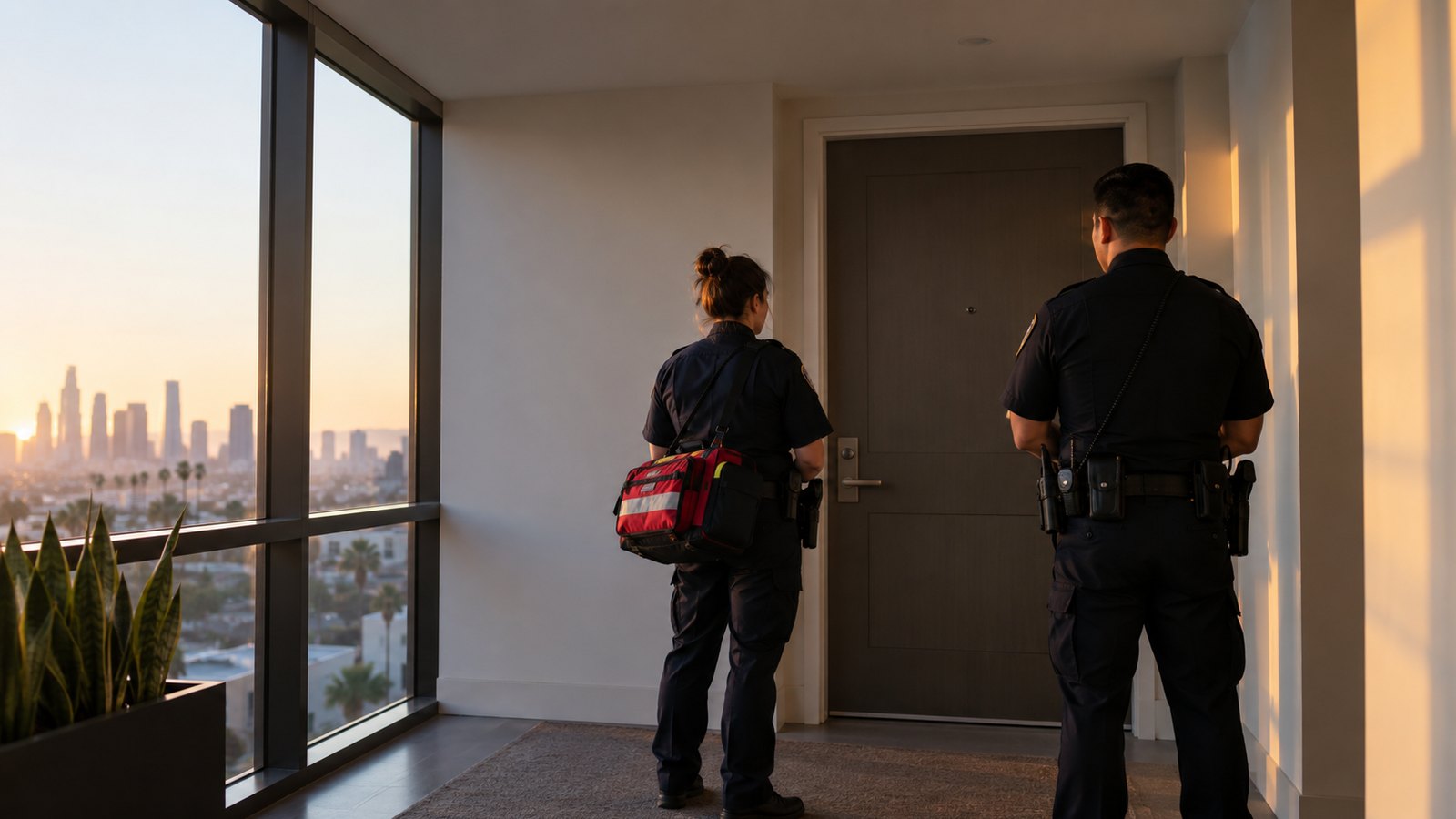


In the cases Pastor Miguel Albanês tells in the segment "911: Emergency in Los Angeles", there is a pattern that keeps repeating. A Brazilian who lived in a rented room dies and days go by without anyone in the house noticing. When someone finally does, nobody has the phone number of the family in Brazil. The solution discussed in the segment's second episode is simple, free and already in everyone's pocket: WhatsApp.
Why isolation is the underlying problem
The pastor describes a common pattern among newcomers. In the United States the culture is more individualistic; many Brazilians like that — far from the "gossip" of family, church and neighborhood — and end up drifting away from everyone. "In Brazil you have a support network, which here you don't. You have to build a support network." Add to that the language barrier, which pushes people toward the Brazilian Community, and a Community that in Los Angeles is spread out and mixed, with people from every Brazilian state, in groups that don't always cross paths.
There is also fear. People who are out of status, the pastor notes, sometimes avoid giving their information to anyone. But what is being asked here is not a document or a work address — it is a relative's phone number.
The idea: two groups, two levels of trust
The proposal Jason and the pastor sketch out during the conversation has two layers:
- Primary group — a few people you trust completely: family in Brazil (parents, siblings, adult children) and one or two people in the United States you would trust to take care of everything. This is where the important information goes: who your doctor is, where your documents are, what insurance you have, what assets you leave.
- Secondary group — more open: housemates, friends from church, soccer, work. No personal information goes here; only the path to the primary group — the names and WhatsApp links of the people who should be notified.
That way, the housemate you met a month ago gets none of your information, but if something happens, they know in seconds whom to call. Putting the word "emergency" in the group's name makes it easier to find with the app's search.
How many people, and where
One point the episode makes a point of stressing: one person is not enough. "What if both of them die in the accident?", the pastor asks about couples who assume each will take care of the other. The suggestion is to have at least two people in the United States and two in Brazil, who don't live at the same address or always travel together — a fire, a car crash or an earthquake can't take out the whole network at once. The person here is the one who will deal with the hospital, the police and the funeral home; the person in Brazil is the bridge to the family.
What to include — and what not to
In the conversation, the two suggest keeping everything in a single, easy-to-find document pinned in the primary group: contacts, doctor, medications, life insurance, bank, car, property. Two important caveats, which the podcast itself makes in later episodes:
- Passwords and account numbers should not circulate in a group, or in a PDF, even a password-protected one. A stolen phone or a hacked account are real risks. For emergency access to passwords there are password managers with that feature, and Google's and Apple's "legacy contact" tools — the subject of another article in this series.
- It is enough to say where the information is: "I have an account at bank X", "the insurance is with company Y, the policy is in the blue folder". Whoever is going to handle things needs to know it exists and where to look — they don't need the password in their pocket.
A shortcut already built into your phone
Besides the groups, the phone itself helps whoever comes to your aid on the street. On the iPhone, the Medical ID in the Health app shows emergency contacts, allergies and medications on the lock screen, without a passcode; on Android, the feature is called "Emergency information". Paramedics in the United States are trained to look for this information.
Churches, groups and the consulate
The pastor says PIBBLA already asks its members for a form with their family's contacts, and that many people push back. He and Jason suggest that churches, clubs and associations — and even the consulate — create something similar, as exists for earthquakes. Until that happens, the network depends on each person.
At the end of the episode, Jason himself admits he had none of this organized and promises to set up both groups — with his children, in Brazil, in the primary one.
Sources and verification
- Apple — Medical ID in the Health app (emergency contacts on the lock screen); Google — Emergency information on Android.
- Ready.gov (FEMA) — guidance on family emergency communication plans, with out-of-area contacts.
- The proposal of primary and secondary groups was formulated by Jason Lanzarini and Pastor Miguel Albanês in the episode and taken up again in the segment's following episodes.
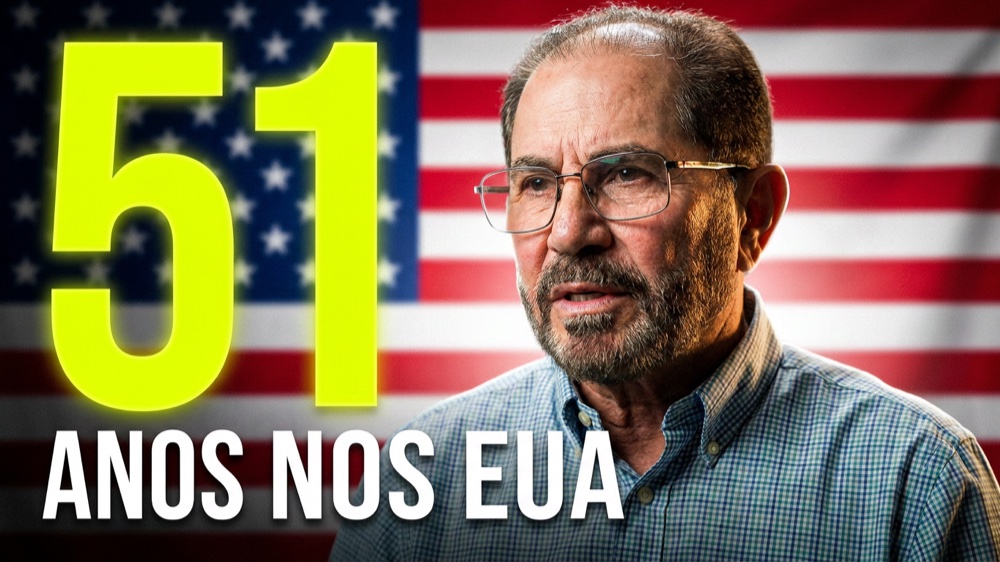
Who is speaking here: Brasileiros em Los Angeles is the podcast of the Brazilian Community in the Los Angeles area, hosted by Jason Lanzarini, who since 2014 has run the Community's Facebook groups in California. In this second episode of the segment "911: Emergency in Los Angeles", he talks with Pastor Miguel Albanês of the First Brazilian Baptist Church of Los Angeles (PIBBLA), who for years has supported Brazilian families through emergencies and deaths.
Please note: the rules described apply to California and, on several points, to Los Angeles County. Procedures change in other states. This text is general information, not legal or medical advice: for a specific case, consult a professional licensed in California.
Watch this part of the episode:
Practical tip: create emergency WhatsApp groups (primary and secondary) with family members and close friends — starting at 23:07 · ☆ Brasileiros em Los Angeles
This article is a reference edition of episode 2 of the podcast and is subject to edits and editorial additions. For the full conversation, watch the episode. — Updated on 07/10/2026.