When a family member dies far from home, many Brazilians' first reaction is to call the consulate. It's a good instinct — but anyone who expects the consulate to take care of the body, the hospital and the funeral home ends up frustrated. The third episode of the "911: Emergency in Los Angeles" segment draws a clear line between what is the job of the Brazilian consulate and what stays with the family, based on Pastor Miguel Albanês's experience with the case of a friend.
What the consulate doesn't do
The pastor's summary is blunt: the consulate does not deal with the hospital, the funeral home, cremation or repatriation, and it does not pay for any of it. That falls to the family, or to whoever holds a power of attorney from them. "You're the one who's going to do it, or your relative." The guests on the first episode of the series had already touched on this: a lot of people expect the consulate to step in, and that is simply not its role.
This isn't a lack of goodwill. A consulate provides Brazilian services — documents, civil records, protection of its citizens — and cannot carry out acts that belong to American institutions. The pastor makes a point of praising the service at the Los Angeles consulate: he booked an appointment, was received with care, and his friend's sister, who flew in from Brazil, was also assisted.
What the consulate does
- Registering the death. With the American death certificate, the consulate registers the death of the Brazilian citizen, and that record is later transcribed at a registry office (cartório) in Brazil. This is the record the family uses for probate, survivor pensions, closing accounts and cancelling benefits.
- Powers of attorney for use in Brazil and other Brazilian notarial acts — for example, so that someone in Brazil can represent the heirs.
- Help locating relatives when the family is unknown, using Brazilian records — though there's no 24-hour line for that, the pastor notes.
- Guidance on documents and, in Los Angeles, a free legal assistance program with volunteer attorneys, the subject of another episode of the segment.
The pastor recommends always notifying the consulate so it can follow the case, and says the ideal would be for someone from the consulate to explain all this on the podcast — rules and people change from time to time, because the diplomatic staff rotates.
The notary: America's version of "reconhecimento de firma"
In his friend's case, her sister signed a power of attorney so the pastor could handle the pending matters in the United States — in English, prepared by a Brazilian accountant. For it to be valid, the signature had to be acknowledged by a notary public. The American notary is not a full-service registry office like the Brazilian cartório: the notary checks the identity of the signer and attests that the signature belongs to that person. In California, the law caps what a notary can charge per signature (currently US$ 15), and notaries may not give legal advice. You'll find notaries at banks, shipping and mailbox stores and membership associations — the pastor used the one at AAA, which serves its members.
For that English-language document, meant to be used in the United States, the consulate isn't the right place — it's an American document.
The apostille: how a California document becomes valid in Brazil
When there's an inheritance in Brazil, the American death certificate has to be valid there. The way to do that is the Hague Apostille, an international certification established by a convention that both Brazil and the United States are party to — the pastor compares it to the process people go through to get Italian citizenship. Since Brazil joined the convention in 2016, American documents no longer need to be legalized at the consulate: the apostille, issued by the competent American authority, is enough. For a certificate issued in California, that authority is the California Secretary of State, which apostilles the state's public documents upon request and payment of a fee. Then, in Brazil, the foreign document will usually need a sworn translation.
Certificates: order more than one
In the case he followed, the pastor requested six certified copies of the death certificate: the family took some to Brazil (INSS, the bank, probate) and he kept two for the matters here. "Better to have too many than too few." In California, copies are ordered through the funeral home or the county's vital records office. And if the person was receiving a retirement or survivor pension from Brazil's INSS, the death must be reported: payments made after the death have to be returned.
Registering with the consulate helps before an emergency
In the first episode of the series, the pastor and Jason Lanzarini talk about consular registration (matrícula consular) and keeping your information on file with the consulate. Keeping that record up to date, with contacts for your family in Brazil, gives the consulate somewhere to start if something happens.
According to the guests, the Los Angeles consulate serves Southern California and neighboring states; the northern part of the state falls under the consulate in San Francisco. Check the Itamaraty website to see which one is yours.
Sources and verification
- Brazil's Ministry of Foreign Affairs (Itamaraty) — consular services: death registration, powers of attorney and notarial acts; Consulate General of Brazil in Los Angeles and in San Francisco (jurisdictions).
- Hague Apostille Convention — in force in Brazil since August 2016; Brazil's National Council of Justice (CNJ) — apostille rules.
- California Secretary of State — issuance of apostilles for California public documents.
- California Government Code, section 8211 — maximum notary public fees in California.
- Brazil's National Social Security Institute (INSS) — reporting the death of a beneficiary.
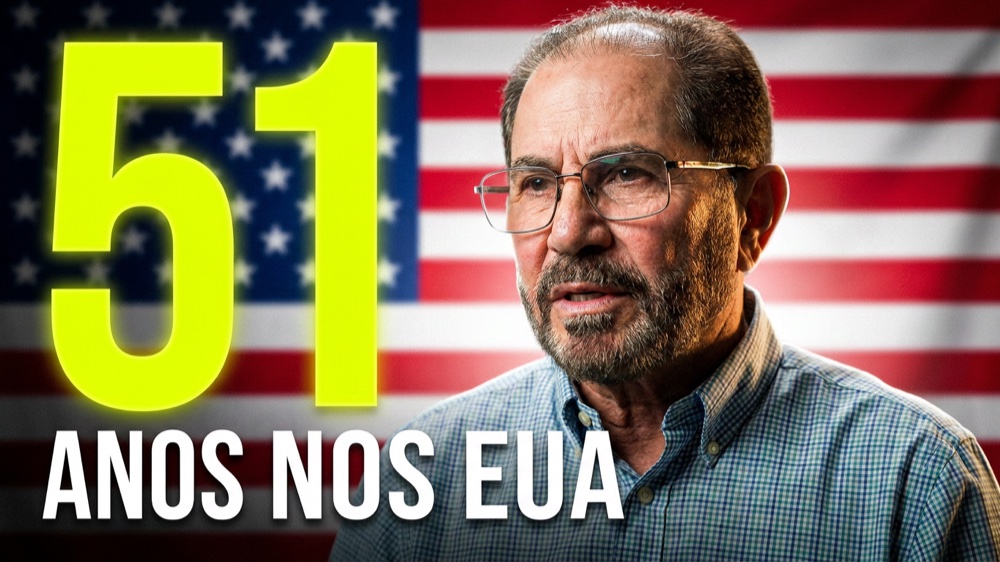
Who's speaking here: Brasileiros em Los Angeles is the podcast of the Brazilian Community in the Los Angeles area, hosted by Jason Lanzarini, who since 2014 has run the Community's Facebook groups in California. This is the third and final episode of the series on the deaths of Brazilians in the "911: Emergency in Los Angeles" segment, with Pastor Miguel Albanês of the First Brazilian Baptist Church of Los Angeles (PIBBLA), who has walked alongside families in these cases for years.
Note: the rules described apply to California and, in several respects, to Los Angeles County; consular procedures and airline requirements change over time. This text is general information, not legal advice: for a specific case, consult a professional licensed in California and confirm the rules with the consulate.
Watch this part of the episode:
What is — and isn't — the Brazilian Consulate's job — starting at 9:58 · ☆ Brasileiros em Los Angeles
This article is a reference edition of episode 3 of the podcast and is subject to edits and editorial additions. For the full conversation, watch the episode. — Updated on 07/10/2026.