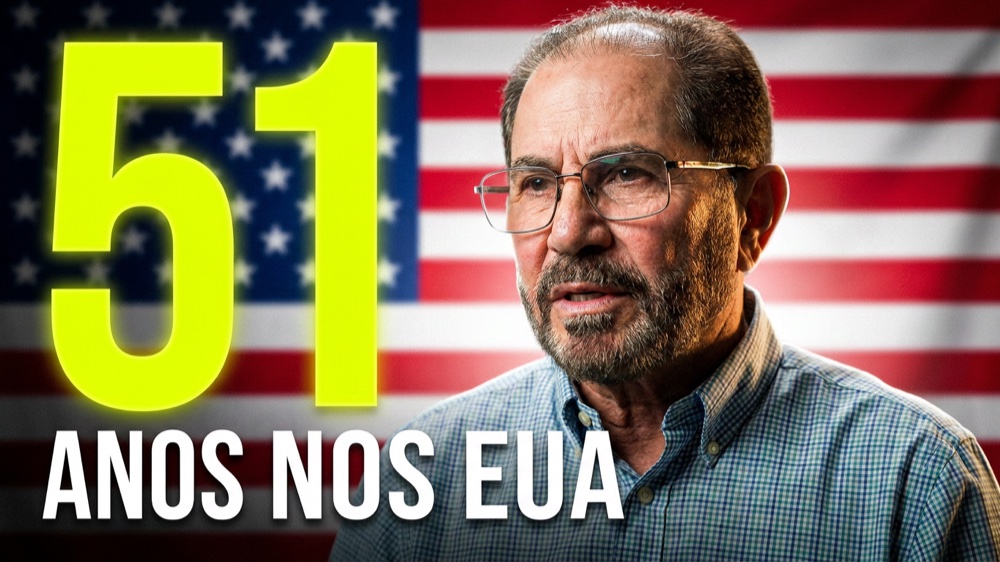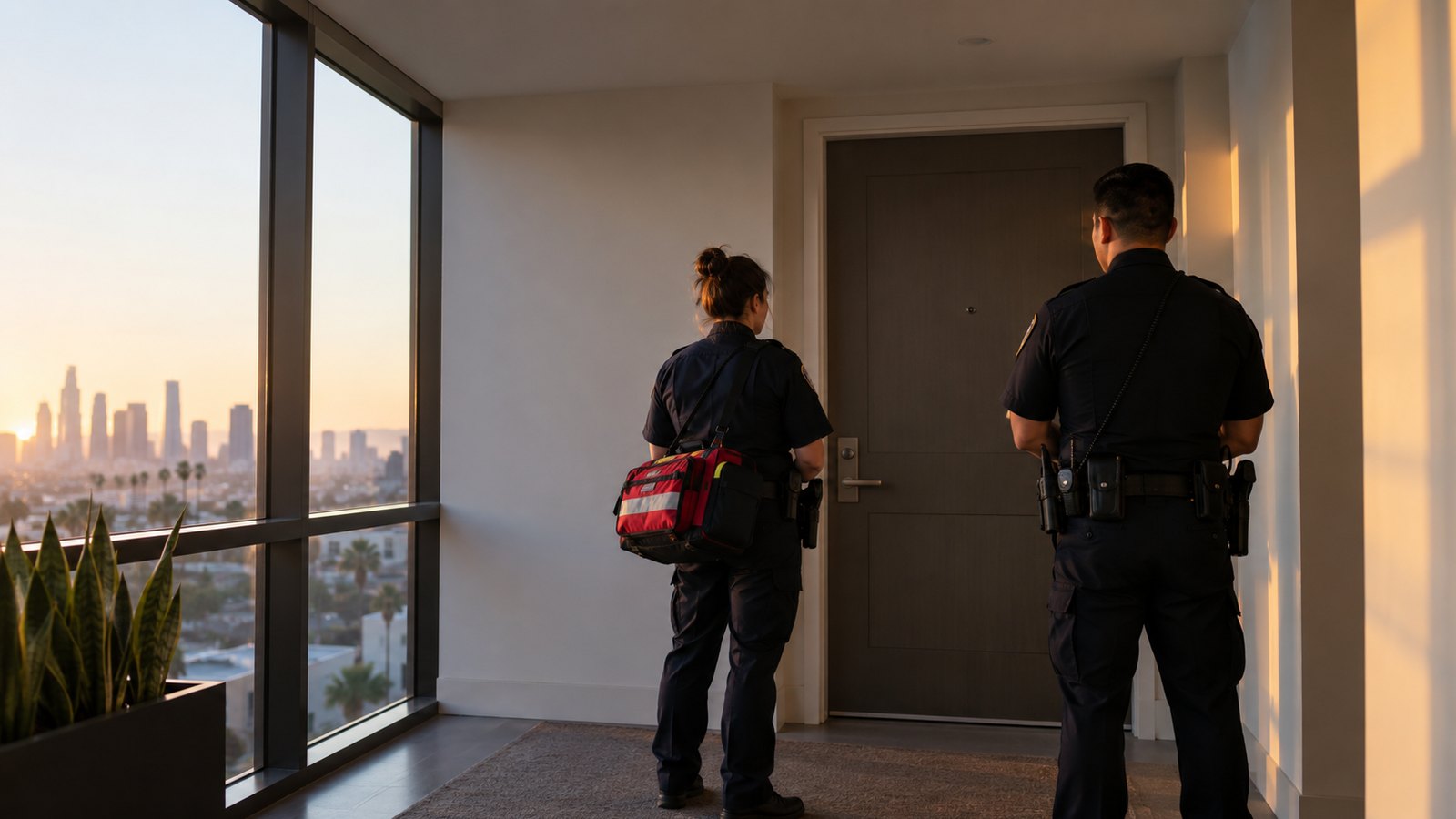

"When a person dies, they think the problems are over. That's when the real problems begin — not for them, but for those left behind." That is how Pastor Miguel Albanês opens the last segment of the second episode of the series "911: Emergência em Los Angeles" (911: Emergency in Los Angeles): why you should document everything. And, between inheritance, real estate and insurance, he touches on a subject almost nobody prepares for — who takes care of the children.
"I am the caretaker of her son"
The pastor says a married friend left a signed, notarized document naming him responsible for her son if she and her husband die, until the boy turns 18. He made the same arrangement for his own family with a couple of friends. The reason, he says, is to avoid a dispute: "You die, the family back in Brazil says 'now we want to take our little grandson,' and he doesn't want to go." If it isn't on paper, a judge decides — without knowing what you wanted. The document does not transfer custody by itself — it tells the judge whom the parents chose.
What California law provides
The pastor speaks from what he has seen working with families; the legal information below was checked against the sources listed at the end.
Three instruments help put this on paper in a way the law recognizes:
- Nomination of a guardian by the parents. The California Probate Code allows parents to name, in writing, whom they want as guardian of their minor children (Probate Code, sections 1500 to 1502). The nomination can be in a will or in a separate signed document. If the parents die, the court appoints the guardian — and the court usually follows the parents' choice, but decides based on the best interest of the child. That is what the pastor has. If one parent survives, the child normally stays with that parent — the nomination applies when neither can care for the child anymore.
- Court guardianship. When there is no nomination, or when custody needs to be formalized, any interested adult can petition the county probate court for guardianship. California courts have free forms and self-help centers for this. It is a family matter in probate court — not a criminal case.
- Caregiver's Authorization Affidavit. This is for the short term: it allows a qualified relative to enroll the child in school and authorize medical care; a non-relative adult can only handle enrollment and school-related care, with no court process (Family Code, section 6550). It does not replace guardianship, but it handles the routine while guardianship is being sorted out.
The pastor notes that the same reasoning applies to an adult who is ill or has a disability and depends on someone: for an adult, the path is a different document — the subject of another article in this series.
Inheritance, insurance and real estate: what needs to be in writing
The rest of the segment is about assets. If a person has money in the bank, life insurance or a property in California, the family needs to know it exists and where the paperwork is. The pastor says he keeps one folder at home with all his personal documents and another with the insurance policies, and his wife knows where they are. Wills, trusts and the probate process in California are the subject of other articles in this series.
Where to keep the documents
The conversation ends on a practical point: what if the house catches fire, or everyone dies together?
- A fireproof and waterproof box at home for the originals — passport, green card or naturalization certificate, birth and marriage certificates, car and property titles, insurance policies.
- A bank safe deposit box is another option, with a caveat the episode raises: someone needs to know the box exists, at which bank, and have access to the key. In California, after a death, the law allows the person who holds the key to open the box, in the presence of a bank employee, to look for a will and burial instructions — the opening is only for that search — nothing else may be removed from the box at that time.
- Copies outside the home: photos or digital copies of the documents with a trusted person — so the family "has somewhere to start" even if the originals are lost. For anyone in a risky situation at home, the copy held by a trusted person is the most important part.
- Car title (the pink slip): a photo, plus whether the car is paid off or financed.
Documents you use every day, like your driver's license, stay with you; what goes in the box is the original that almost never leaves the house, plus a copy of each one.
What is discussed in the episode
At the end, Jason admits he has none of this organized — not even the emergency group — and agrees with the pastor to do an episode showing, live, how to put together the document with the information for the family. The third episode of the series brings the complete checklist.
The second episode of the series "911: Emergência em Los Angeles" is on the Brasileiros em Los Angeles podcast — follow the podcast to catch the next one.
Sources and verification
- California Probate Code, sections 1500 to 1502 — nomination of a guardian by the parents; sections 1510 et seq. — petition for guardianship.
- California Family Code, section 6550 — Caregiver's Authorization Affidavit.
- California Courts, Self-Help Guide — guardianship of minors and forms (GC-210 and others).
- California Probate Code, section 331 — access to a deceased person's safe deposit box by the key holder.
- The guardianship arrangement mentioned is Pastor Miguel Albanês's account in the episode.
Who is speaking here: Brasileiros em Los Angeles is the podcast of the Brazilian Community in the Los Angeles area, hosted by Jason Lanzarini, who since 2014 has run the Community's Facebook groups in California. In this second episode of the series "911: Emergência em Los Angeles," he talks with Pastor Miguel Albanês of the First Brazilian Baptist Church of Los Angeles (PIBBLA), who for years has supported Brazilian families through emergencies and deaths.
Note: the rules described apply to California and, in several respects, to Los Angeles County. Procedures differ in other states. This text is general information, not legal or medical advice: for a specific case, consult a professional licensed in California.
Watch this part of the episode:
Why document everything: Inheritance, property, life insurance and the guardianship of minor children — starting at 41:55 · ☆ Brasileiros em Los Angeles
This article is a reference edition of episode 2 of the podcast and is subject to edits and editorial additions. For the full conversation, watch the episode. — Updated on 07/10/2026.