
In the United States, becoming a paramedic means a college-level program — two years of training, with real clinical simulation. In Brazil, the same title circulates through weekend courses. The difference isn't about vocation or dedication: one country has a law regulating the profession, and the other doesn't.
An American born in Brazil, trained as a military paramedic
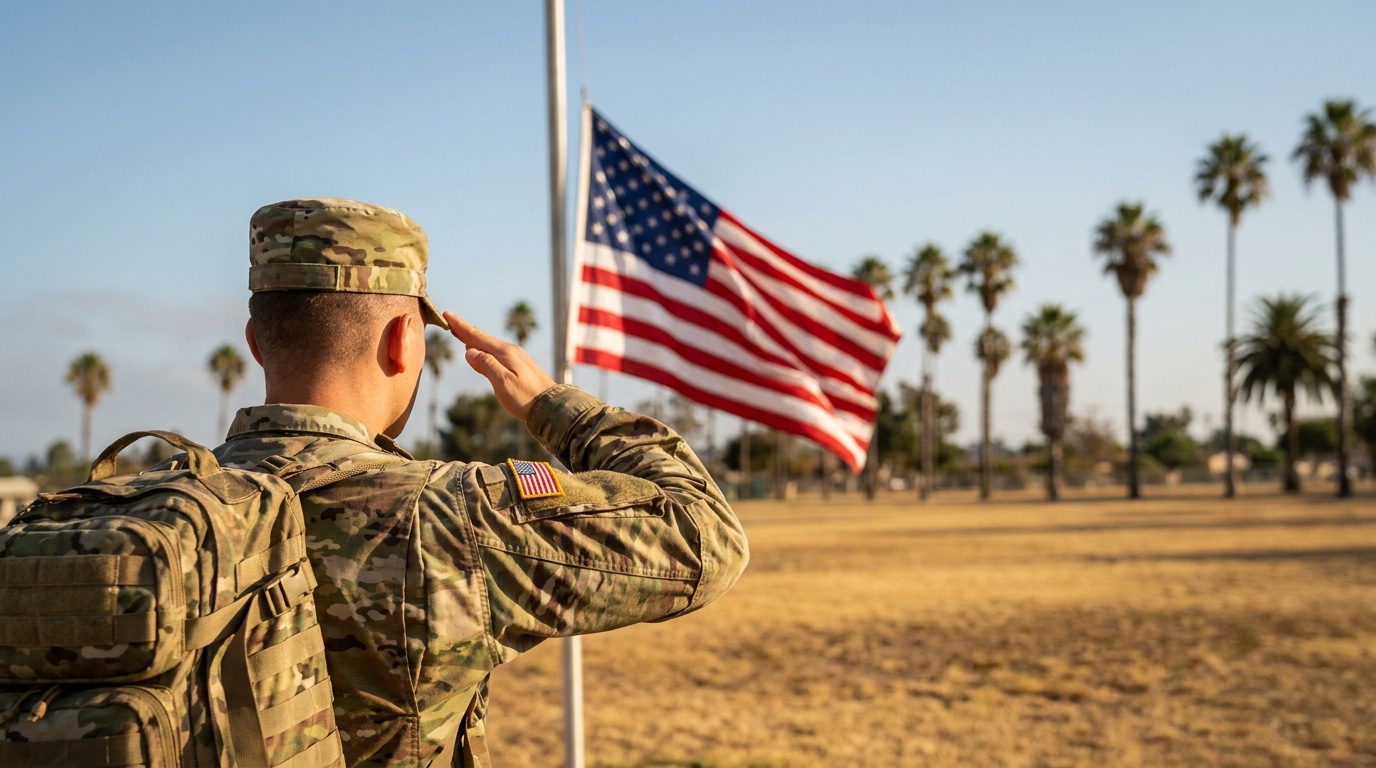
Marcelo Bini was born in the United States but grew up in Brazil — Minas Gerais, Bahia, Espírito Santo — before returning to enlist in the U.S. Army in 2008. Without fully knowing what he was choosing, he picked the combat medic specialty — not the airborne-qualified option, which was offered for a different specialty he didn't choose. The technical training starts with a civilian emergency medical technician course — the same exam any American takes to work as a paramedic outside the Army — and only afterward comes the layer of military medicine.
It's this dual background — raised Brazilian, trained as a paramedic in the United States — that gave the conversation a rare contrast: someone inside both systems, comparing one against the other with no middle ground.
The profession missing from Brazil's official occupation registry
"Because you don't have the paramedic profession in Brazil," Bini summed up during the episode. "Actually, you don't even have the profession of 'socorrista' [emergency responder] in Brazil — it isn't recognized." The claim checks out: neither "paramedicine" nor "socorrista" appears as a regulated profession in any federal council resolution, nor in the Brazilian Ministry of Labor's official occupation registry (CBO). Anyone legally working in prehospital care in Brazil is always classified under another, already-recognized category: physician, nurse, nursing technician or assistant, ambulance driver, or military/civilian firefighter.
"SAMU in Brazil isn't run by firefighters. I've got the ambulance driver, the SAMU physician, the dispatch physician, the nursing technician, the nurse. Each of those is its own individual profession — but 'socorrista' isn't a profession, you can't call it that."
Technical standards exist — the profession just doesn't
That doesn't mean a total legal vacuum. Since 2002, Ordinance 2.048 from Brazil's Ministry of Health has set the technical standards for emergency care, defining roles within SAMU and rescue operations. And there is, today, a bill moving through Brazil's National Congress specifically to regulate the profession of ambulance driver/emergency response driver — a sign that the gap is recognized, even if not yet closed. What still doesn't exist is a broad law, equivalent to the American one, that credentials "paramedic" or "socorrista" as its own professional category, with a minimum curriculum, a licensing exam, and a professional board.
In the U.S., two years of college — and the patient knows exactly what level of care they're getting
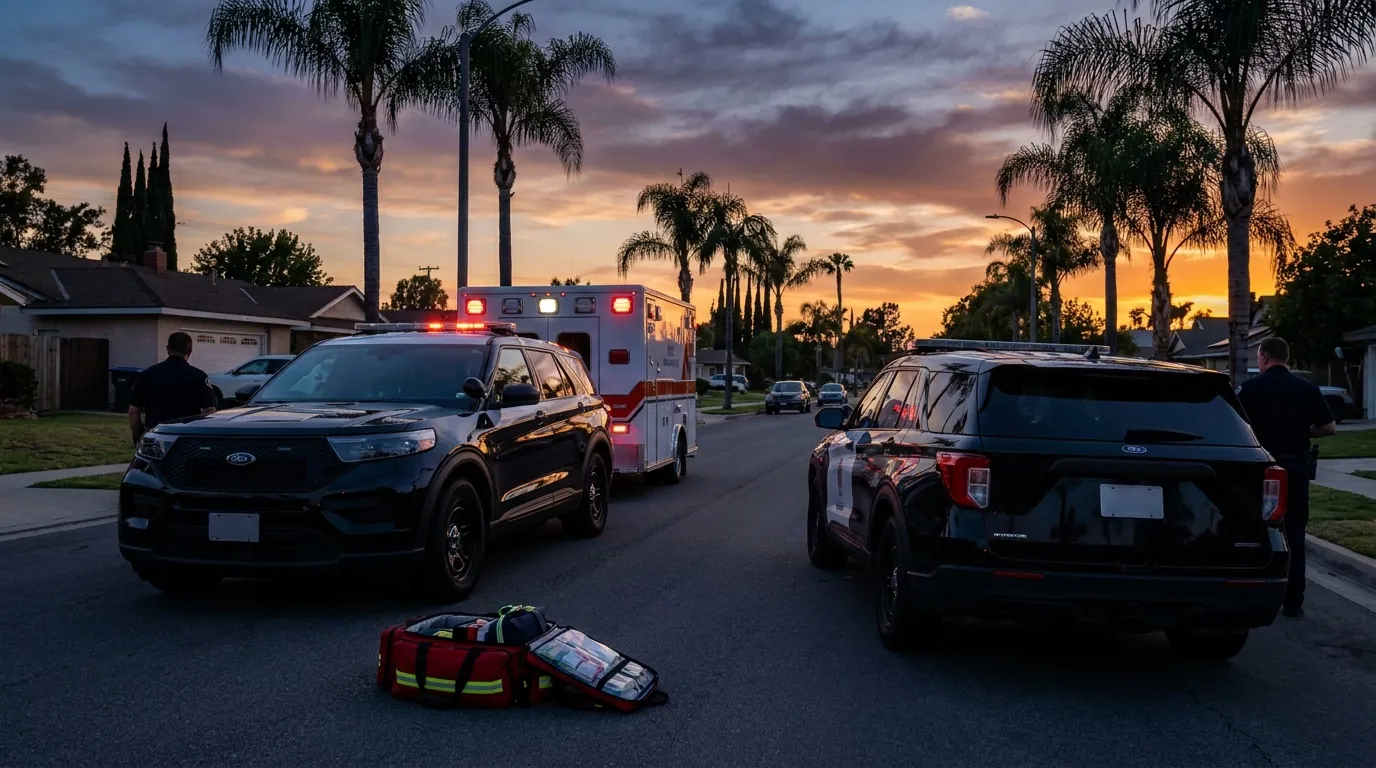
In the United States, the path is tiered and measurable: first EMT-Basic (emergency medical technician, a short course, usually a few weeks, that already qualifies someone for basic care), then Paramedic — a roughly two-year college program with advanced clinical simulation, pharmacology, and supervised invasive procedures. That's the missing rung in Brazil: there's no official equivalent ladder, so the market invents its own — including weekend courses that borrow the title without the matching training.
"Except they sell 'socorrista' courses on weekends... the guy walks out calling himself a 'medic,' says he's a combat medic, puts 'doctor' in his Instagram bio."
The criticism isn't just about semantics. Without a law regulating the profession, there's also no budget or mandatory structure to train professionals over two years — and the result, according to Bini, is that Brazil ends up with "brilliant professionals" who work "miracles" on traffic trauma and gunshot wounds, but for minimum pay and with no formal recognition of the category they actually work in.
Who's speaking here: Eliel Teixeira and Edwin Wu are active-duty police officers in the Los Angeles, California area — Brazilian-born, U.S. citizens, with long careers in law enforcement. On Palavrão Tático, they talk cop-to-cop and to enthusiasts, with no translation into civilian language.
Note: everything described here applies to California rules — and, on several points, to each of their specific departments. In other U.S. states (Texas, Florida, New York…) the rules can be quite different.
Watch this part of the episode:
U.S. paramedicine vs. Brazil's "socorrista" (approximate excerpt) — starting at 15:50 · Palavrão Tático
This article is a reference edition of episode 43 of Palavrão Tático and is subject to edits and editorial additions. For the full conversation, watch the episode. — Updated on 16/08/2026.