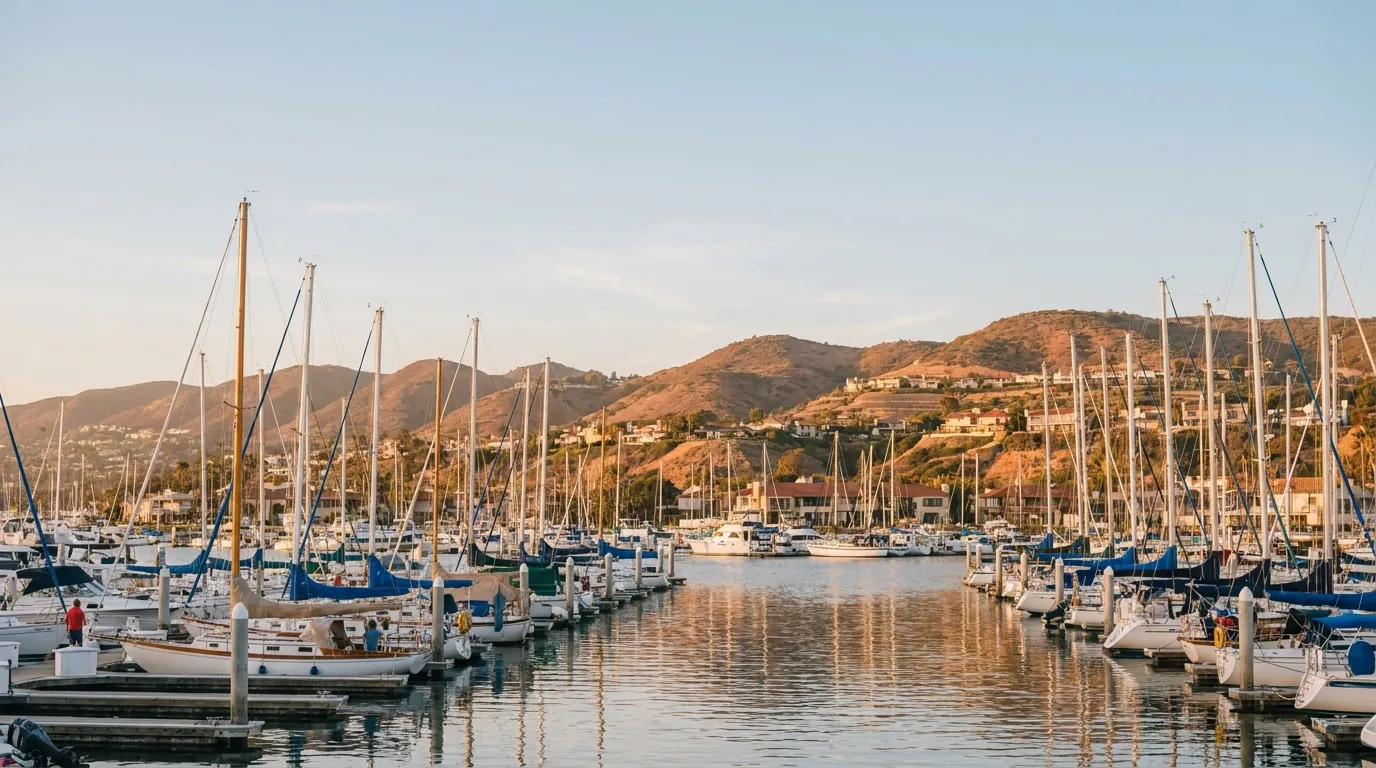
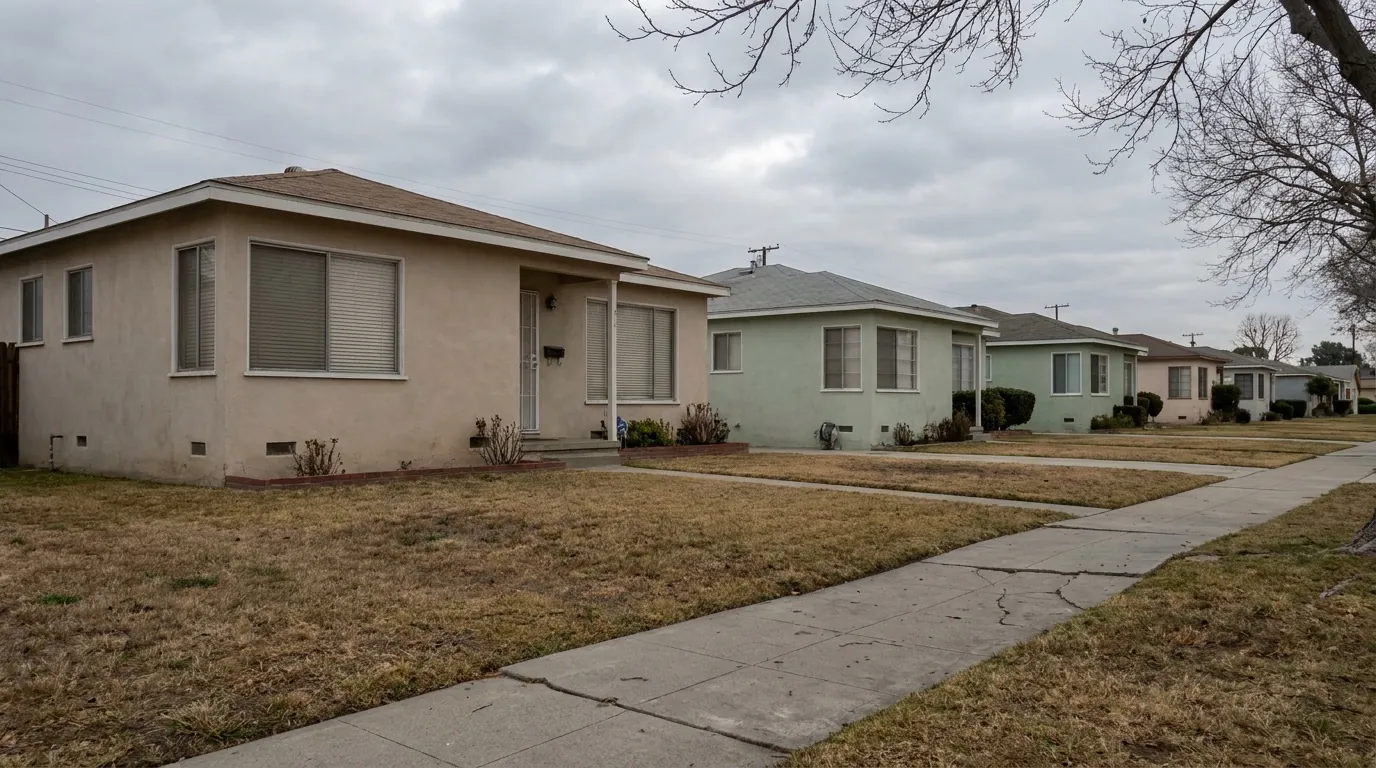
 Orange County Beaches, CA
The topics of each episode, written for you to read at your own pace.
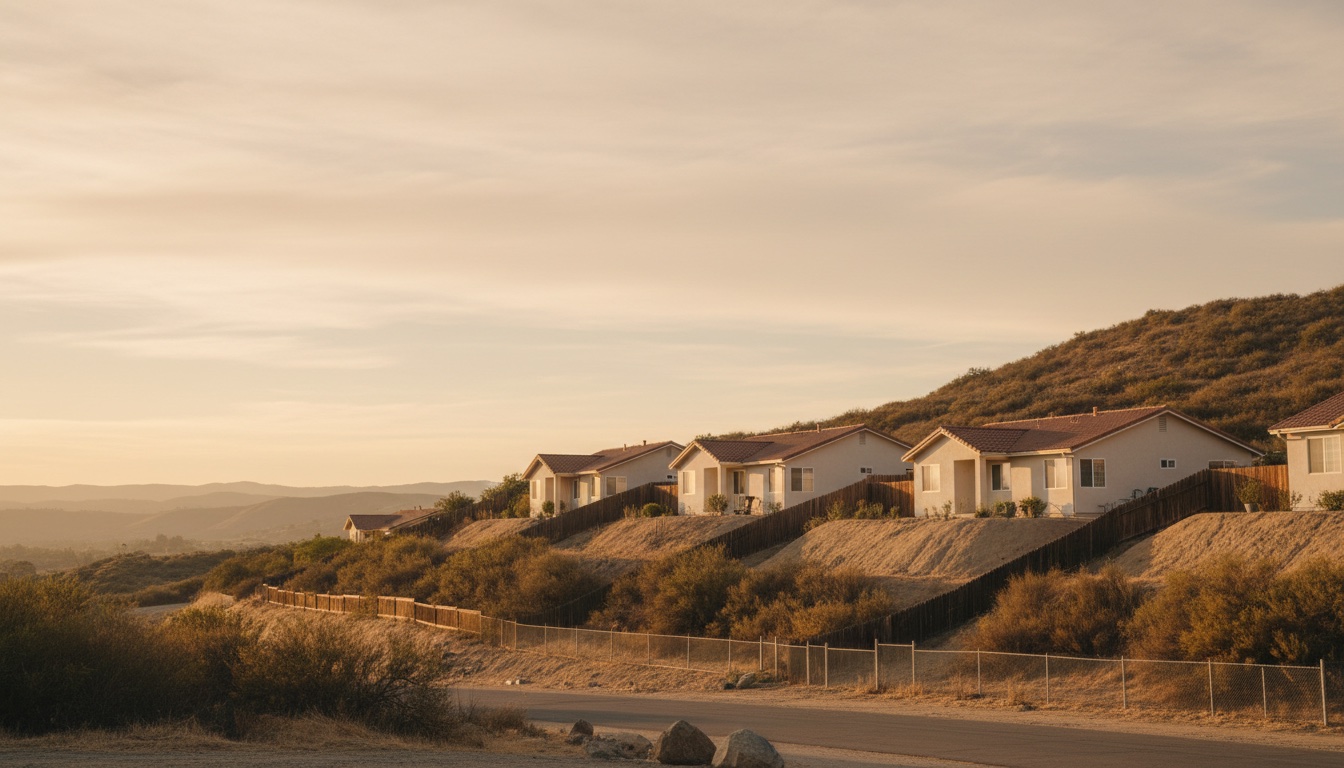 Rules & Permits
Before closing, the seller is required to disclose whether the house sits in one of the six hazard zones mapped by the state. In the California of 2026, that paper stopped being paperwork: it sets the price of insurance — and, at some addresses, whether the financing happens at all.
 Rules & Permits
An old leak, a fight with the neighbor, unpermitted work, a death on the property. California law requires the seller to answer in writing — and whoever hides a known defect answers for the loss after the sale.
 Maintenance & Inspection
The report arrived with a list. From it, the buyer can renegotiate the price, ask for a credit at closing, demand the repair — or leave the deal with the deposit back. The seller, by contract, is not required to respond at all.
 Episode 18 · Part 2 of 10
In California there is no verbal offer. If you like the house, you sign a contract with dozens of clauses covering price, deadlines and conditions — and if the seller signs it back, what is closed is the contract, not the purchase.
 Episode 18 · Part 9 of 10
The pre-qualification letter is good for about 60 days, but the real approval only comes at the end. The bank pulls your credit again on the eve of closing — and a new debt in that window sinks the loan that already looked guaranteed.
 Episode 18 · Part 4 of 10
You offered $1 million, and the bank's appraiser said the house is worth $800,000. The lender finances the lower of the two — and the $200,000 gap has to come from somewhere.
 Episode 18 · Part 10 of 10
In Costa Mesa, six offers on the same house — and the highest one wasn't his. What settled it was a timeline: closing in 10 days instead of the usual 30, backed by a lender willing to pick up the phone when the other agent called.
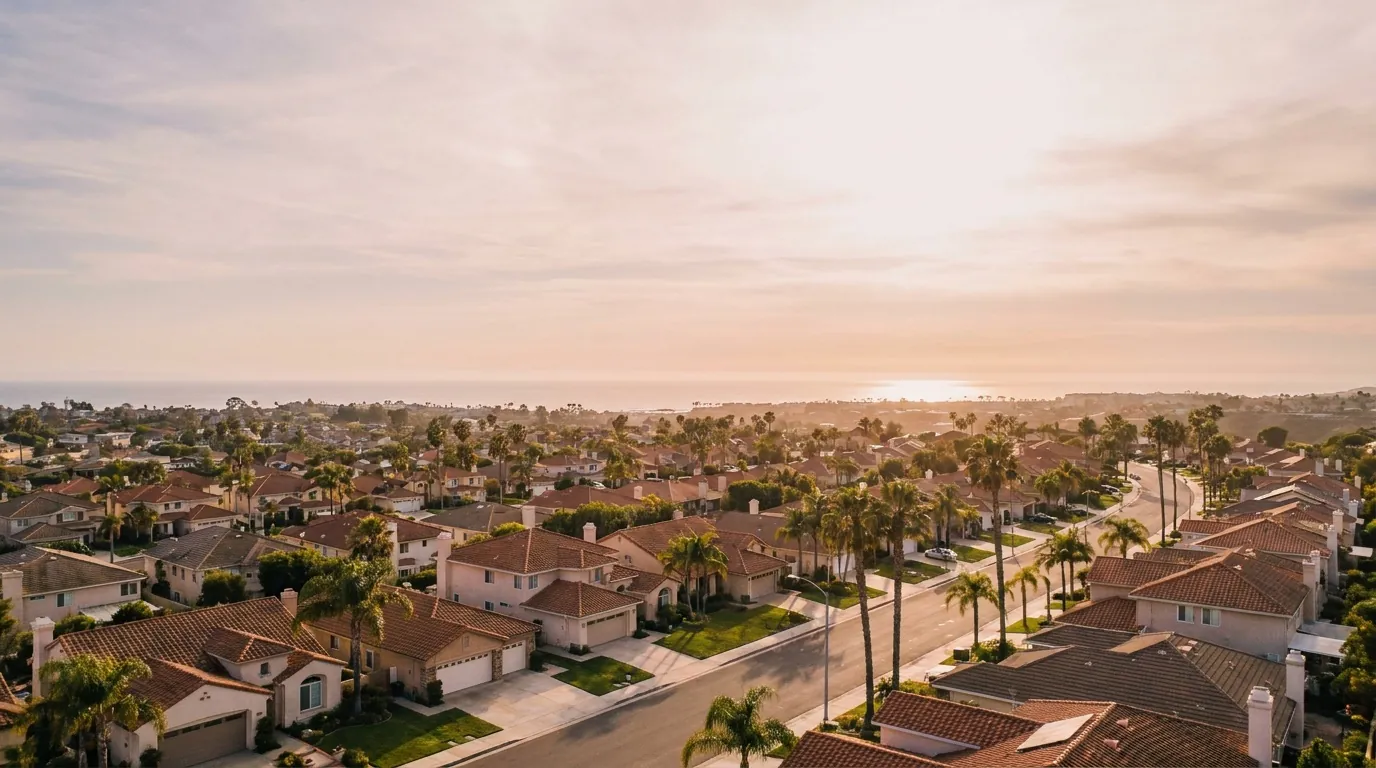 Episode 17 · Part 1 of 7
The math is real: US$100,000 in 1986 became about US$600,000 today, on the national average. But it is nominal, it is a national average and it ignores the cost of owning. Opened up, the gain is different — and still good.
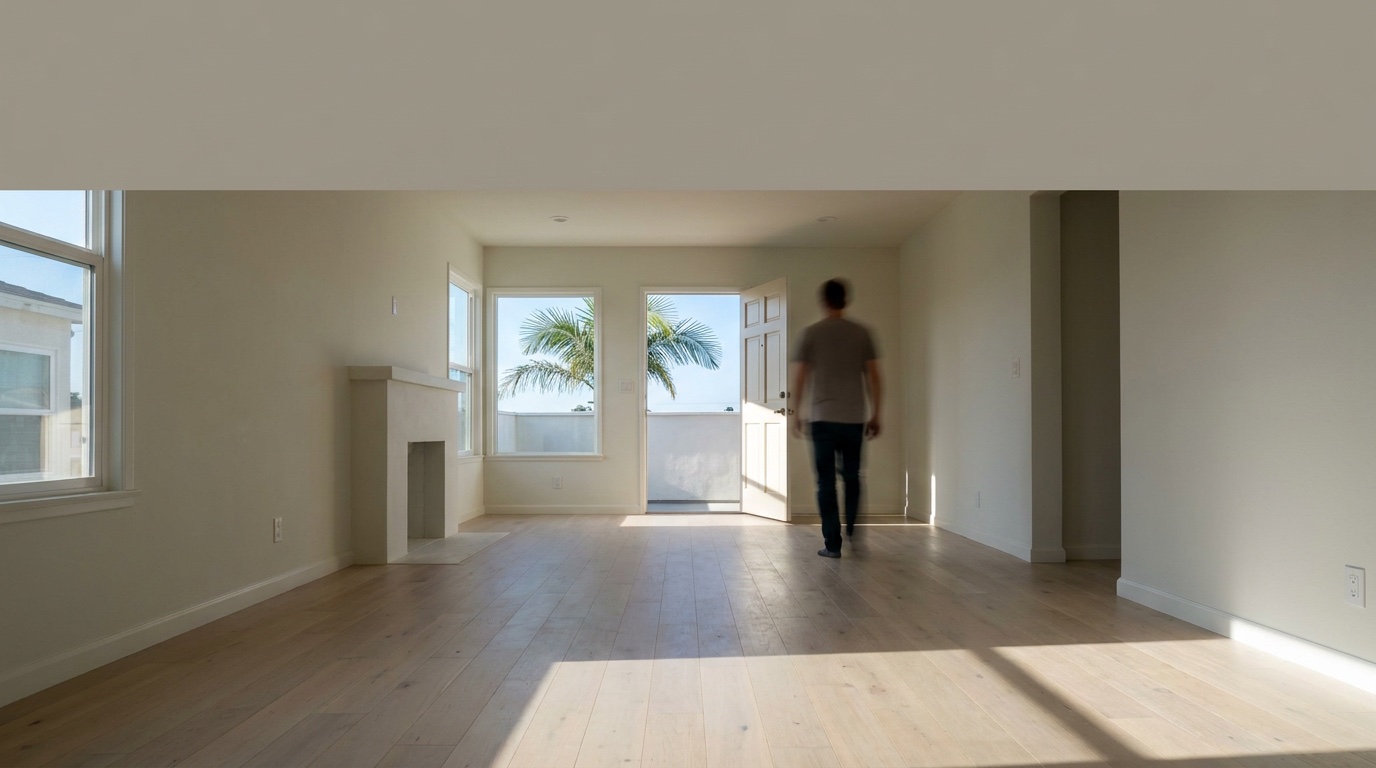 Episode 17 · Part 3 of 7
In Orange County, a good home goes into contract within days — and the same indicator that reveals it exposes the property listed above its price. What the metric actually measures, why sources diverge and how it changes your offer.
Episode 18 · Part 8 of 10
Before closing, the seller is required to disclose whether the house sits in one of the six hazard zones mapped by the state. In the California of 2026, that paper stopped being paperwork: it sets the price of insurance — and, at some addresses, whether the financing happens at all.
Episode 18 · Part 7 of 10
An old leak, a fight with the neighbor, unpermitted work, a death on the property. California law requires the seller to answer in writing — and whoever hides a known defect answers for the loss after the sale.
Episode 18 · Part 6 of 10
The report arrived with a list. From it, the buyer can renegotiate the price, ask for a credit at closing, demand the repair — or leave the deal with the deposit back. The seller, by contract, is not required to respond at all.
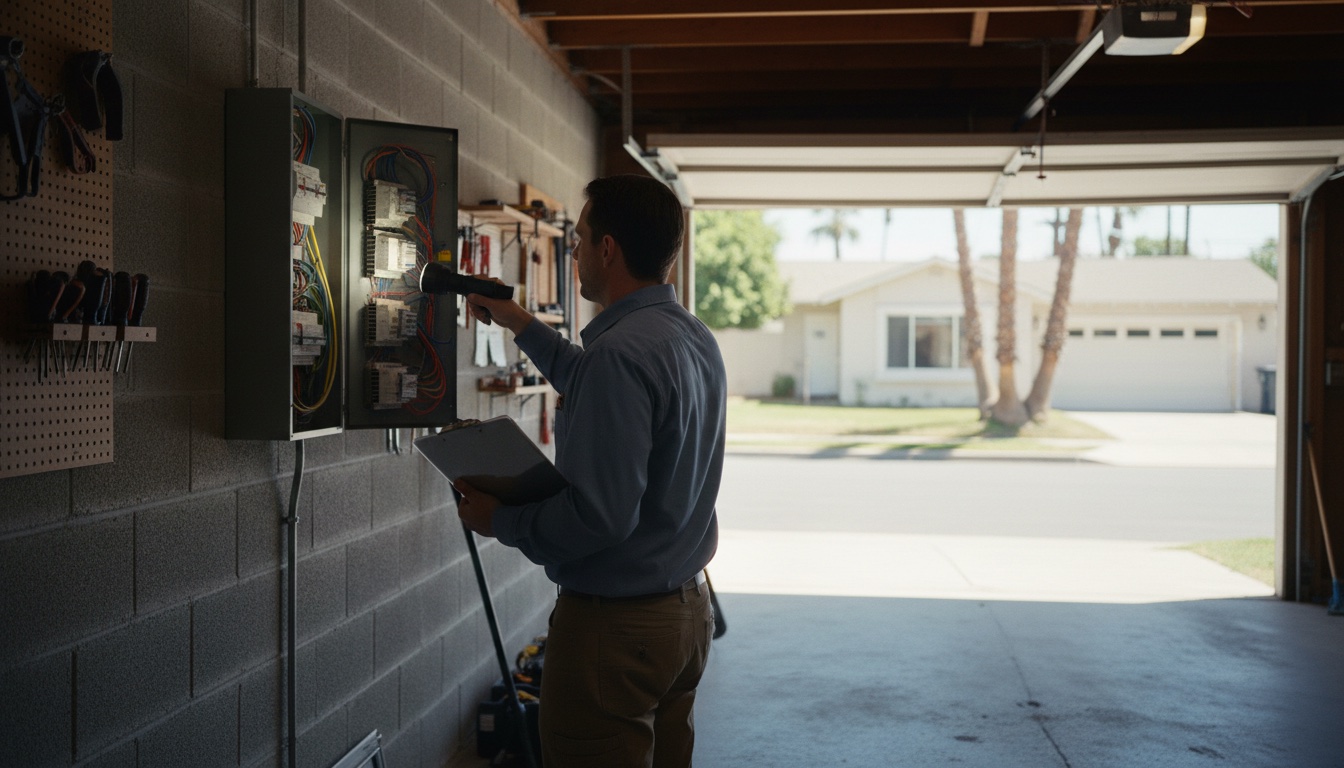 Episode 18 · Part 5 of 10
Seventeen days as the standard deadline, a few hundred dollars and a report that runs past 90 pages. It isn't required by law — and it's done in practically every purchase, for a very concrete reason.