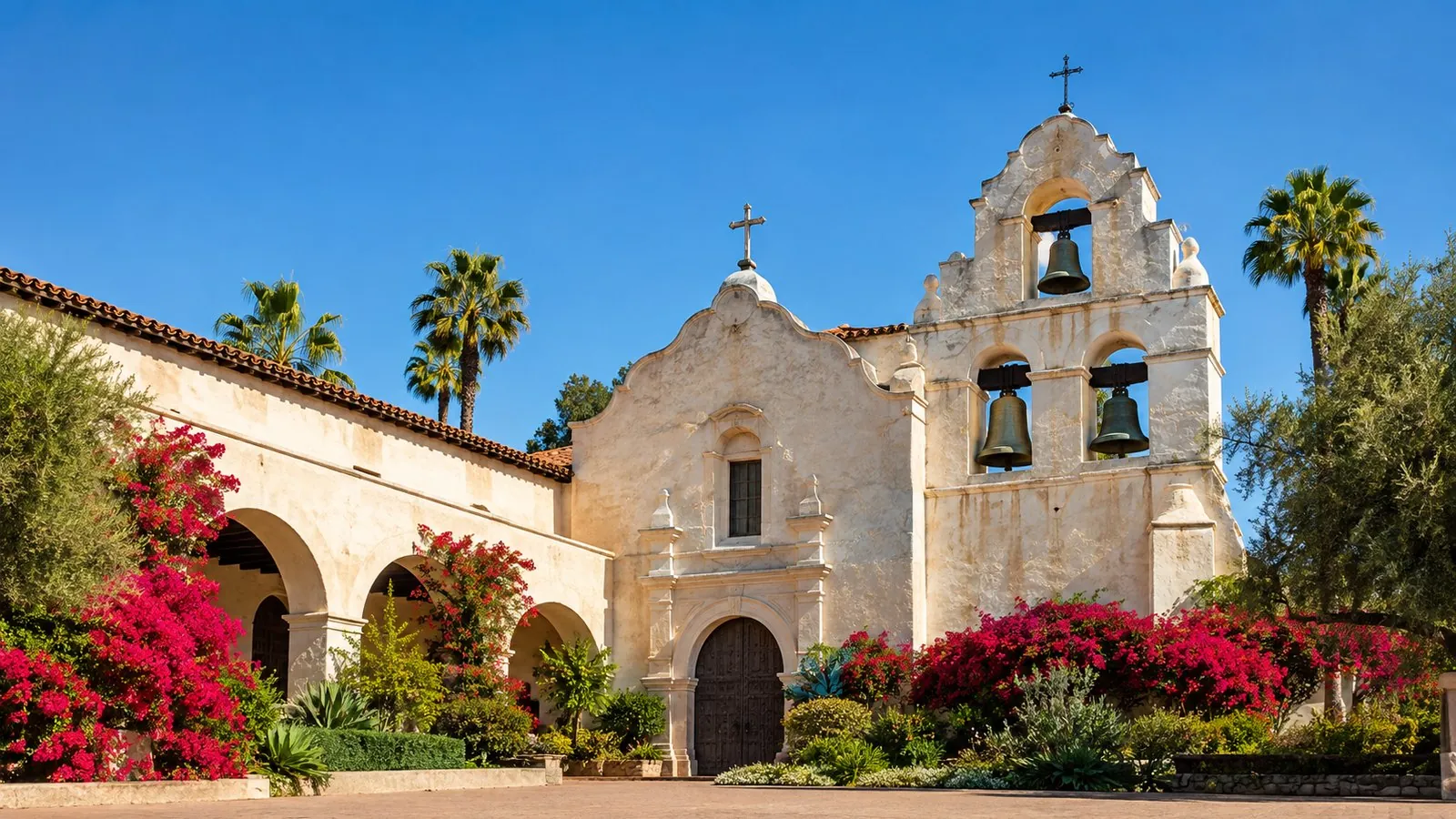
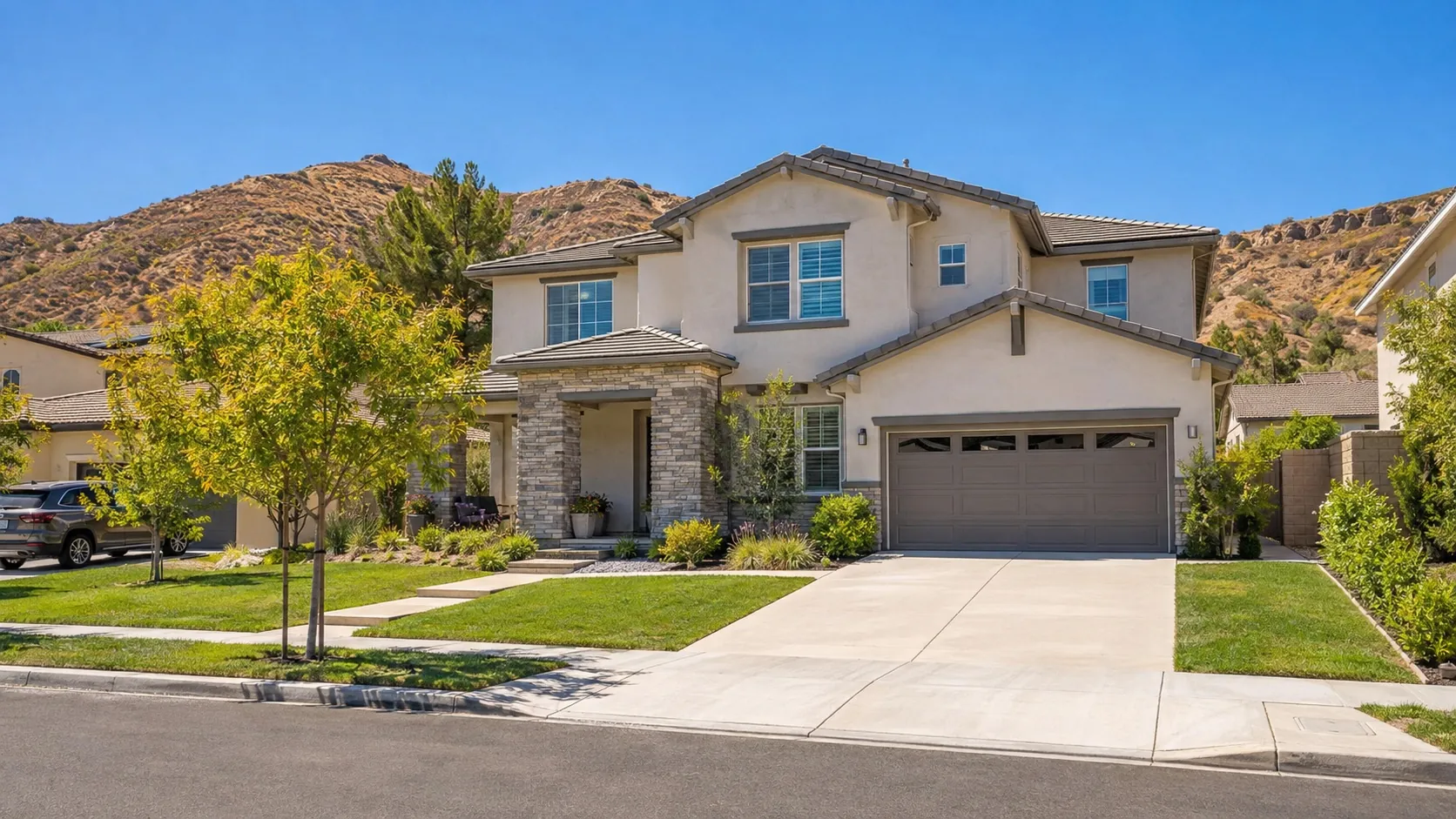
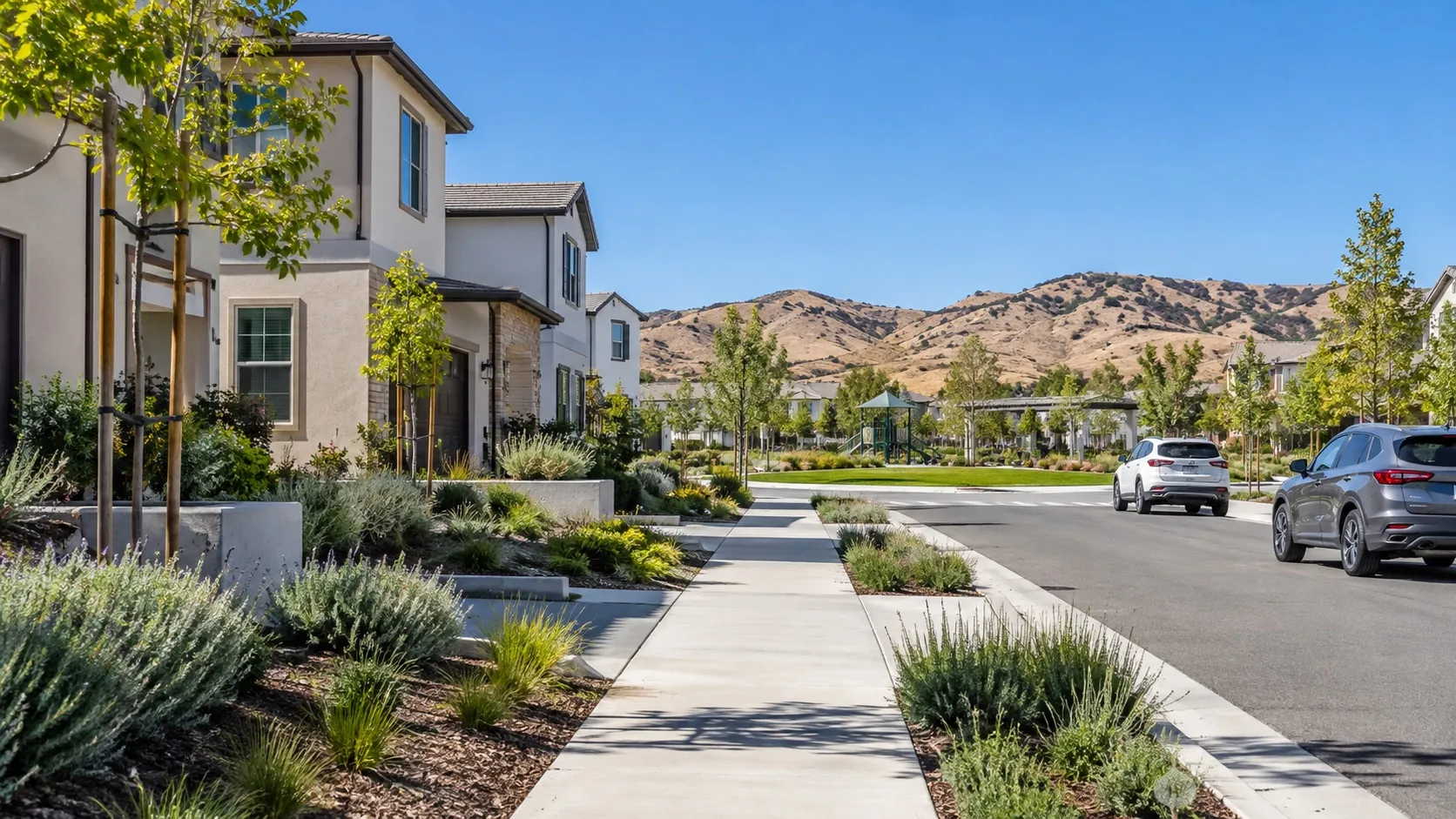
 Santa Clarita Valley, CA
Cadê News · The Cadê Brazil newspaper and the California regions — each region with its own local paper.
 Casa & Moradia
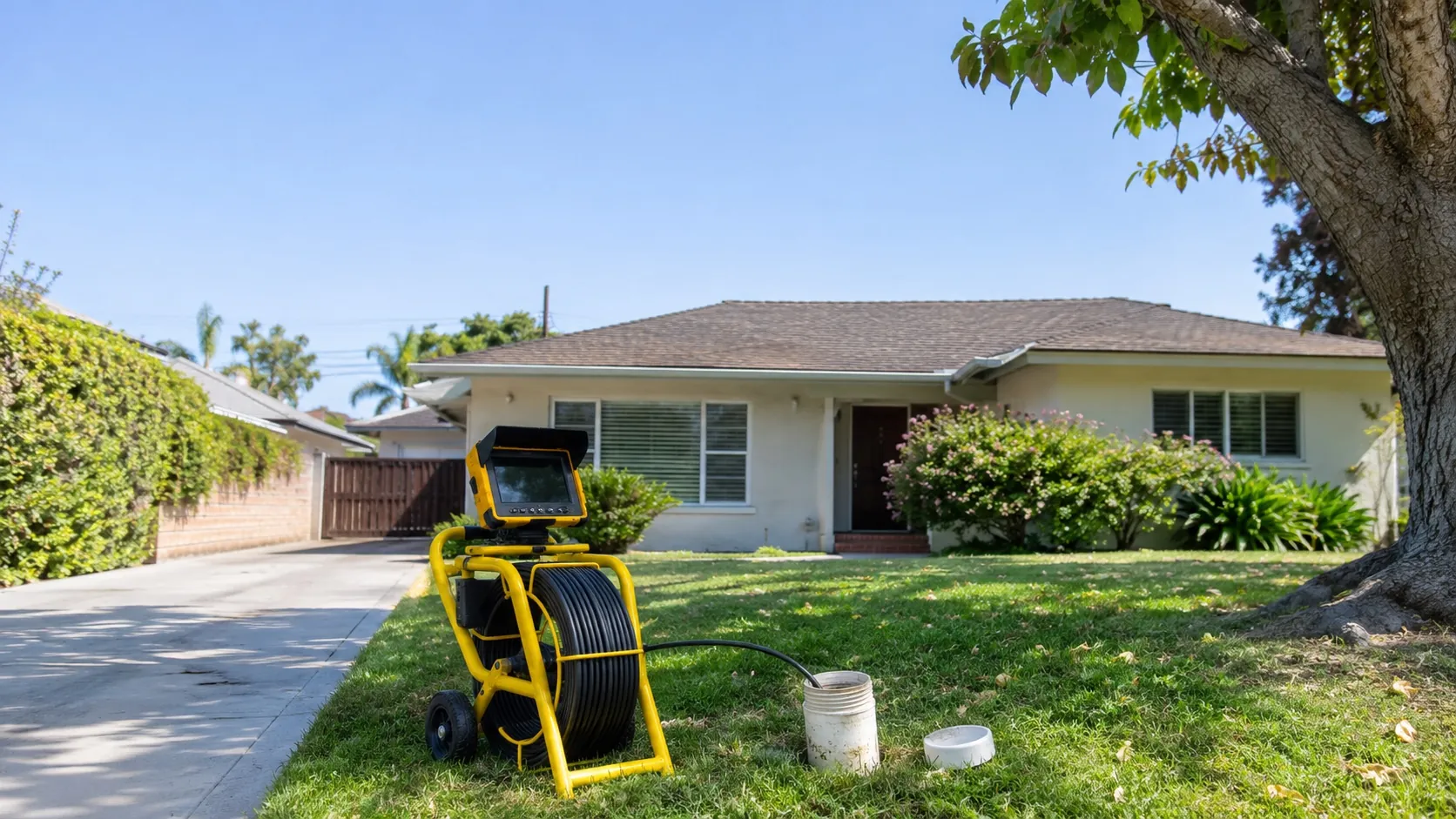
The general home inspection doesn't look at the pipe that carries sewage out to the street. A camera does — and repairing that stretch is the homeowner's responsibility, not the city's.
 Casa & Moradia
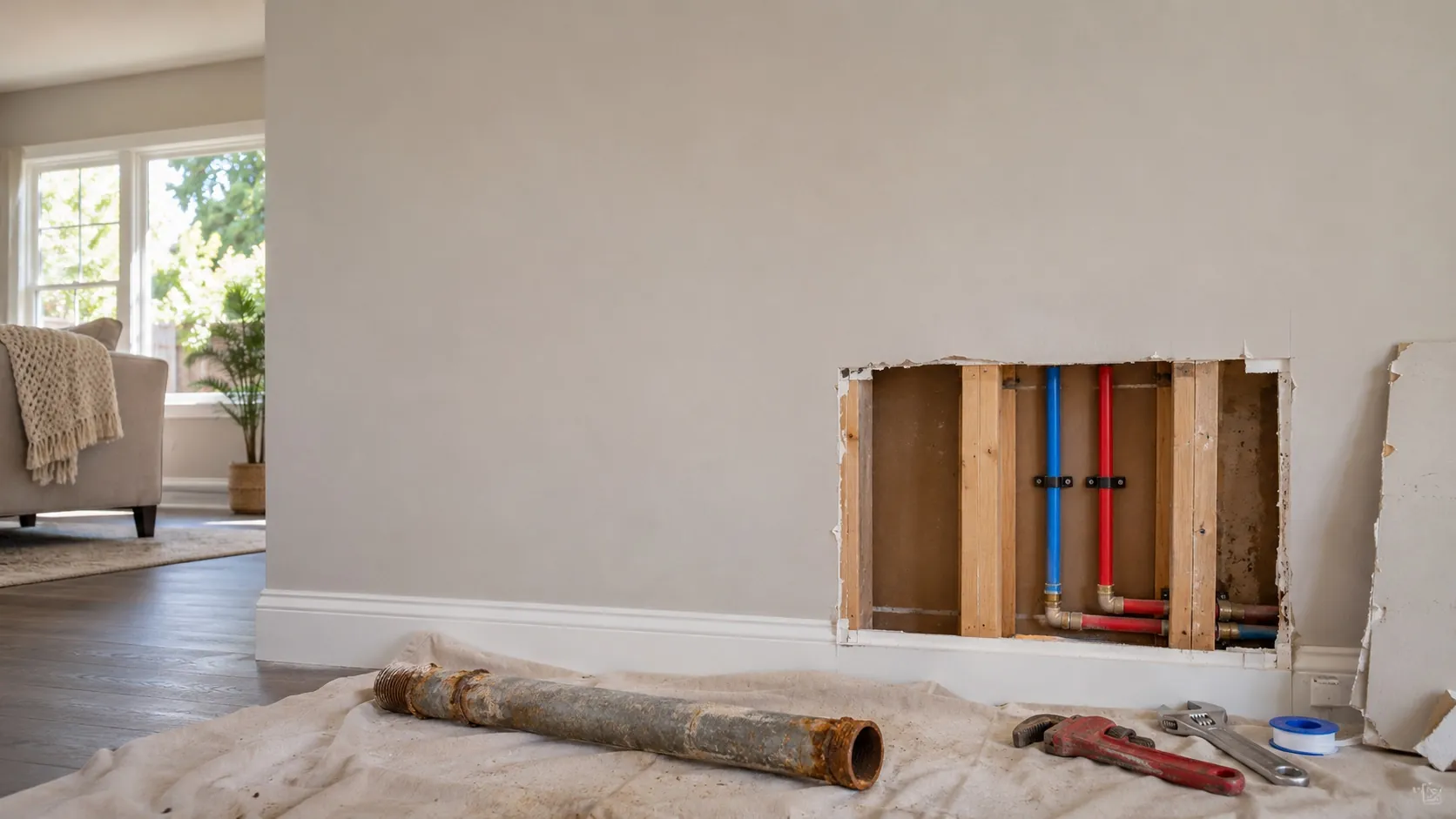
Galvanized iron plumbing is a sign of pipes more than 40 years old. Home inspector Aguiar explains why it weighs on the purchase, the insurance and your wallet — and what changes between copper and PEX when it's time to replace them.
 Work & Money
He asked for a cup of ice and walked away with a combo; he bought an $8 radio and paid another $12 for insurance. Comedian Zé Modesto's stories become a practical guide to the "extras" people accept because they didn't understand the question — and to consumer rights in California.
 Episode 1 · Part 3 of 5
Listings for homes that don't belong to the advertiser, deposits paid straight to strangers, properties with hidden debts. Realtor Mariness Chata explains the safeguards in the American system — and rule number one: a real estate agent never takes money from the buyer.
 Episode 10 · Part 2 of 7
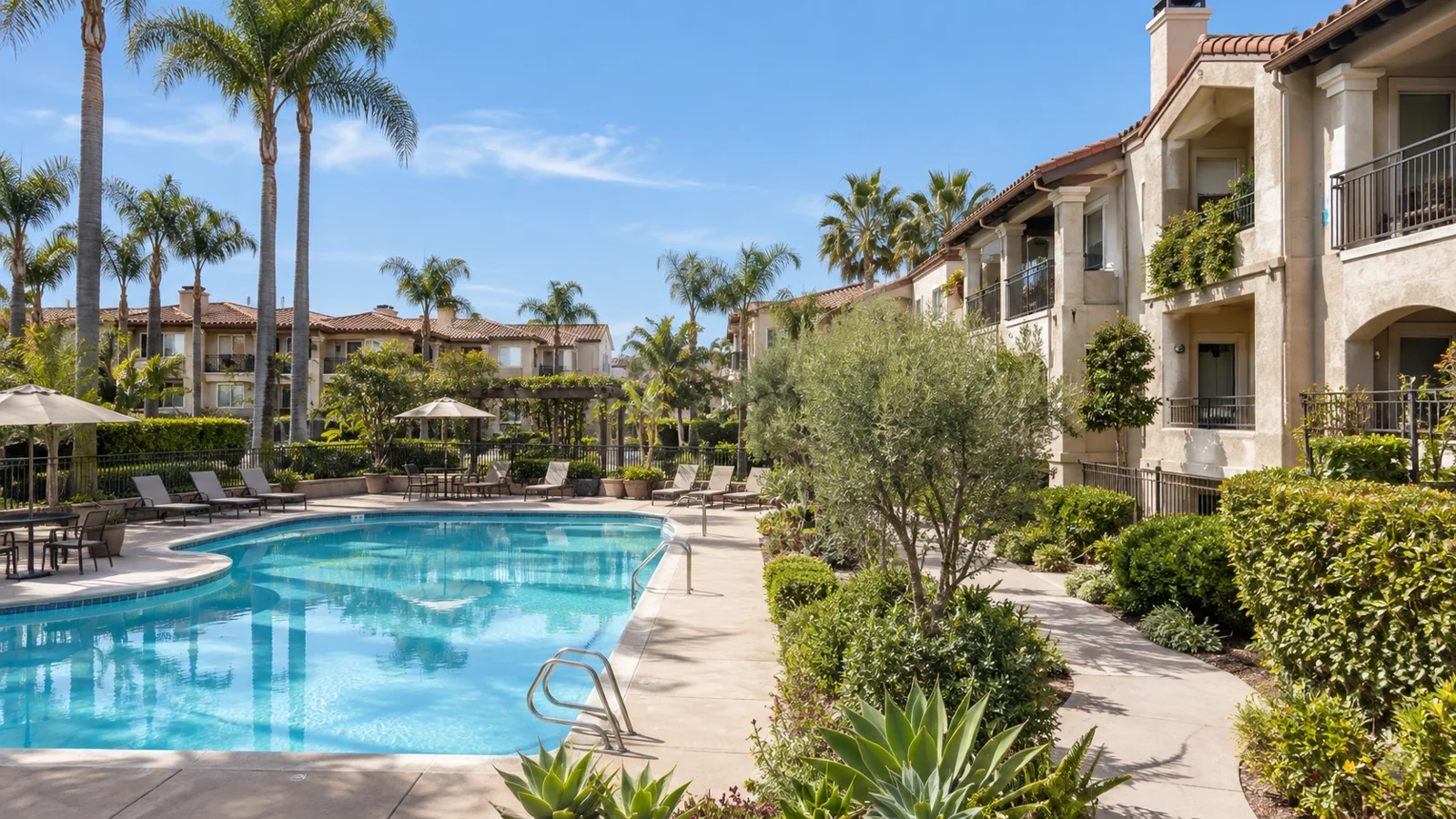
A $539 HOA fee is alarming — until you add up what a homeowner pays separately: gardener, yard water, trash, insurance on the structure, exterior paint. How to compare the two for real, why the building's reserve matters, and the detail that can block FHA financing.
 Episode 11 · Part 4 of 8
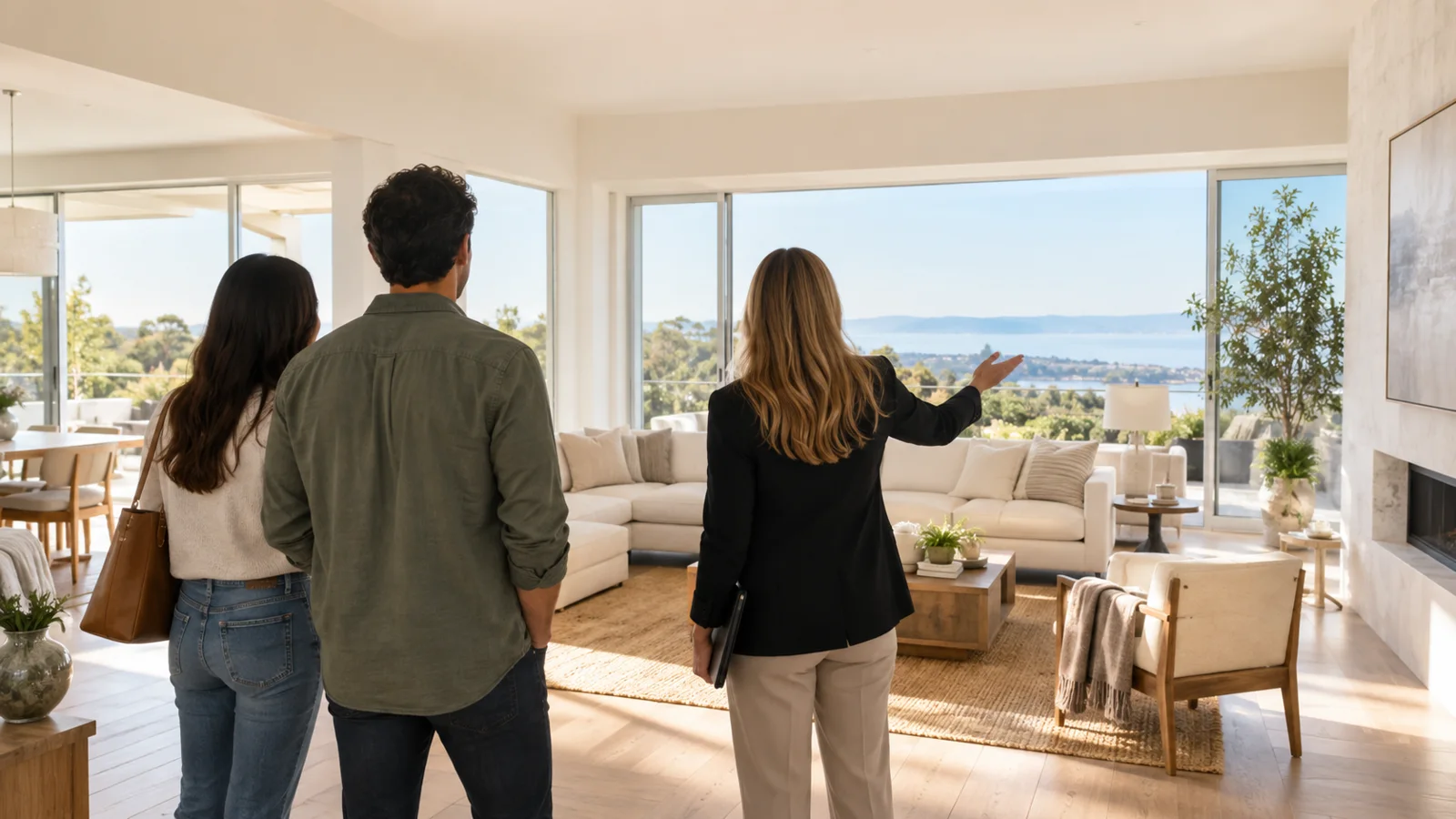
Showing a house is the easy part. Knowing the street that changed school zones, the neighborhood with a Mello-Roos tax, and the hillside that slides; negotiating; working with a contract revised every year; delivering natural hazard and sex offender registry disclosures; and coordinating up to 20 people through closing. How long all of it takes.
 Episode 1 · Part 4 of 5
North of Santa Clarita, up the 14 freeway, lies the Antelope Valley: bigger, cheaper houses, lots with room for horses and an economy driven by the aerospace industry. The trade-off is the distance to Los Angeles — and realtor Mariness Chata explains how residents deal with it.
 Episode 1 · Part 2 of 5
Leave central Los Angeles and you won't find a 'periferia' in the Brazilian sense: new subdivisions arrive with planned schools, parks and shopping areas. The reason lies in the fees and requirements the law imposes on builders — and that cost goes into the price of the house.
 Episode 4 · Part 7 of 9
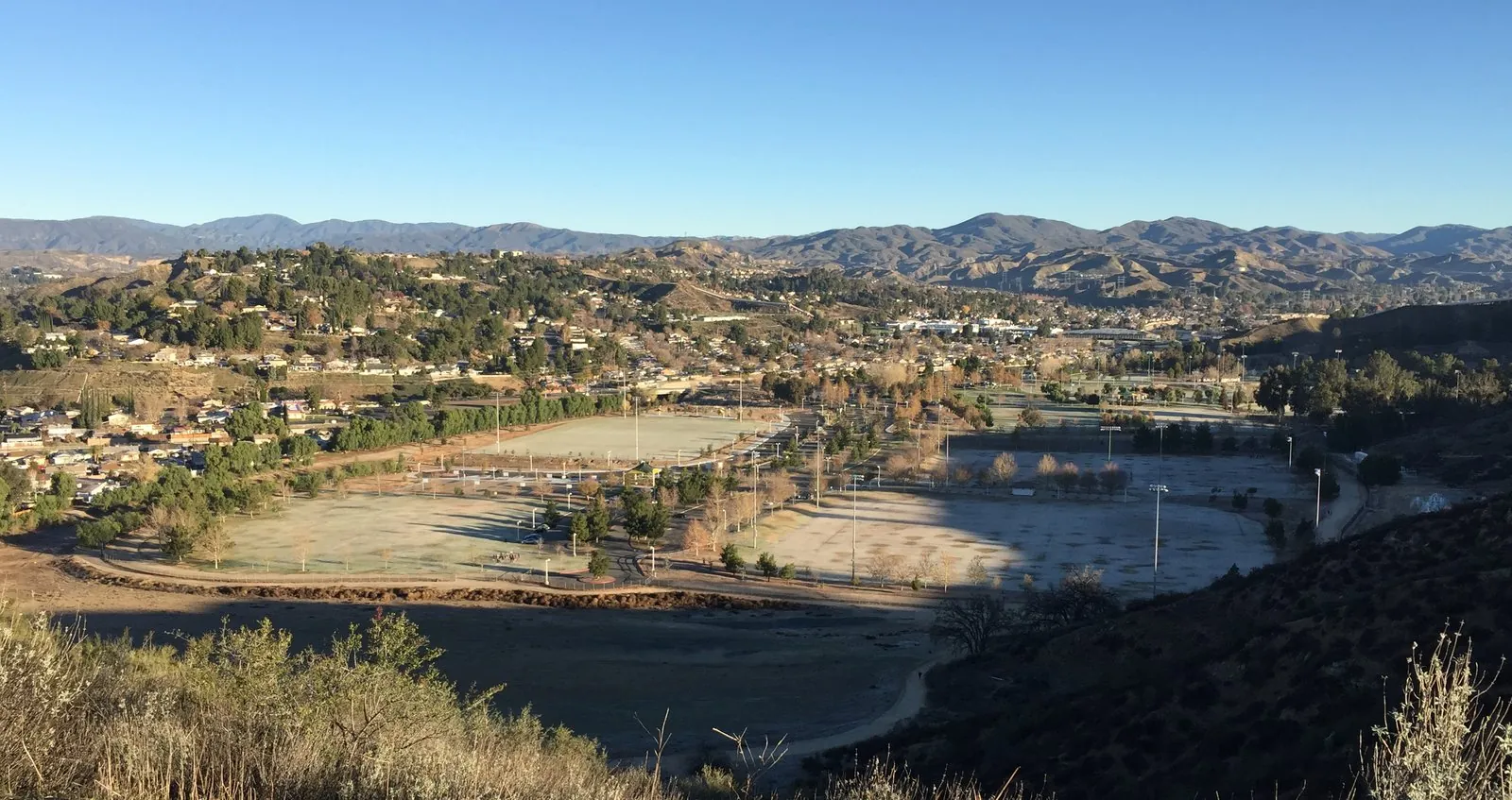
With about 250,000 residents, wide streets and plenty of green space, Santa Clarita draws Brazilian families looking for a different pace than downtown Los Angeles. Get to know the area's profile and the highly rated schools driving demand.
 Episode 8 · Part 1 of 6
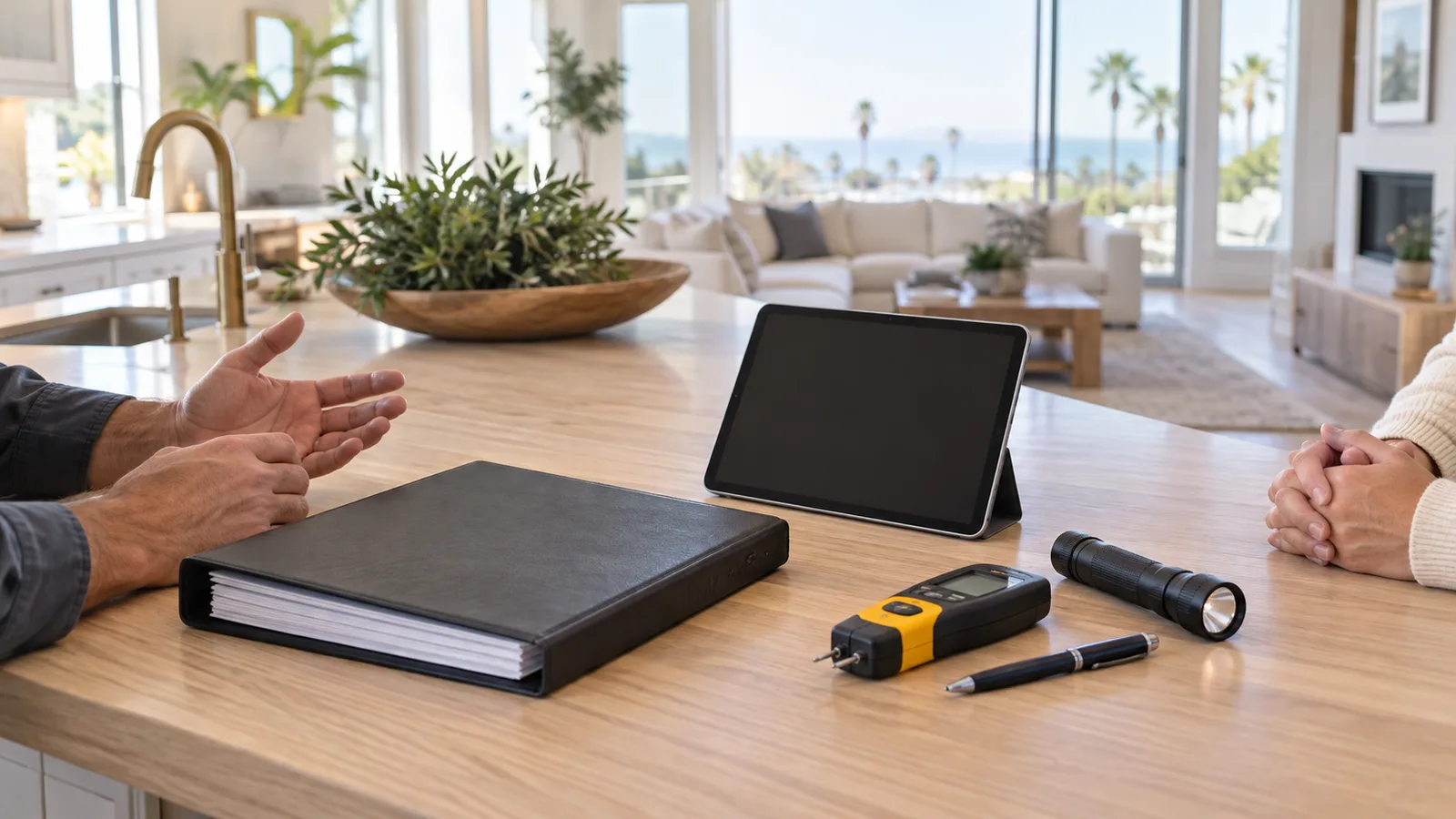
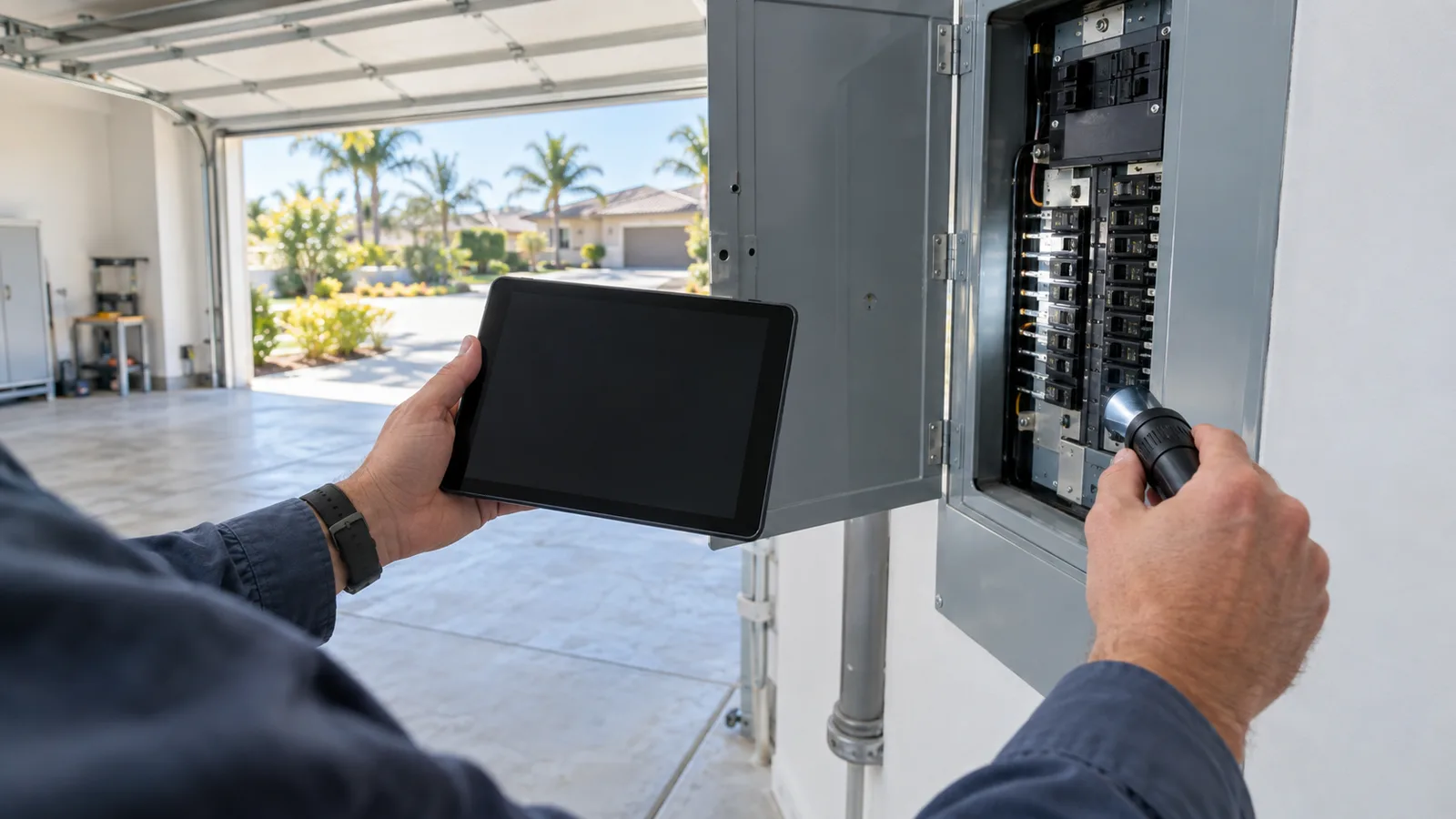
Roof, electrical panel, plumbing and air conditioning. More and more insurers are sending an inspector to the house before they will issue or renew a policy — and certain older items, like Zinsco panels and galvanized pipes, are common grounds for refusal until they are replaced.
 Episode 8 · Part 5 of 6
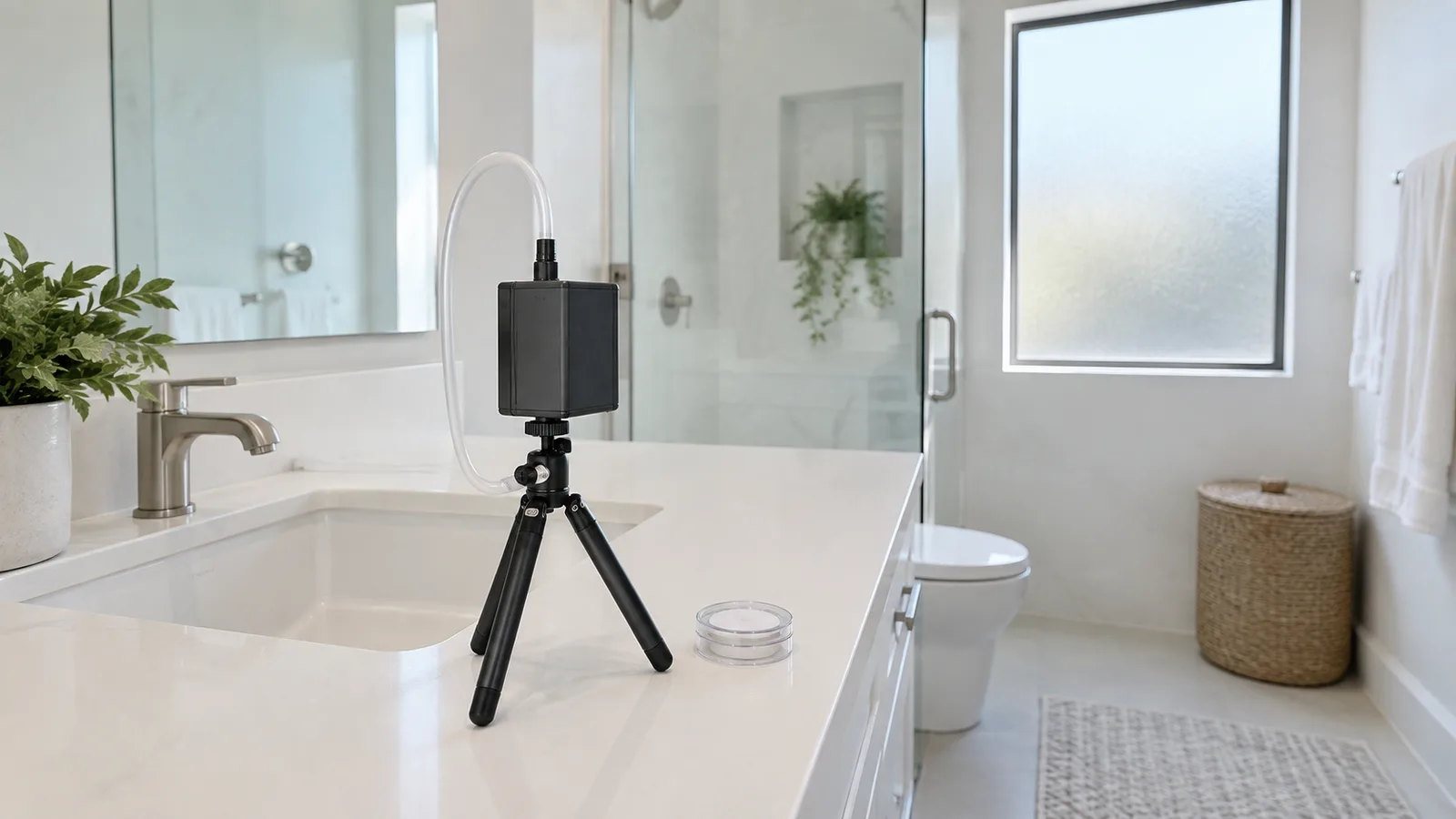
A dark stain and a damp smell are not enough to declare there is mold — and declaring it without proof can end in a lawsuit. How air and surface sampling is done, what the lab answers, and what a buyer should ask for when the report flags moisture.
 Episode 8 · Part 4 of 6
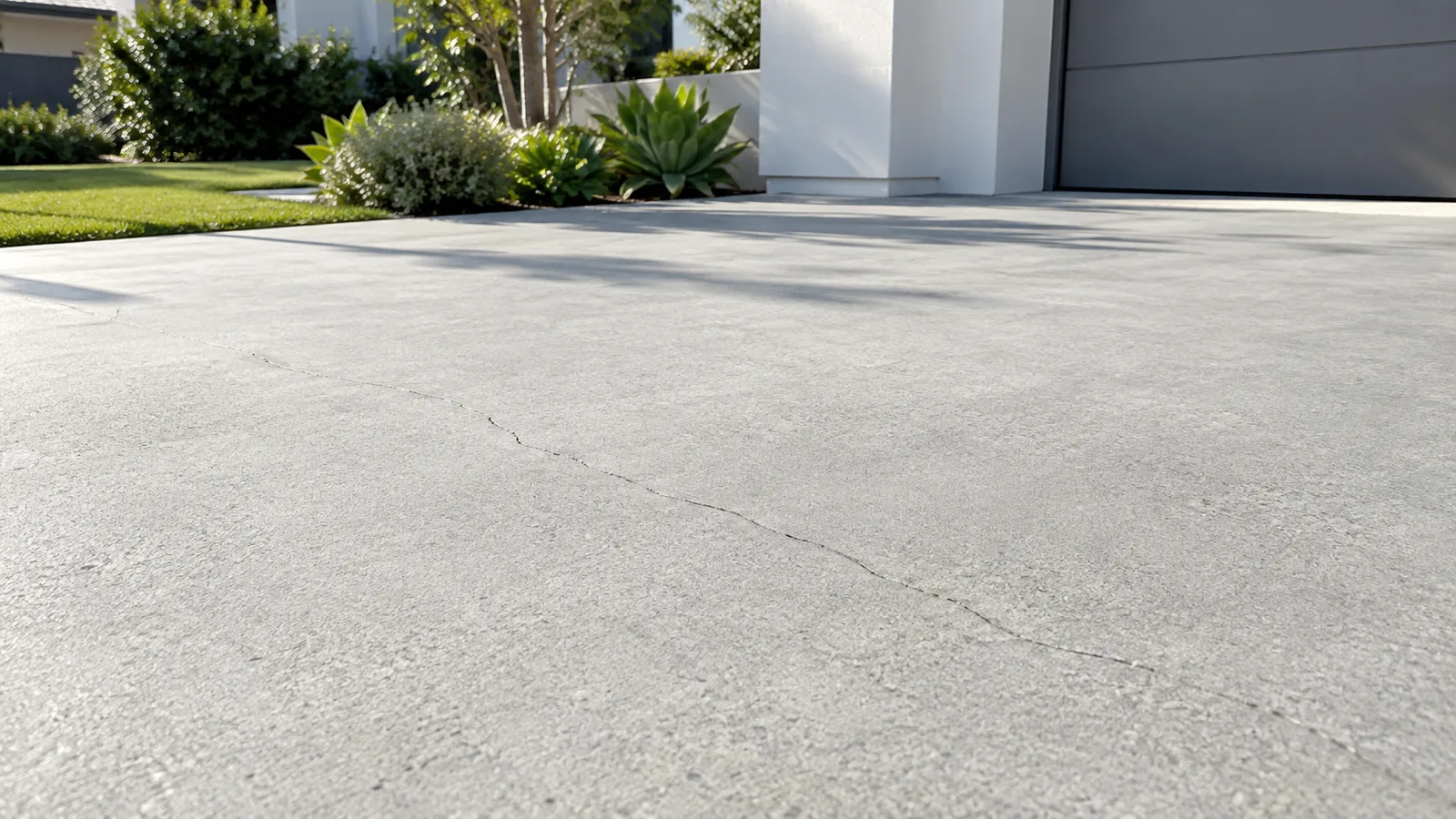
A hairline crack in the exterior wall, the concrete slab or the driveway is almost the rule in earthquake country — and it rarely means the house is coming down. The difference between a slab foundation and a crawl space, the bolts the insurer wants to see, and the signs that deserve a specialist.
 Part 5 of 5
Selling "as is" does not waive the buyer's inspection or the duty to disclose defects. Inspector Aguiar and realtor Dina Silveira explain why many sellers now inspect the home before putting it on the market.
 Part 4 of 5
The outlet with test and reset buttons is the one that prevents shocks near water. Inspector Aguiar explains where it is required, why a single one can protect several outlets and the care to take with the refrigerator.
 Part 3 of 5
A wedge propping the door open and a garage packed with clutter are common inspection findings. Inspector Aguiar explains why — and what California law requires about carbon monoxide detectors.
 Episode 9 · Part 1 of 6
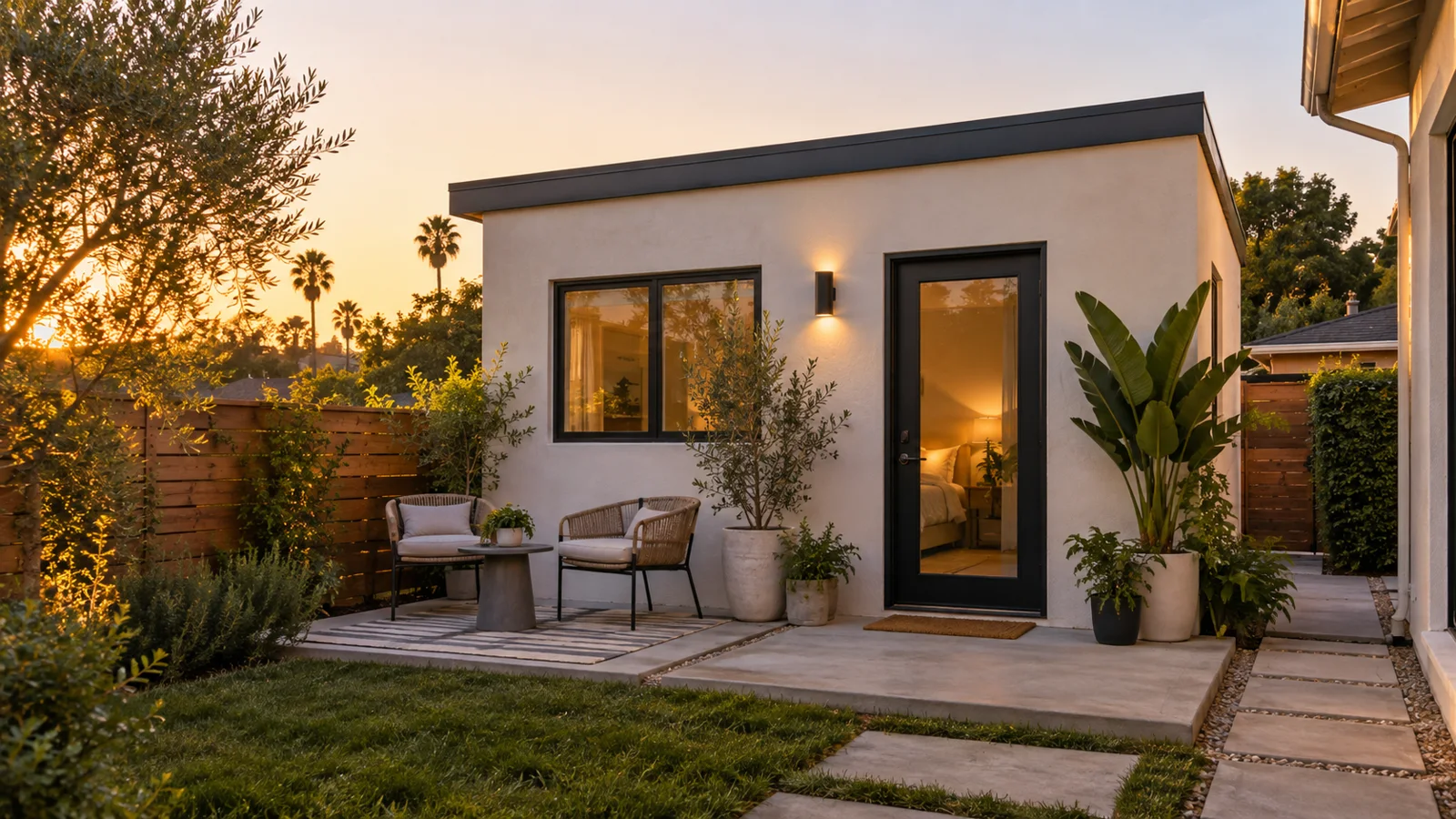
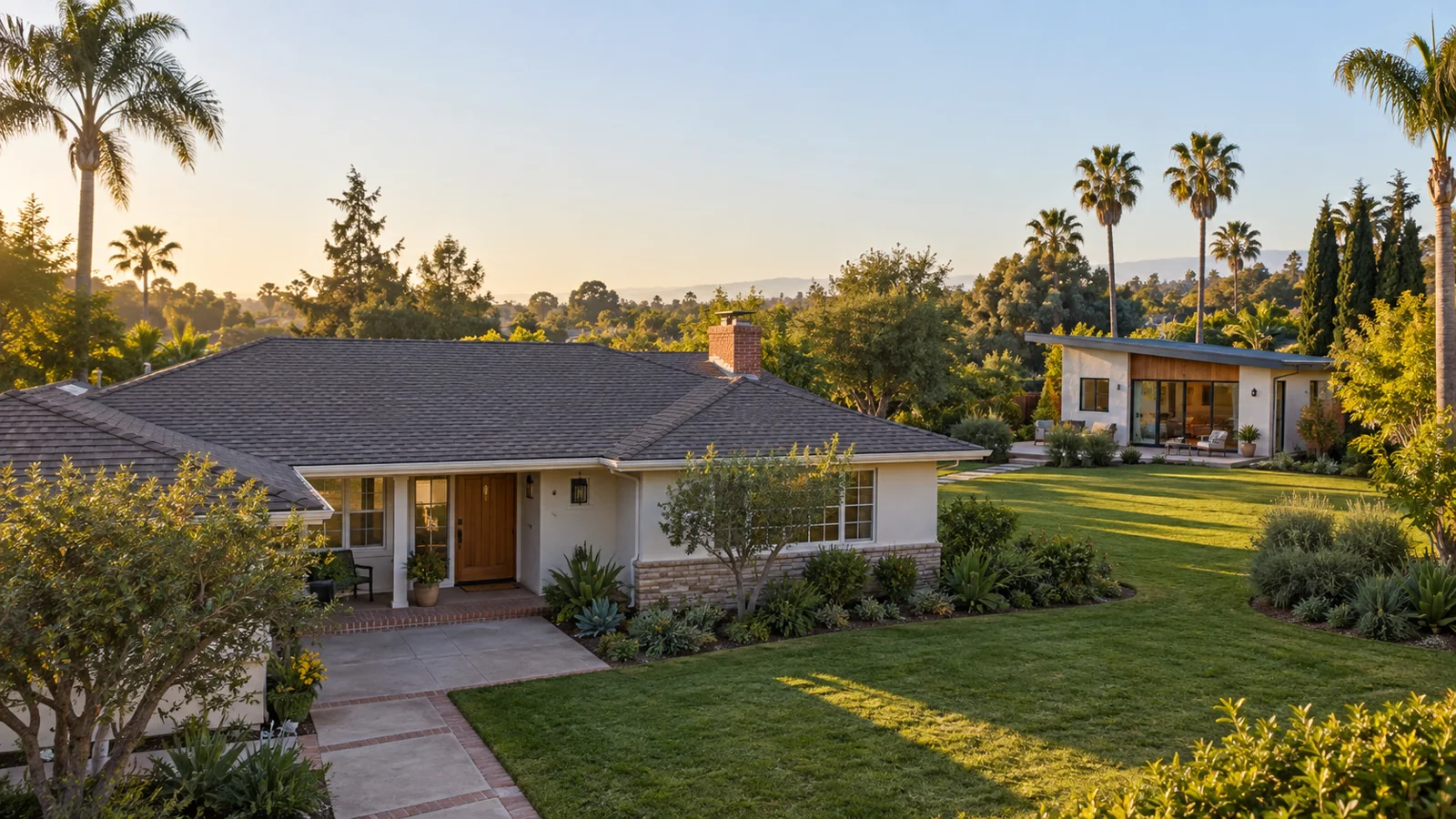
A state planned around big houses on big lots, decades of people arriving and very little building. The extra house in the backyard started out illegal, became law in 2017 and is today one of the state government's weapons to force cities to meet housing targets. Understanding that history helps you choose where to build.
 Episode 9 · Part 3 of 6
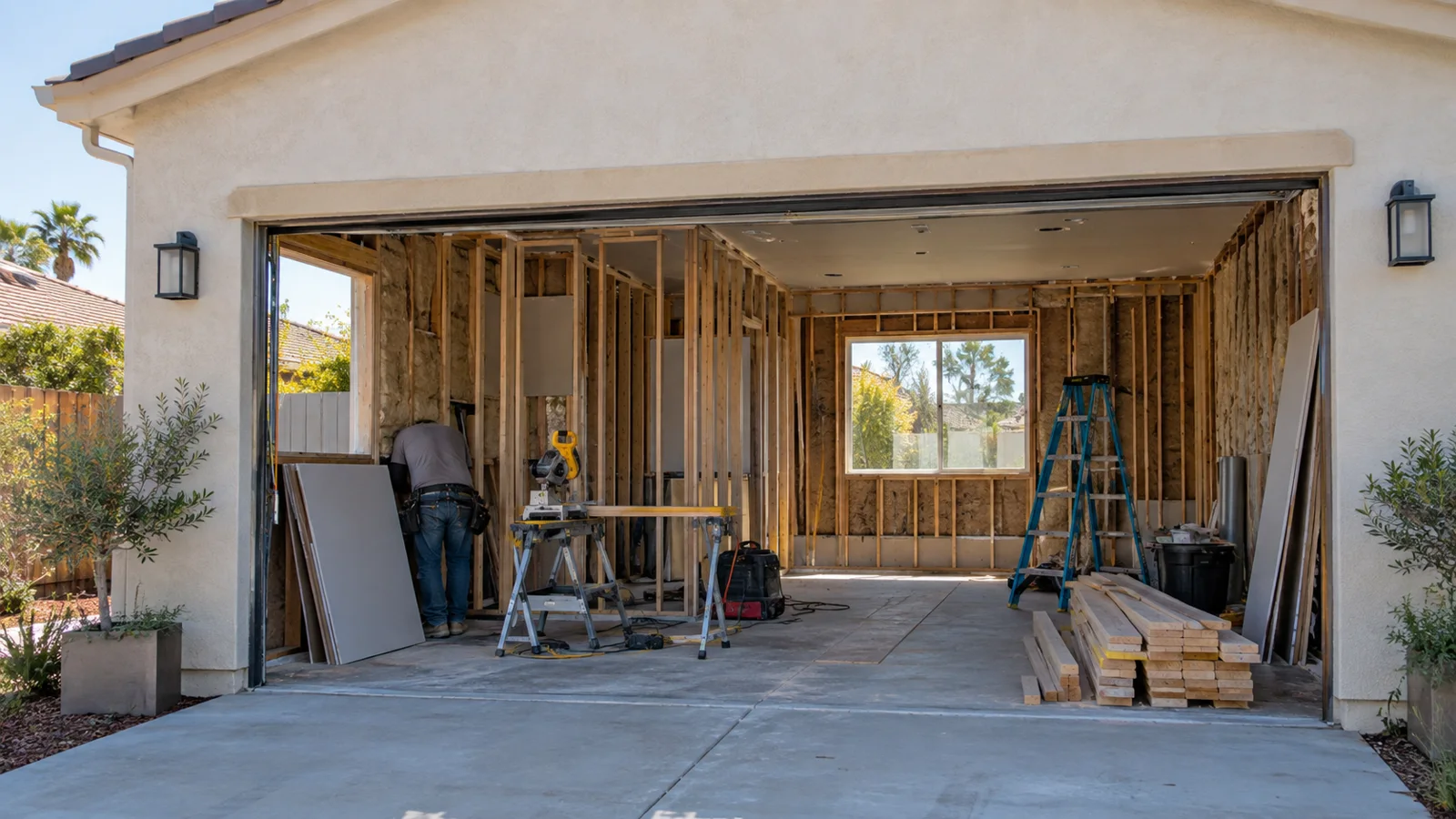
Converting the garage looks like the obvious shortcut: the walls and roof are already there. But a garage was built for a car, not for people, and a foundation with no footings can cost tens of thousands of dollars. The types of ADU, the dimensions state law guarantees and what should weigh on the choice.
 Episode 9 · Part 2 of 6
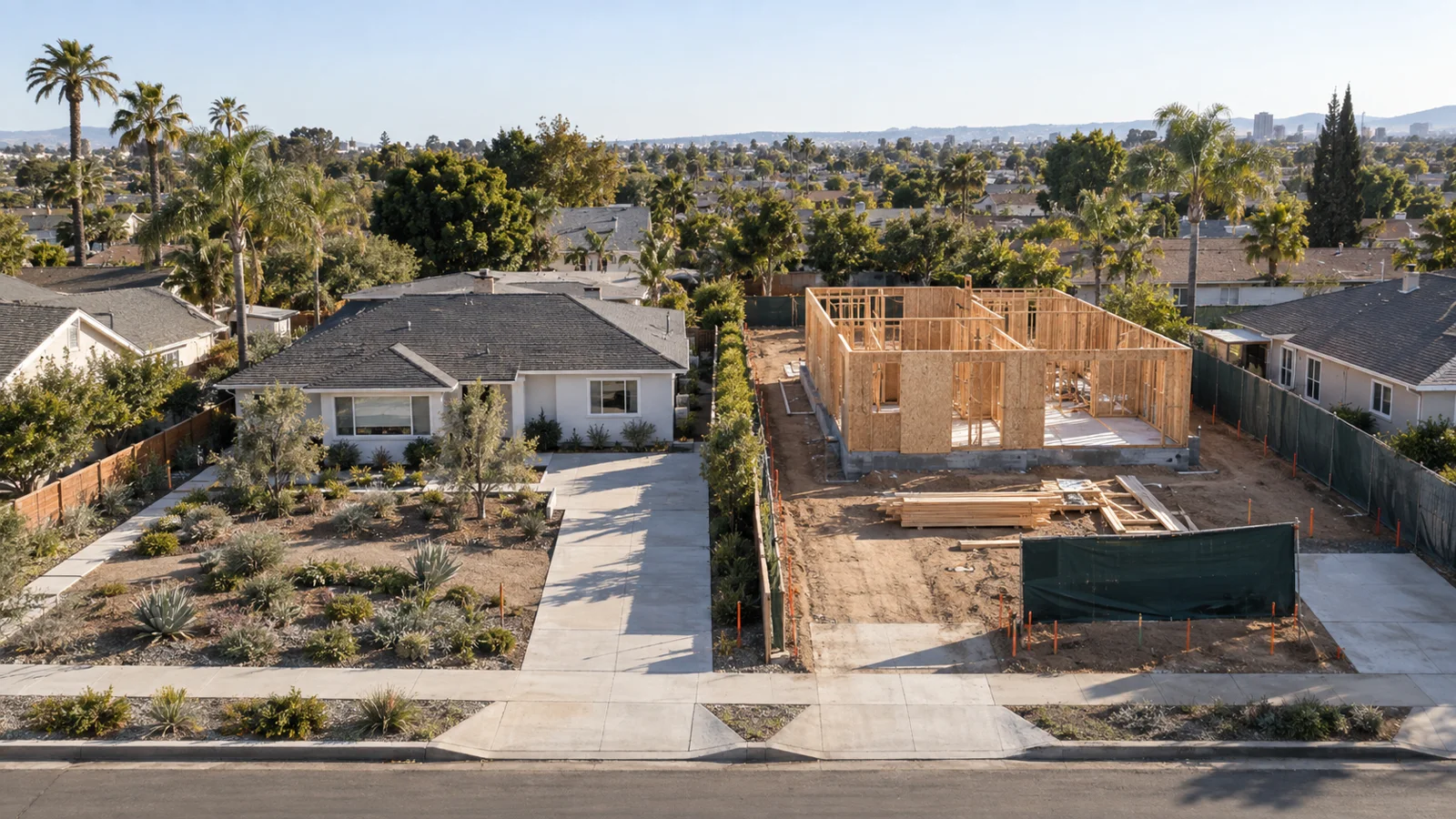
Since 2022, state law has allowed a single-family lot to be split in two and up to two units to be built on each one. In theory, one house becomes four. In practice, there is a three-year owner-occupancy requirement, excluded areas and cities that limit combining it with an ADU. What the law allows — and the difference between having two addresses and having two lots.
 Episode 11 · Part 1 of 8
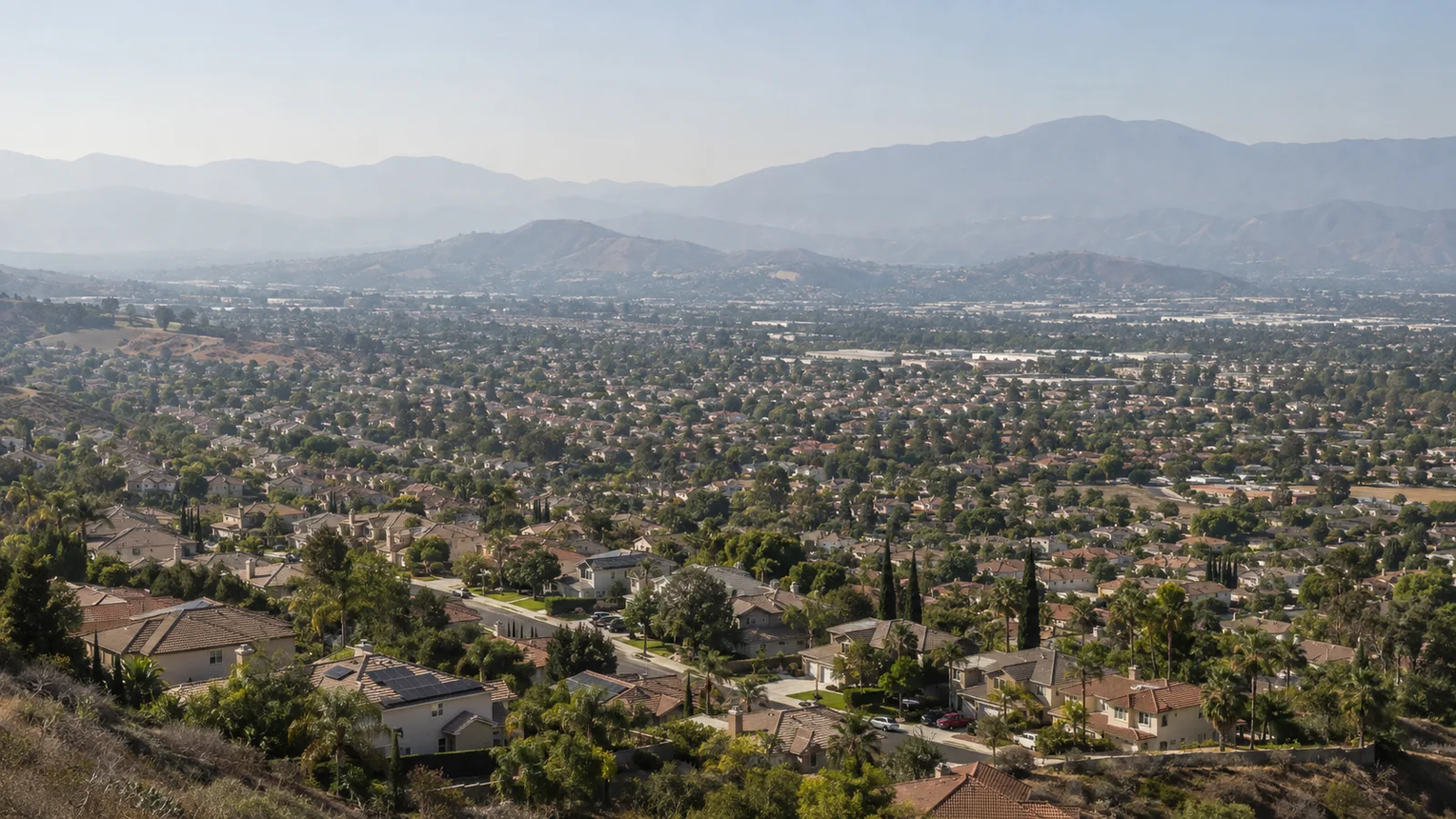
The show's realtors are betting on stability, not a crash: too few homes for sale, years-long construction timelines, and buyers who come right back once prices ease. The reasoning behind that read, what's changed in lending since 2008, and why the Airbnb desert tells a different story.
 Episode 9 · Part 4 of 6
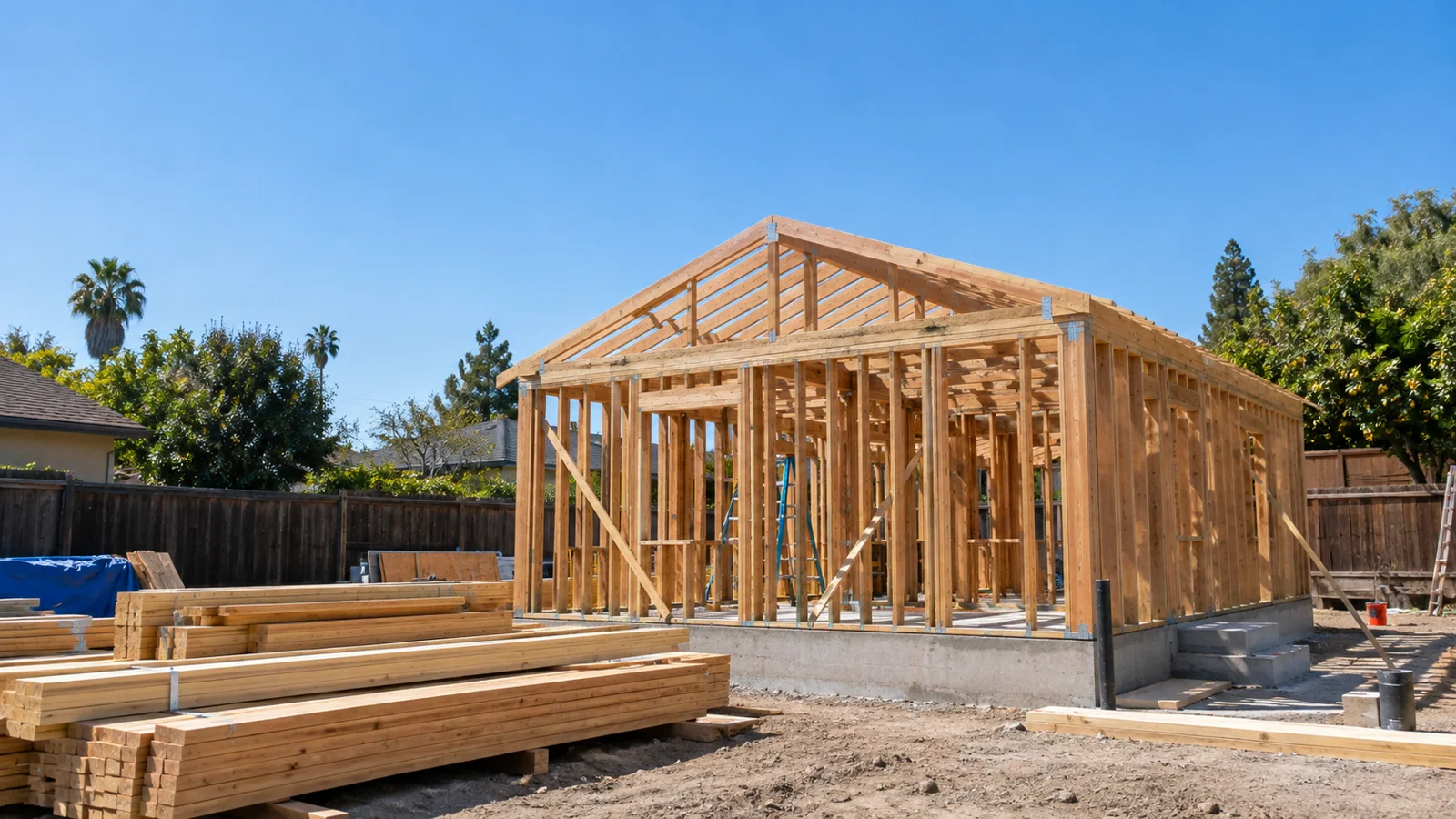
The quick answer — $200 to $300 per square foot with a licensed contractor — leaves out what pushes some units to $500: a sloped lot, a sewage pump, retaining walls. A small unit costs more per square foot, and construction takes six to eight months, with a city inspection at every stage.