 Neighborhood Guide
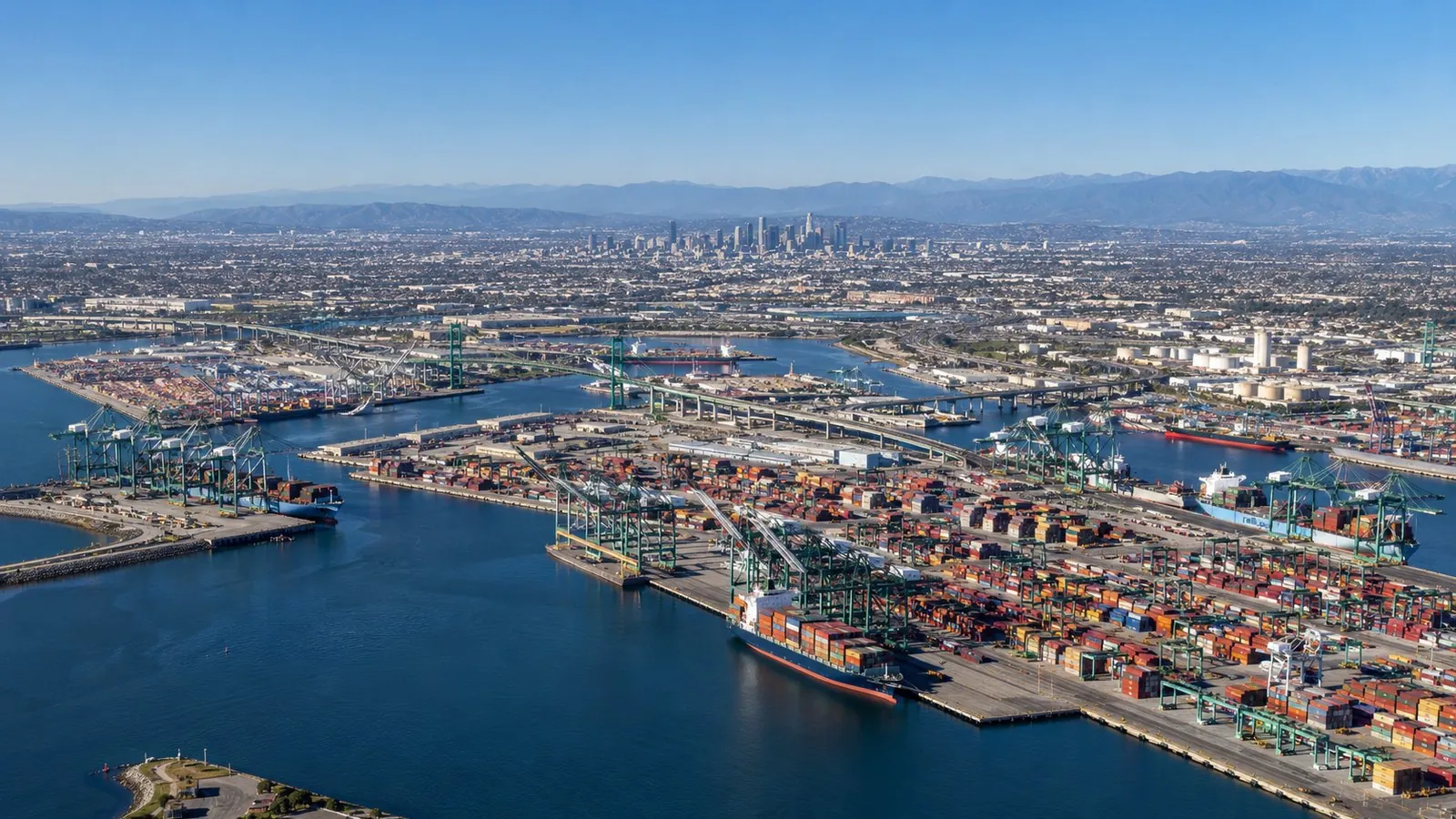
The City of Los Angeles has a 'tail' that runs down to the port, surrounds Beverly Hills and swallows neighborhoods many people think are cities. Dina Silveira and Jason Lanzarini walk through the map — and explain why it determines the police, schools and rules for your home.
 Neighborhood Guide
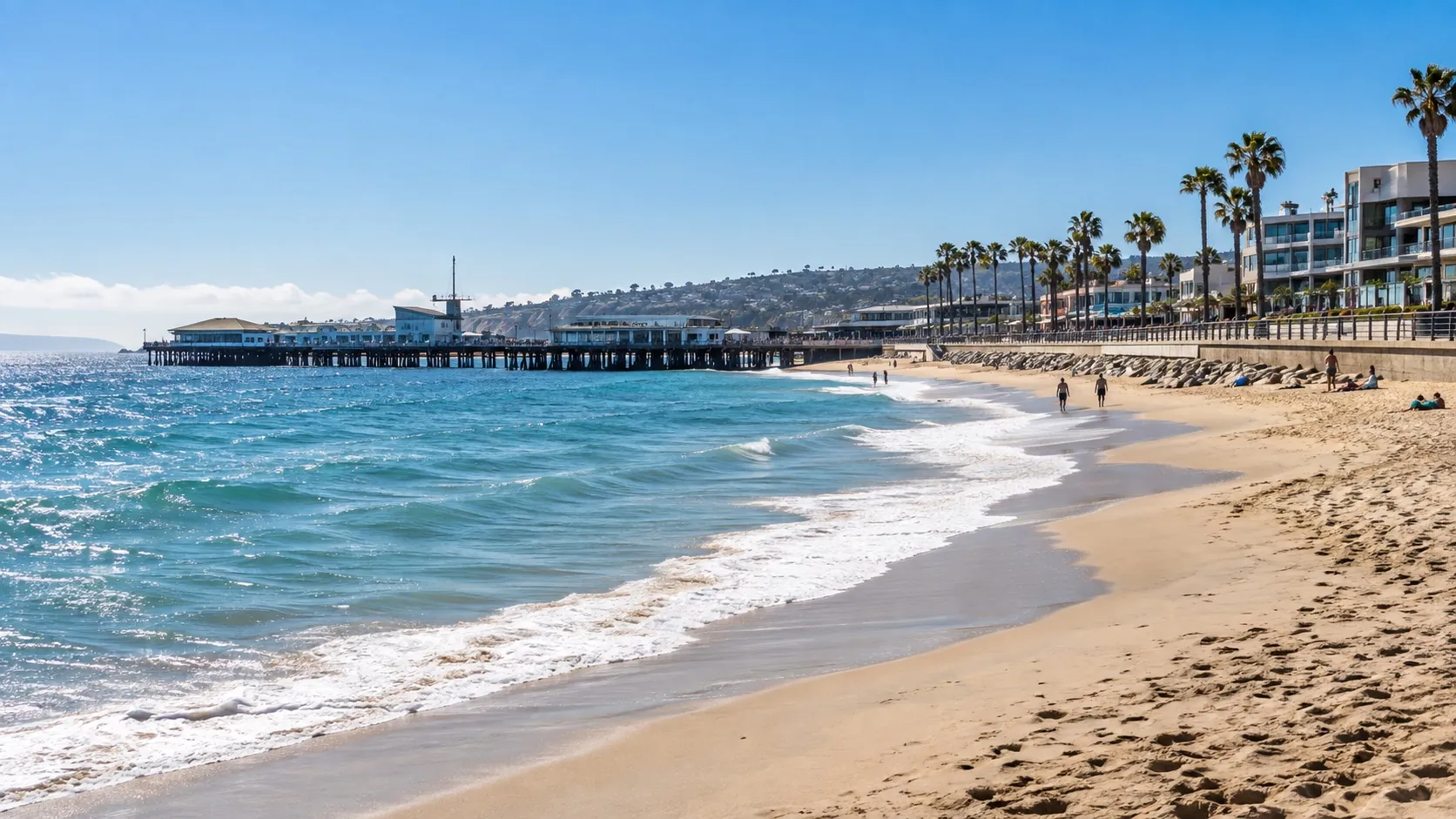
The largest city in LA's South Bay, Torrance is known for having excellent schools at a more affordable price than its coastal neighbors — even though it has a little-known stretch of beach. Meet the city that became an entry point for many Brazilians in the region.
 Neighborhood Guide
Planned starting in the 2000s on LA's Westside, Playa Vista is home to Google, Meta and YouTube offices and became synonymous with a fully walkable neighborhood — everything within a short walk. Meet the area where condos run over a million dollars.
 Episode 10 · Part 6 of 7
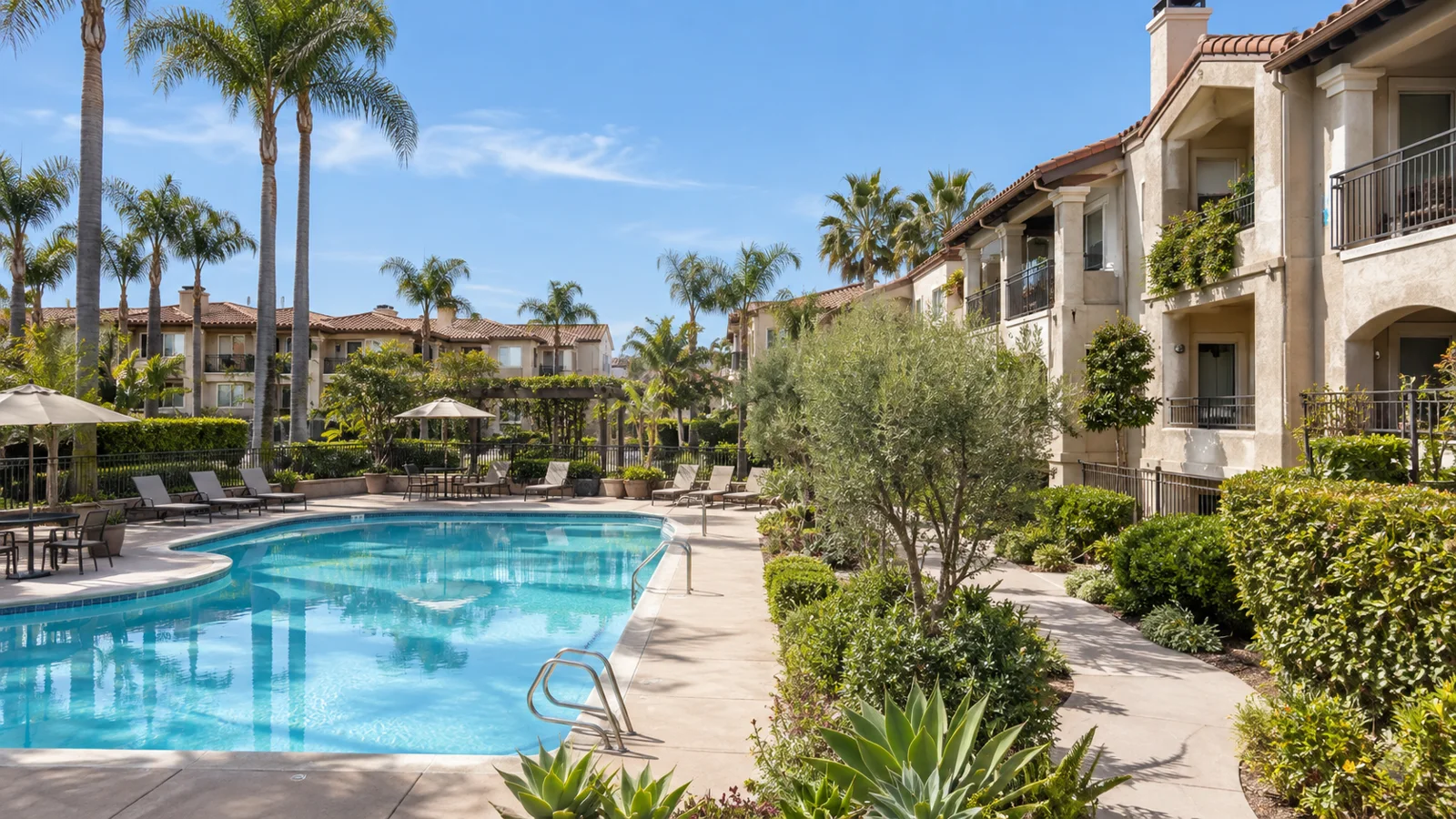
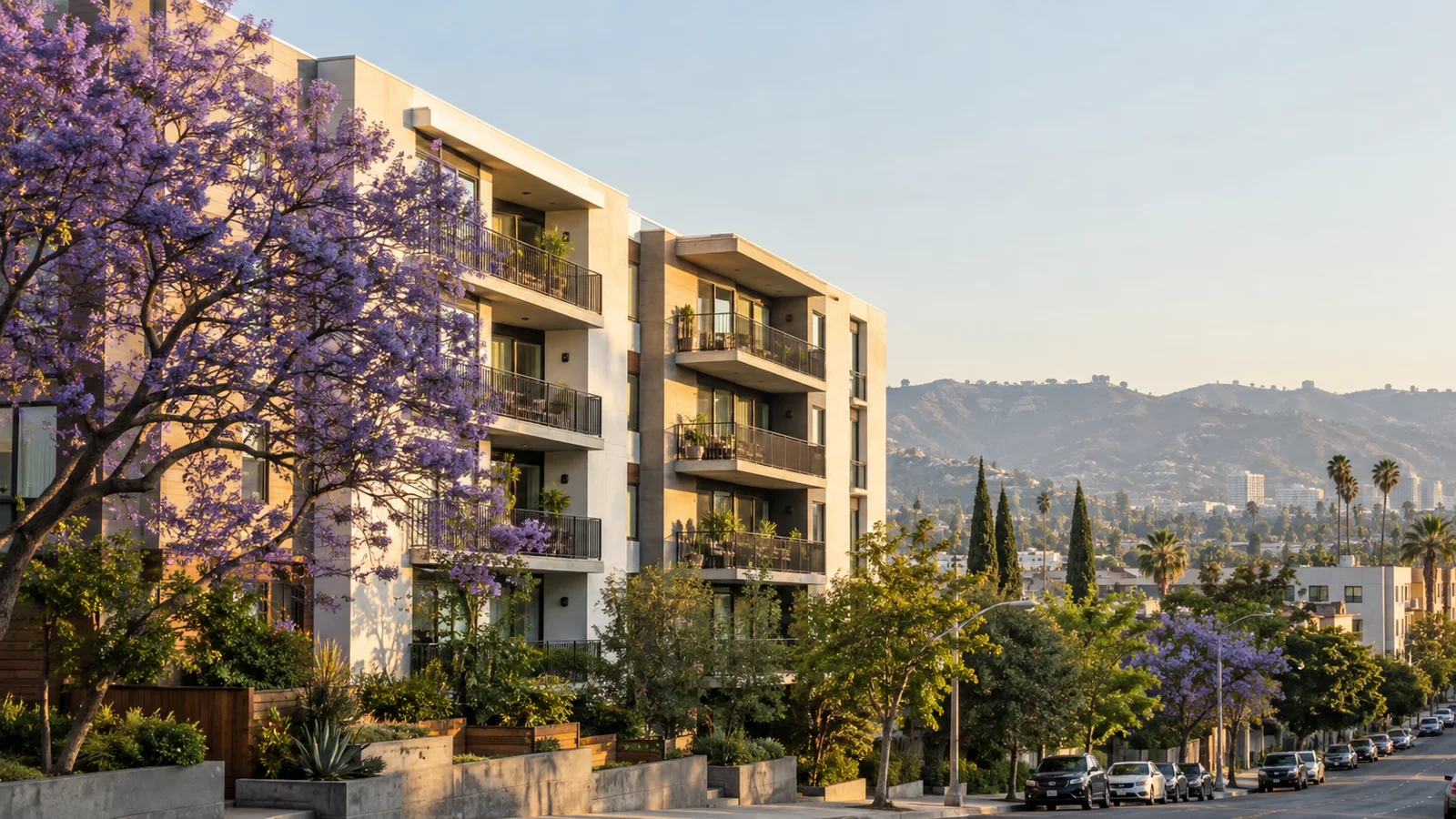
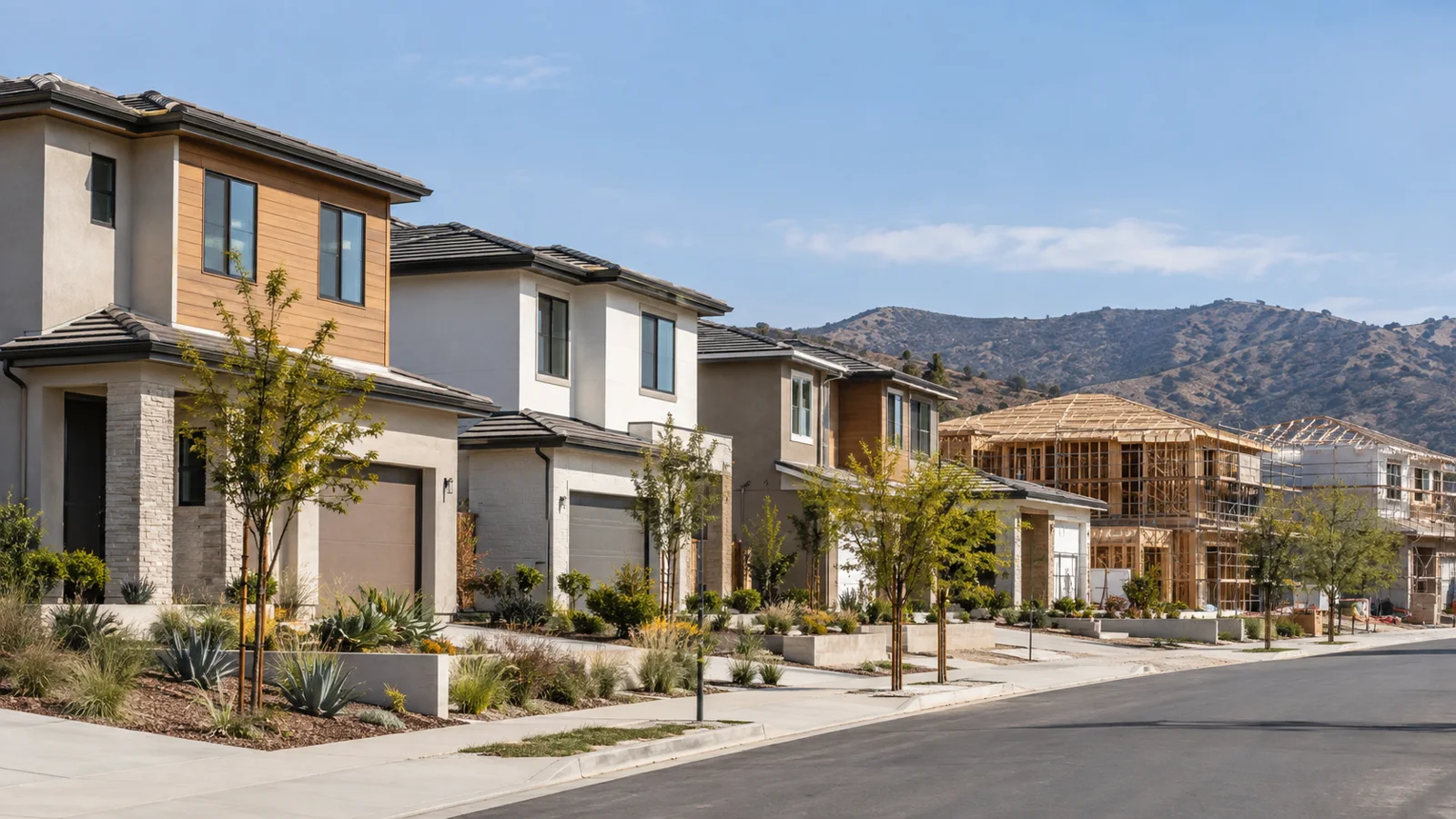
New condos and townhomes in Torrance and Carson, a walkable neighborhood just launched in Santa Clarita, prices that go up with every sales phase. Builders offer reduced rates, closing costs paid and a credit toward finishes. What's worth it, when to line up the financing, and what to check before signing.
 Episode 10 · Part 4 of 7
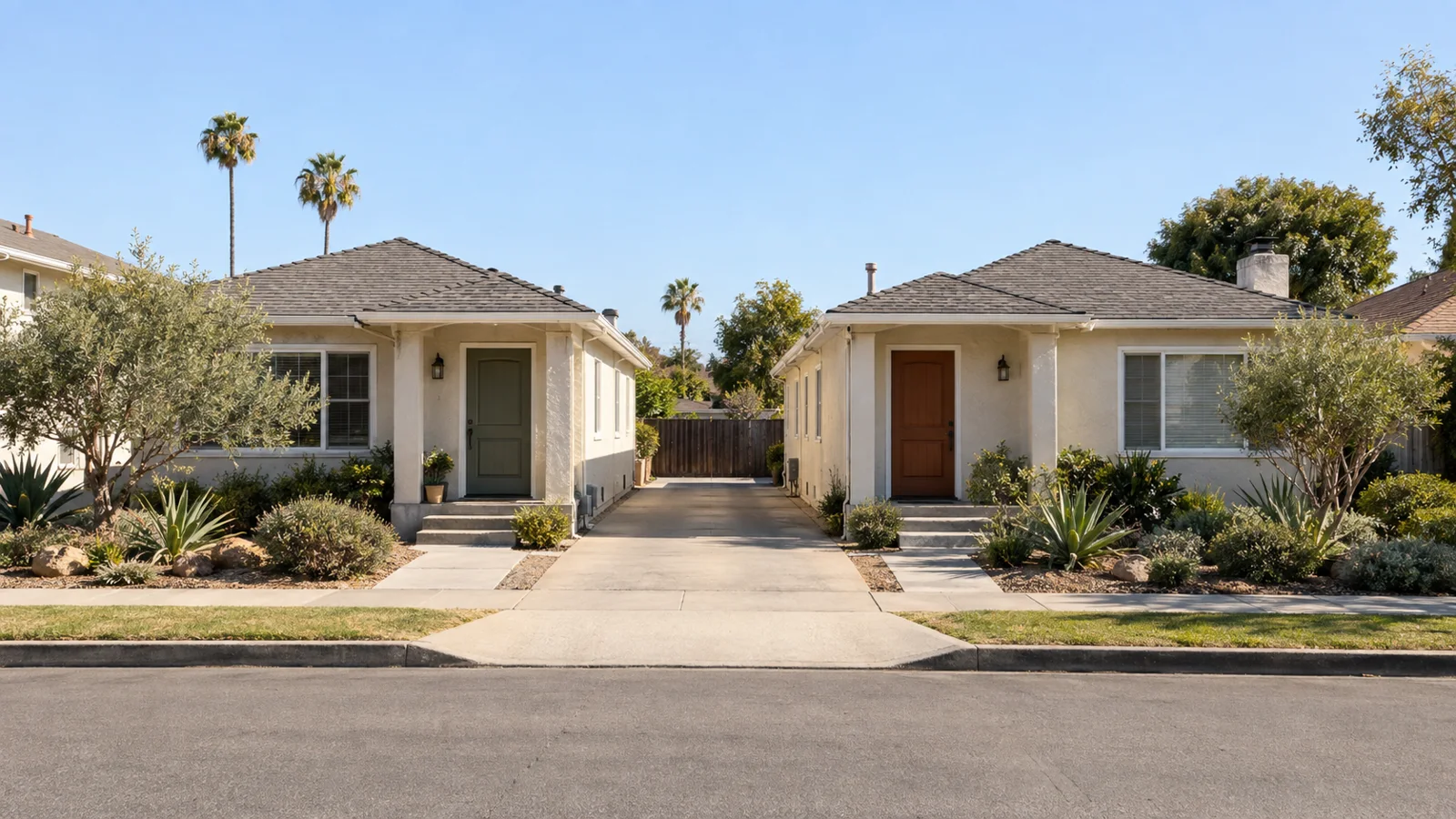
You buy with the minimum down payment available to someone who will live there, live in the property for a while, move on to the next one and the first becomes a rental. The realtors call it the best strategy to start with. It works — as long as you respect the occupancy requirements attached to those mortgages, which exist to prevent occupancy fraud.
 Episode 11 · Part 3 of 8
There's financing out there for almost every profile — but low credit means a bigger down payment and higher rates, and below a certain point, buying stops making sense. The credit score scale, what counts as "bad," the possible paths, and the red flags around companies that promise to clean up your name.
 Episode 3 · Part 6 of 6
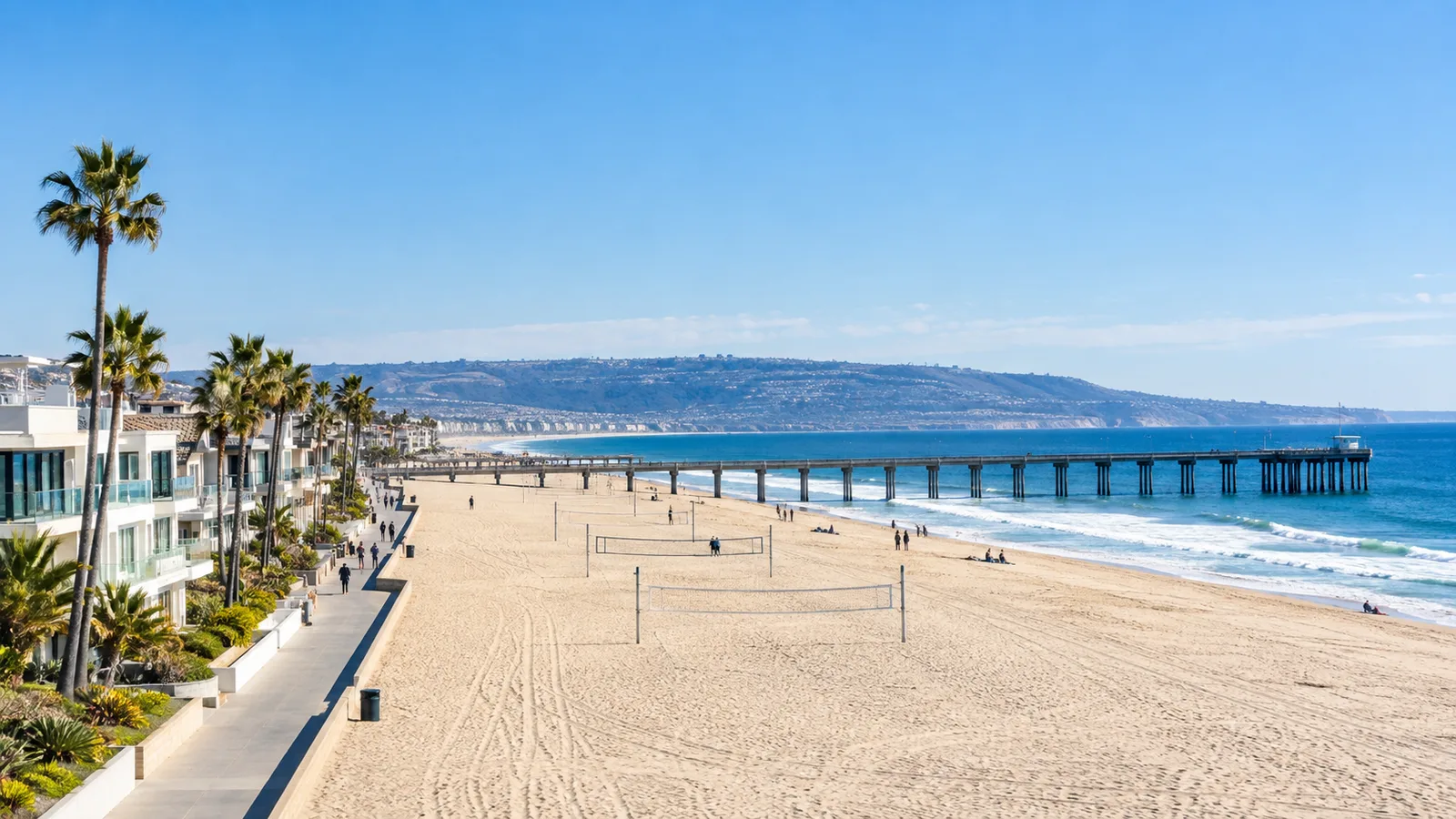
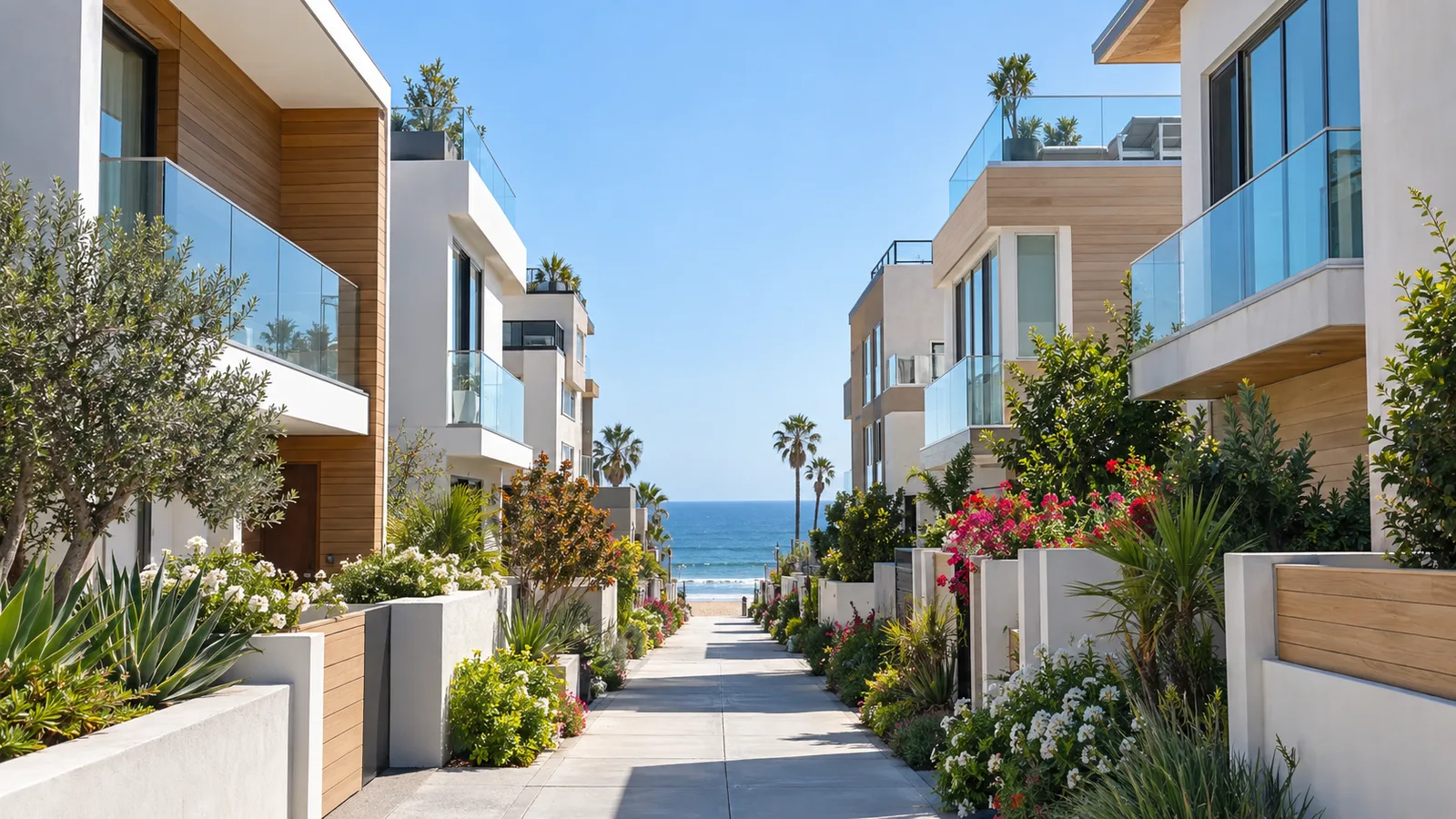
Narrow little houses facing the sand, pedestrian-only streets and mansions up on the hill. Dina Silveira introduces Manhattan Beach, one of the most sought-after cities in the South Bay — and explains why there, unlike Venice and Santa Monica, people buy to live.
Episode 3 · Part 1 of 6
The City of Los Angeles has a 'tail' that runs down to the port, surrounds Beverly Hills and swallows neighborhoods many people think are cities. Dina Silveira and Jason Lanzarini walk through the map — and explain why it determines the police, schools and rules for your home.
Episode 4 · Part 8 of 9
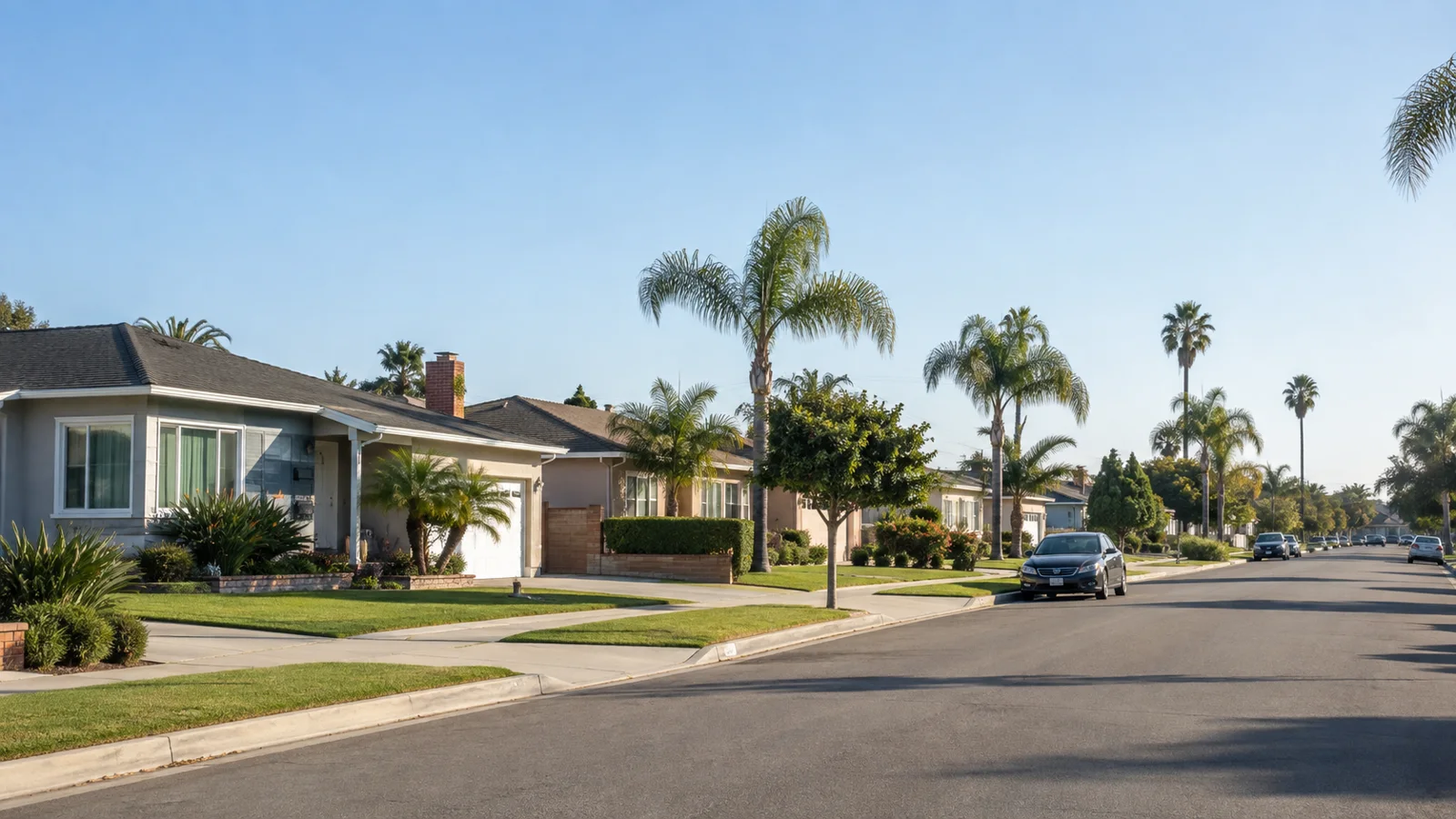
The largest city in LA's South Bay, Torrance is known for having excellent schools at a more affordable price than its coastal neighbors — even though it has a little-known stretch of beach. Meet the city that became an entry point for many Brazilians in the region.
 Episode 9 · Part 1 of 6
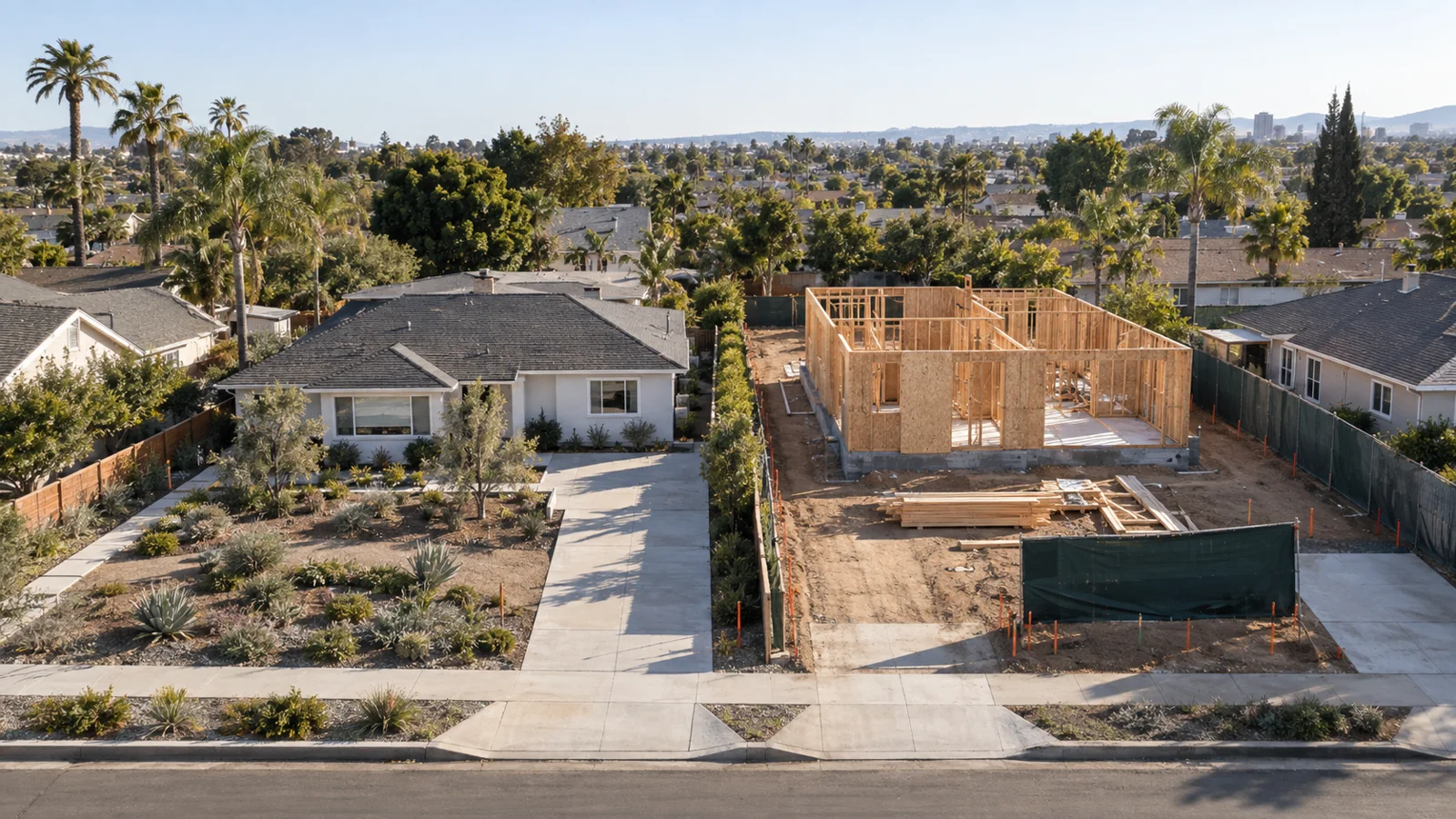
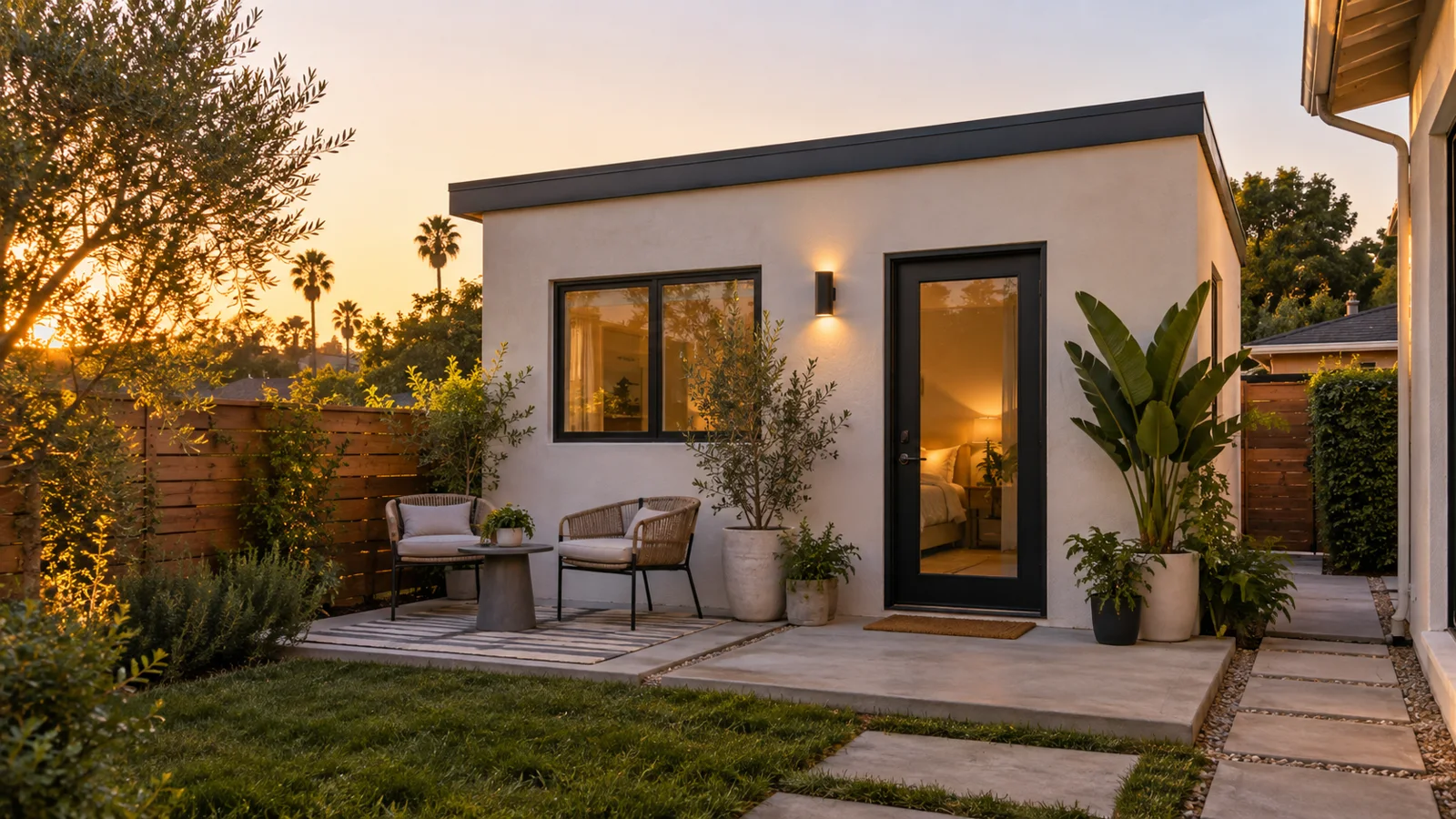
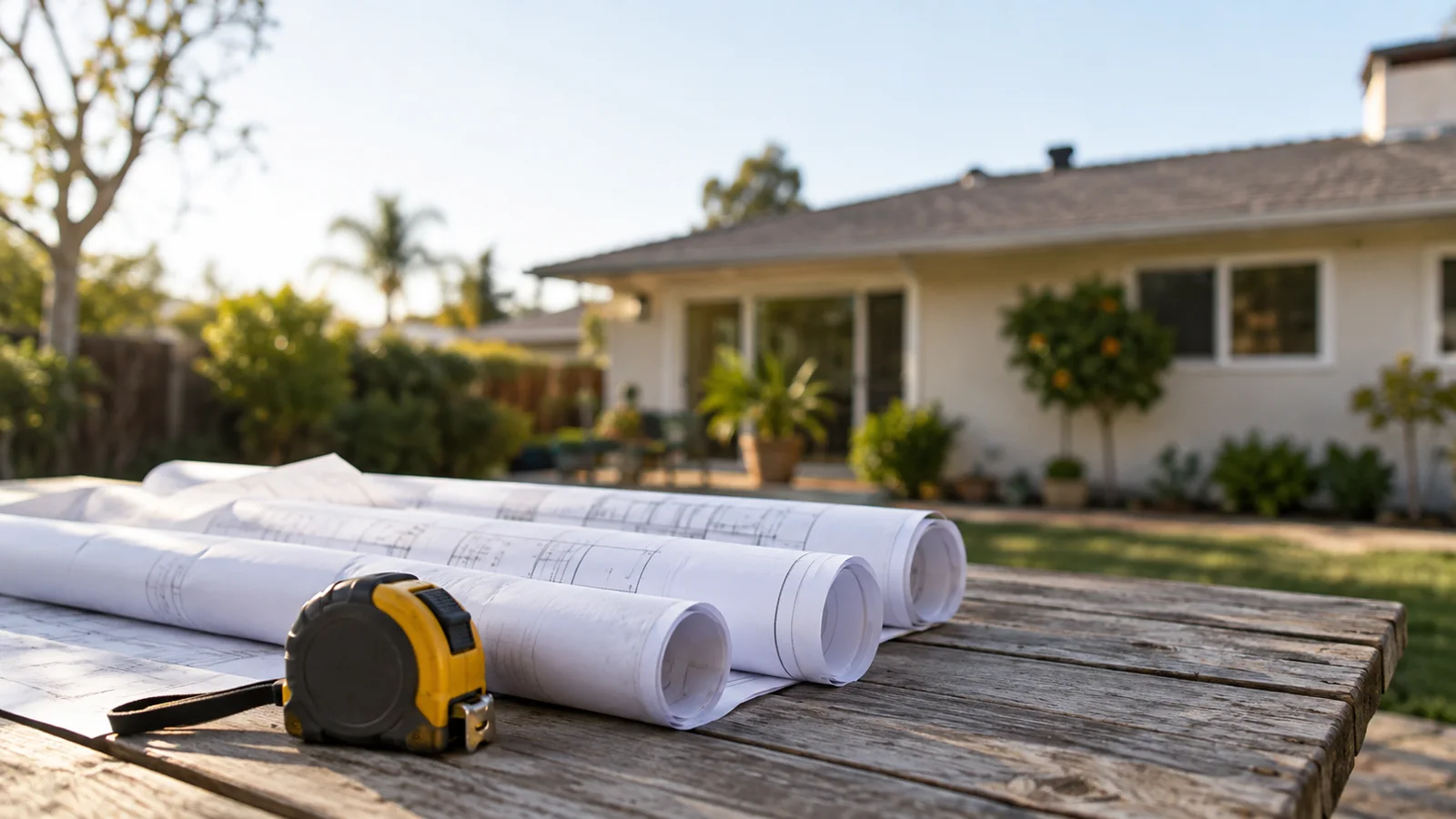
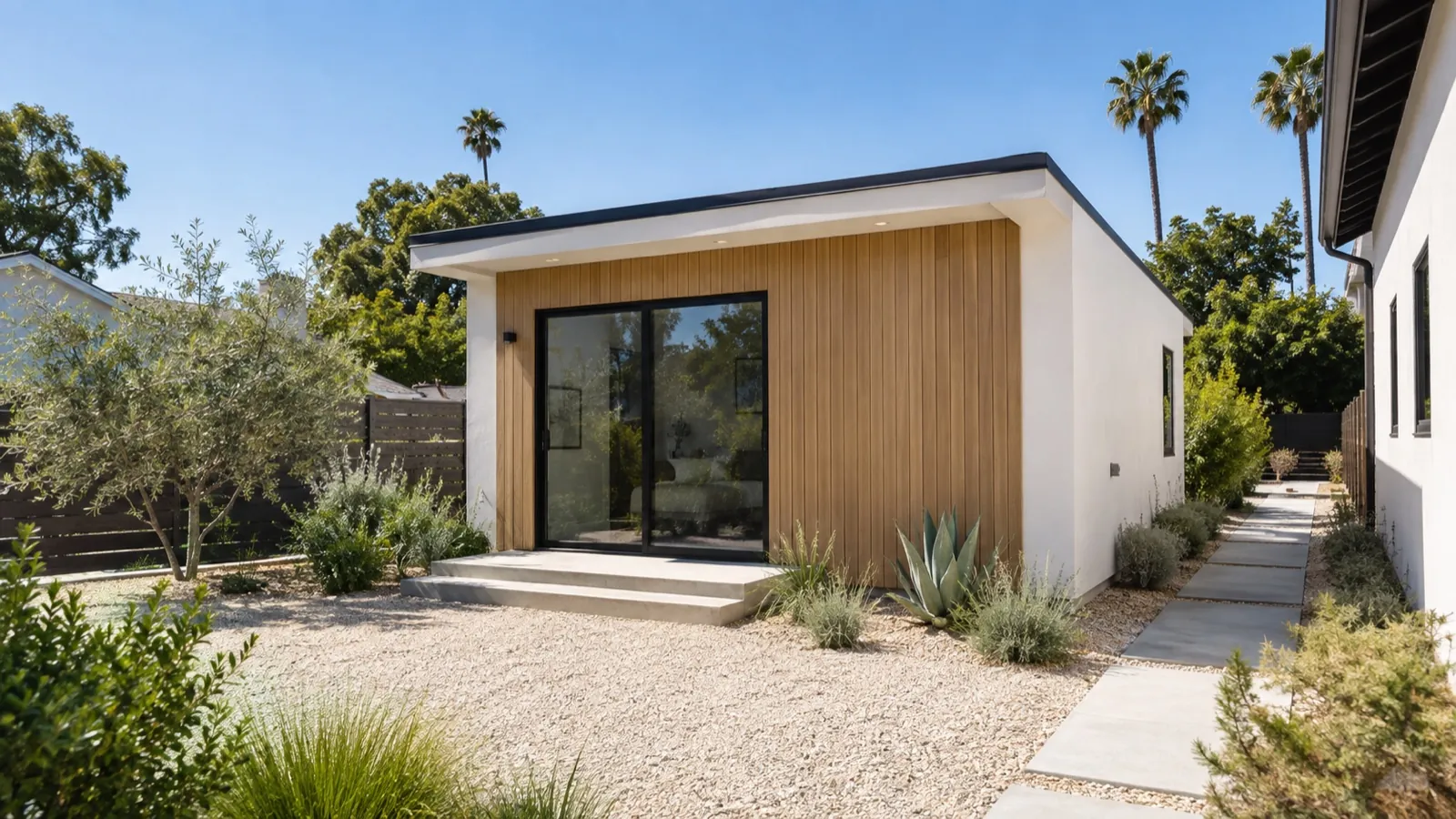
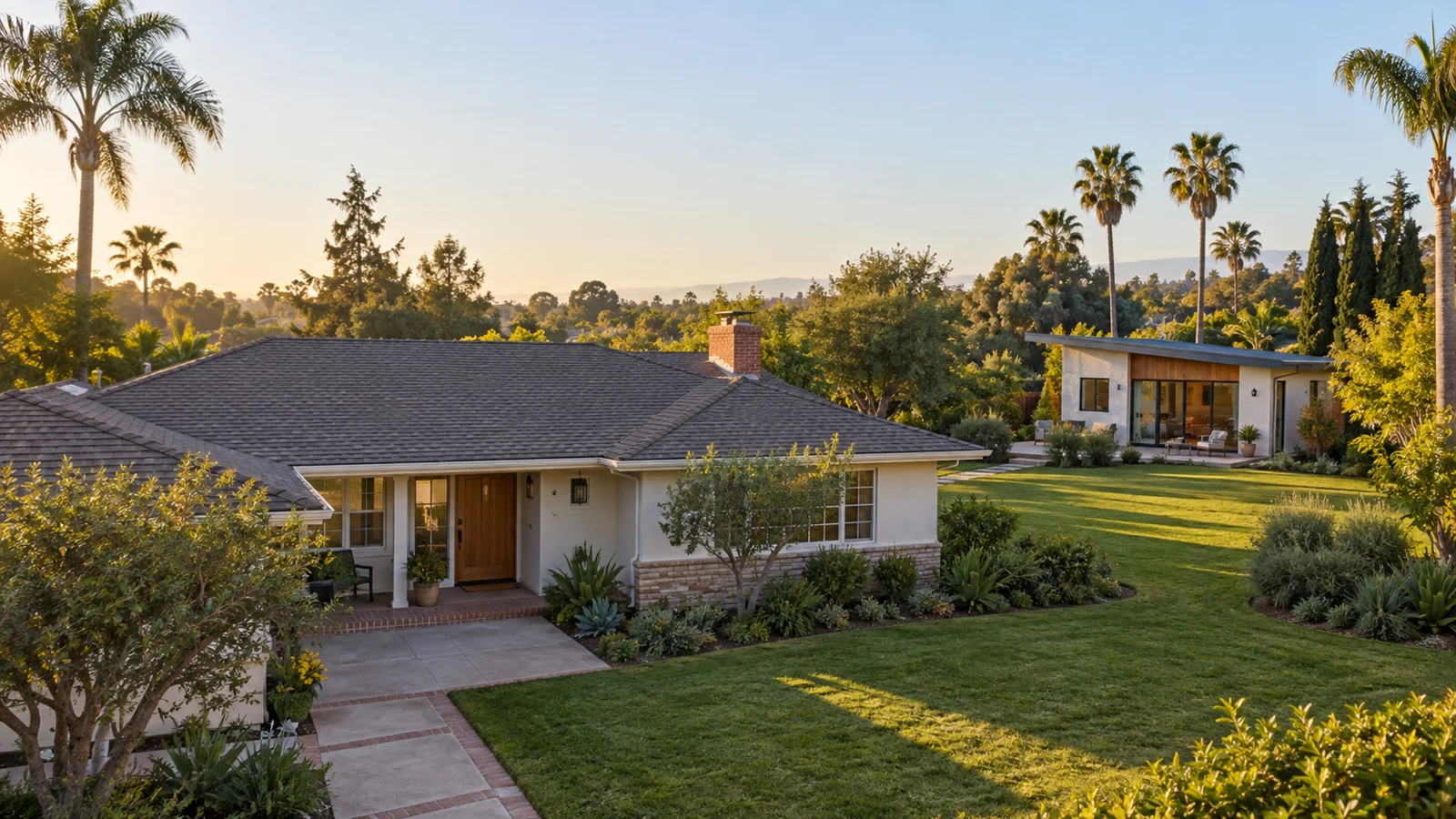
A state planned around big houses on big lots, decades of people arriving and very little building. The extra house in the backyard started out illegal, became law in 2017 and is today one of the state government's weapons to force cities to meet housing targets. Understanding that history helps you choose where to build.
 Episode 9 · Part 3 of 6
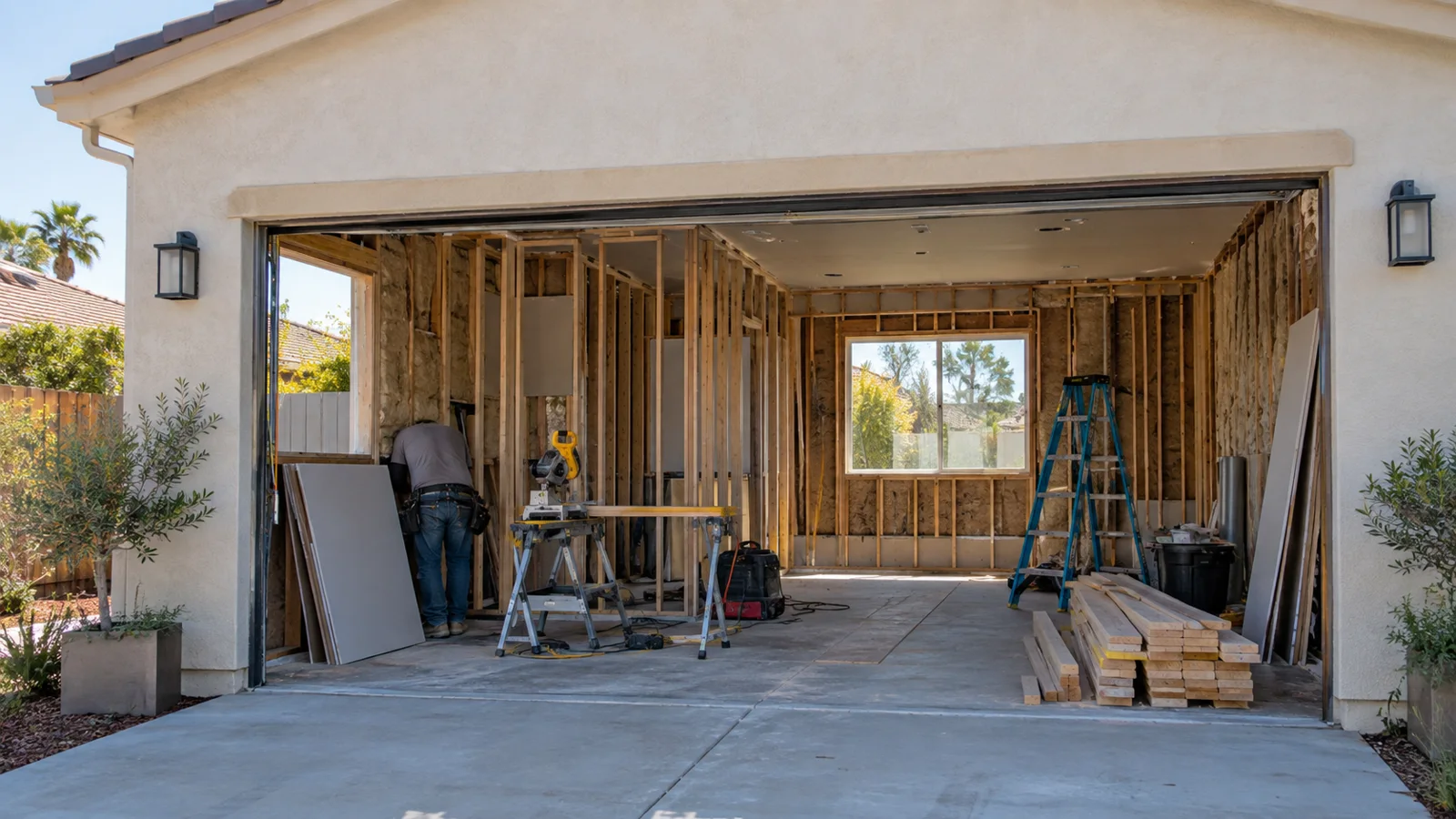
Converting the garage looks like the obvious shortcut: the walls and roof are already there. But a garage was built for a car, not for people, and a foundation with no footings can cost tens of thousands of dollars. The types of ADU, the dimensions state law guarantees and what should weigh on the choice.
 Episode 10 · Part 5 of 7
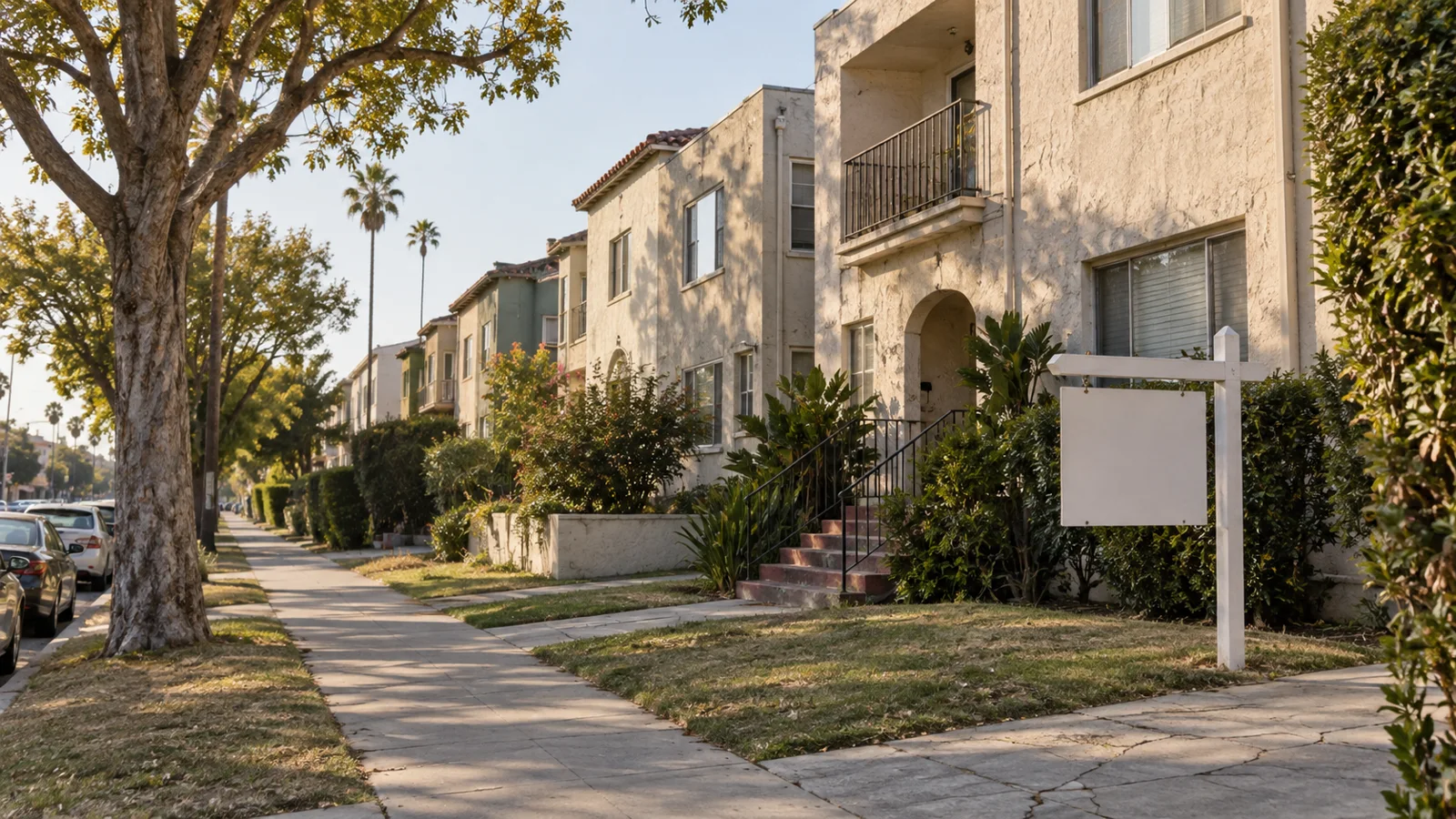
Anyone living in a rent-controlled apartment thinks twice before buying — the payment barely goes up. But the cap on increases depends on where the property is, when it was built and who owns it. State law, the City of Los Angeles rule, and what happens when the tenant moves out.
 Episode 8 · Part 3 of 6
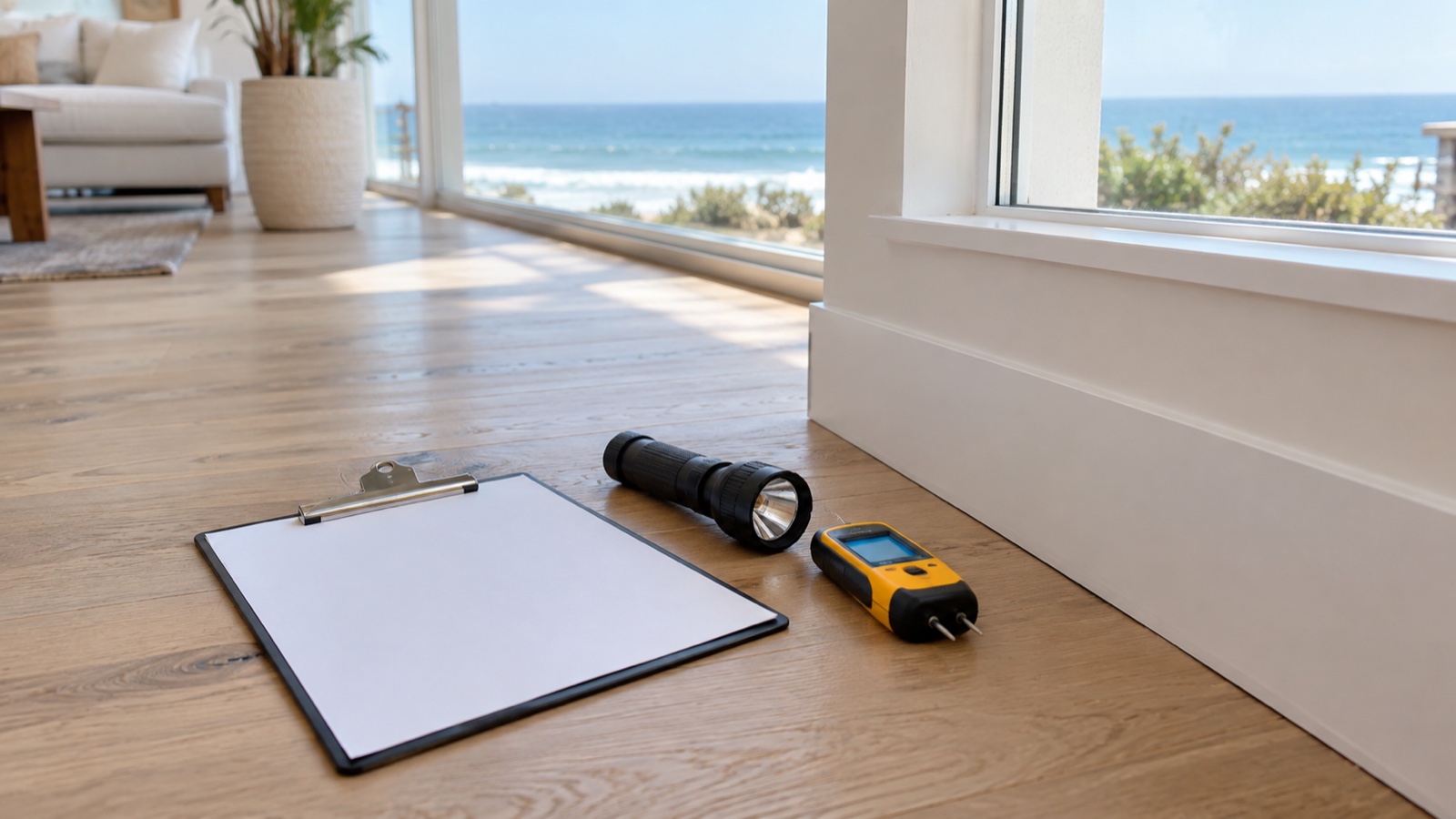
A report with 40 findings doesn't mean the house is bad — and an item flagged red can cost three dollars. How to read the inspector's report, the most common defects in new construction, the small items that save lives, and the inspections a general inspector does not do.
 Episode 8 · Part 2 of 6
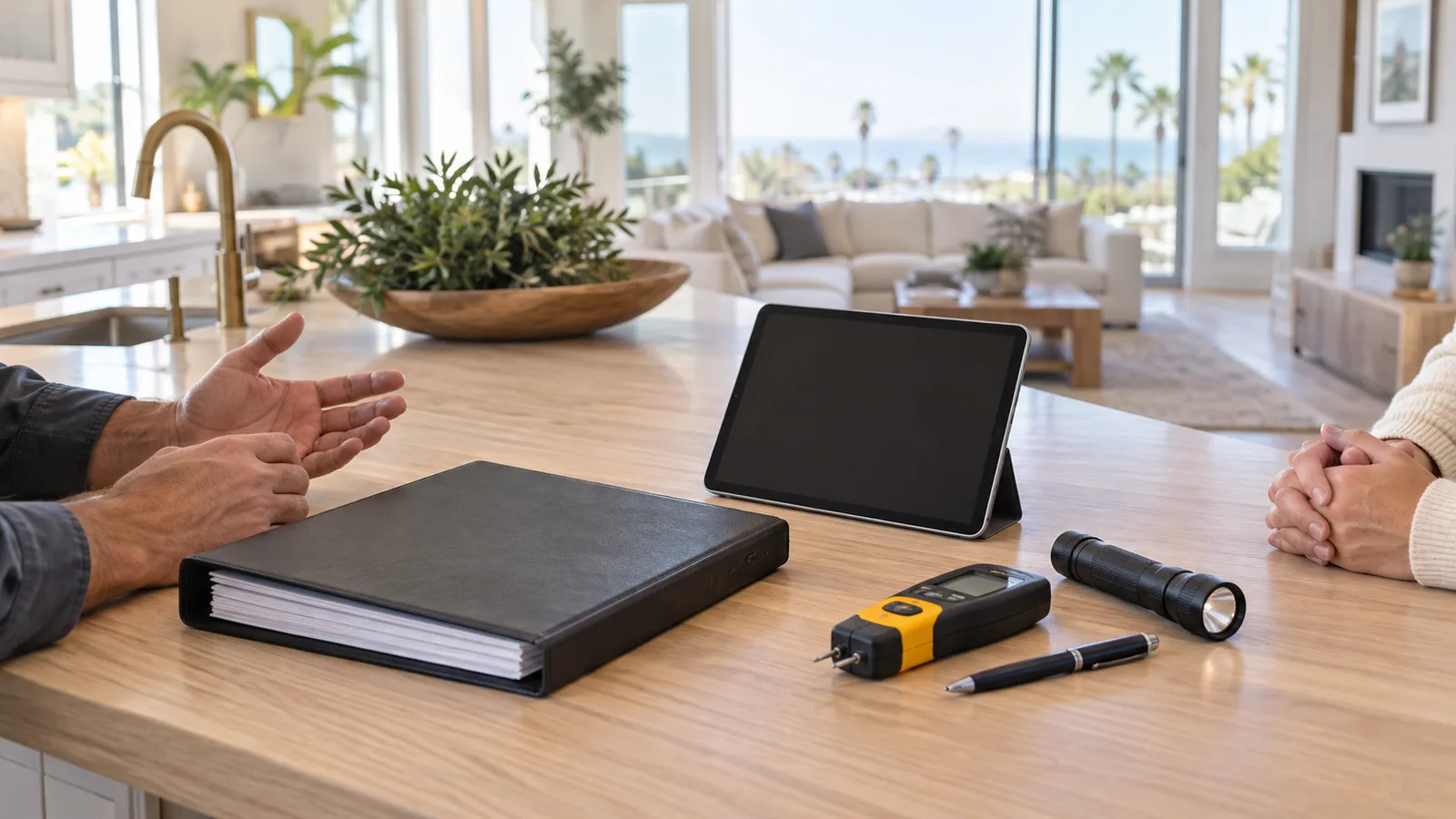
California does not require a state license for home inspectors — but it does have a law against conflicts of interest. What to check before you hire, why hands-on construction experience matters, and the one question no inspector should answer.
 Episode 8 · Part 1 of 6
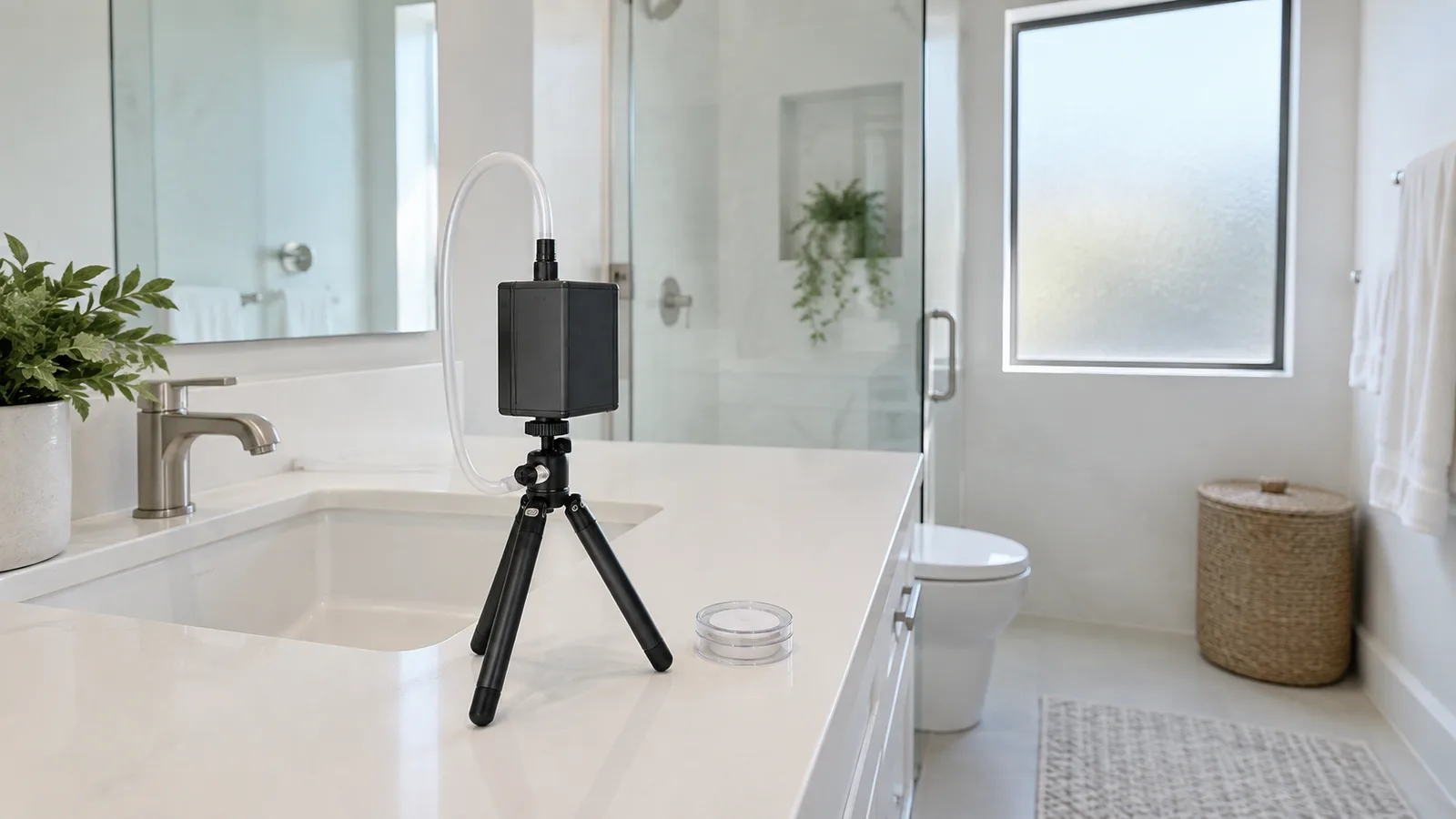
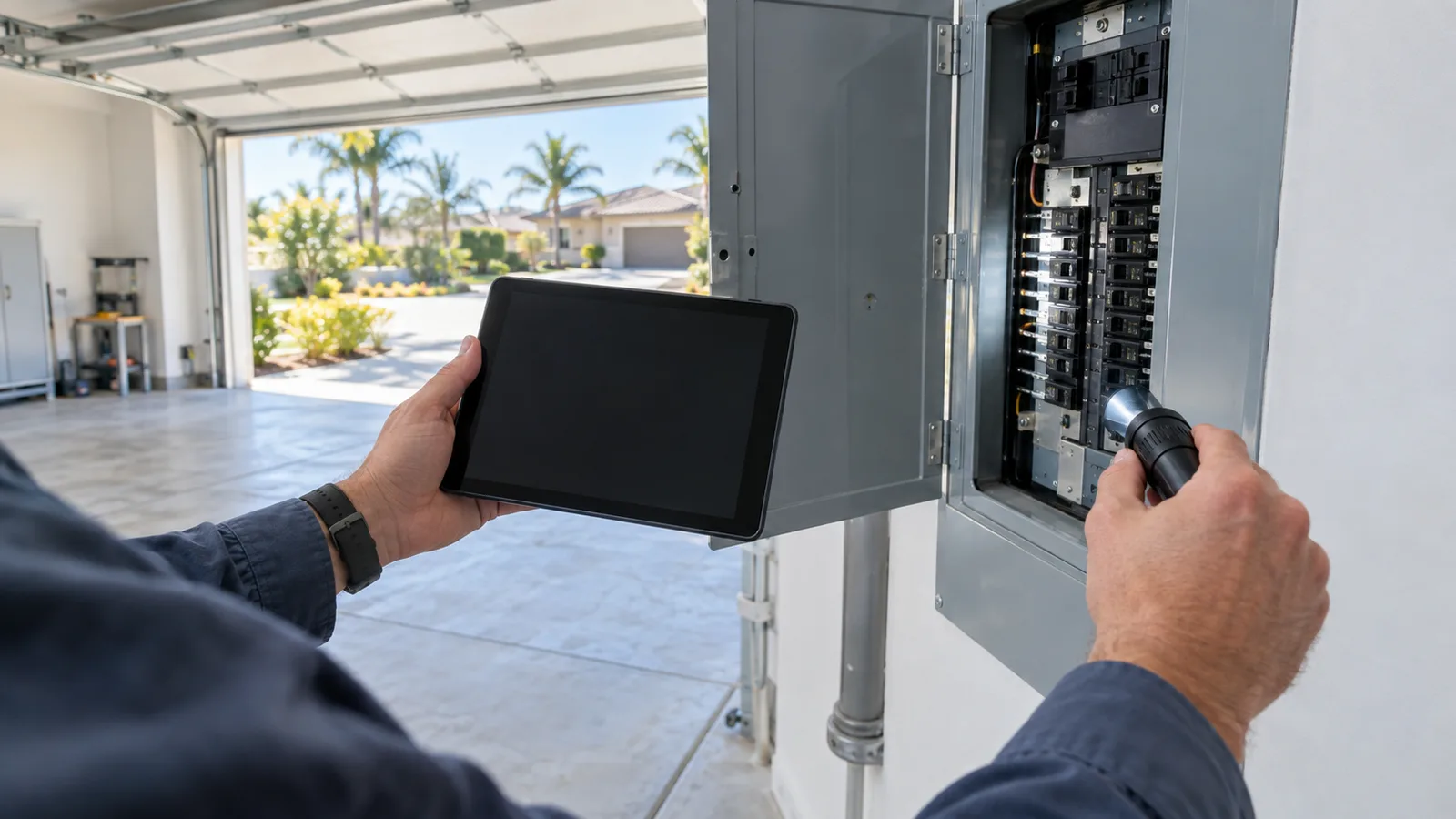
Roof, electrical panel, plumbing and air conditioning. More and more insurers are sending an inspector to the house before they will issue or renew a policy — and certain older items, like Zinsco panels and galvanized pipes, are common grounds for refusal until they are replaced.
 Episode 11 · Part 1 of 8
The show's realtors are betting on stability, not a crash: too few homes for sale, years-long construction timelines, and buyers who come right back once prices ease. The reasoning behind that read, what's changed in lending since 2008, and why the Airbnb desert tells a different story.
 Episode 9 · Part 4 of 6
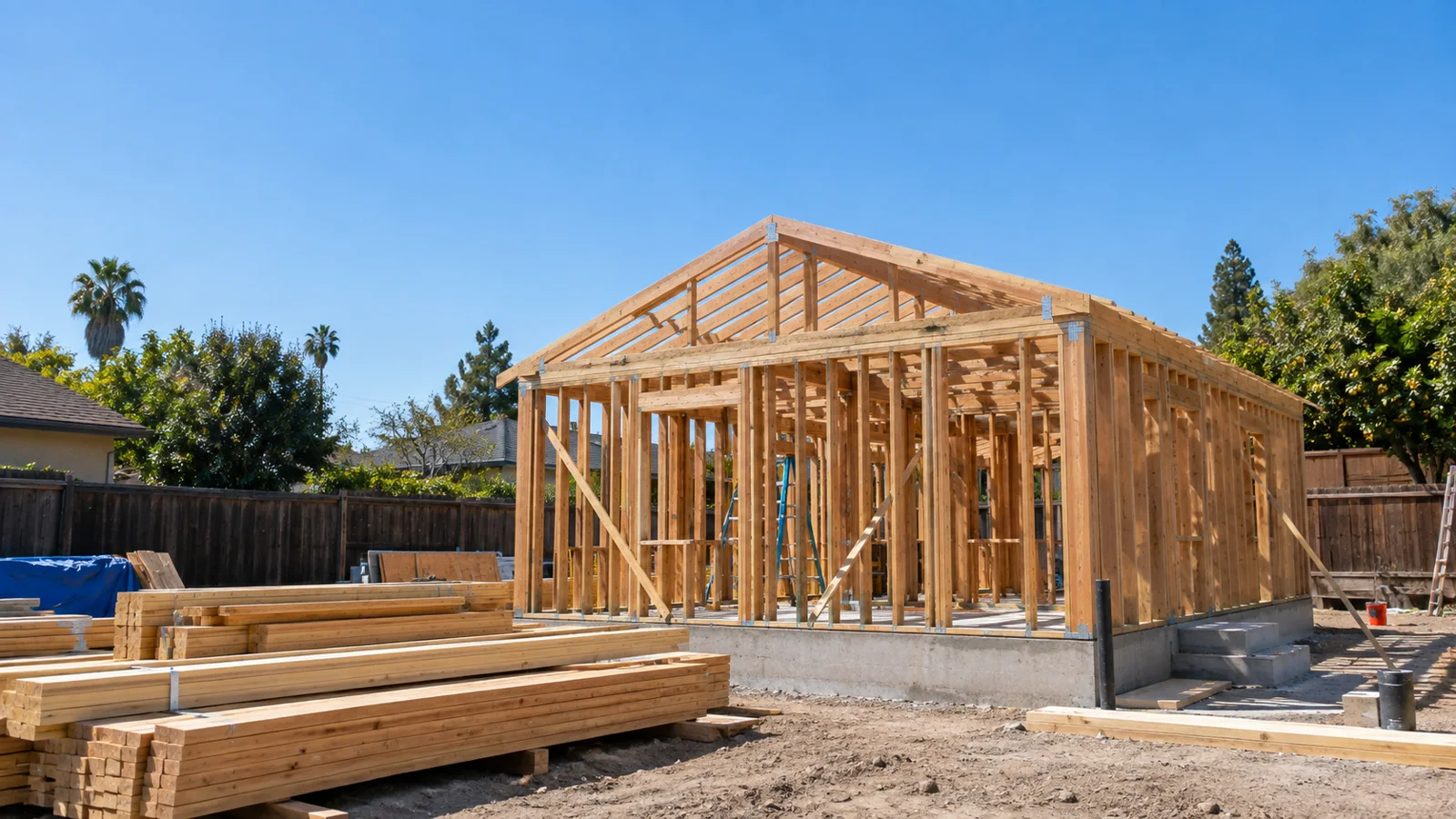
The quick answer — $200 to $300 per square foot with a licensed contractor — leaves out what pushes some units to $500: a sloped lot, a sewage pump, retaining walls. A small unit costs more per square foot, and construction takes six to eight months, with a city inspection at every stage.
 Episode 12 · Part 3 of 5
The average hovers around $3 million, but what matters is what each price range buys. The numbers at the time of recording, how to read inventory and sales, and the choice Dina Silveira would make with the average price: a little farther from the sand, in exchange for more space and a newer house.
 Episode 3 · Part 3 of 6
The 405 is one of Los Angeles's worst bottlenecks. In January 2026, Metro approved an underground subway linking the San Fernando Valley to the Westside. Dina Silveira and Jason Lanzarini explain the project, the toll lanes and carpooling — and why the car is still king.
 Episode 3 · Part 5 of 6
A barbecue for entertaining friends, partying until sunrise, relatives dropping by unannounced. Dina Silveira and Jason Lanzarini talk about what Brazilians imagine before moving — and how social life really works in Los Angeles.
 Episode 16 · Part 5 of 7
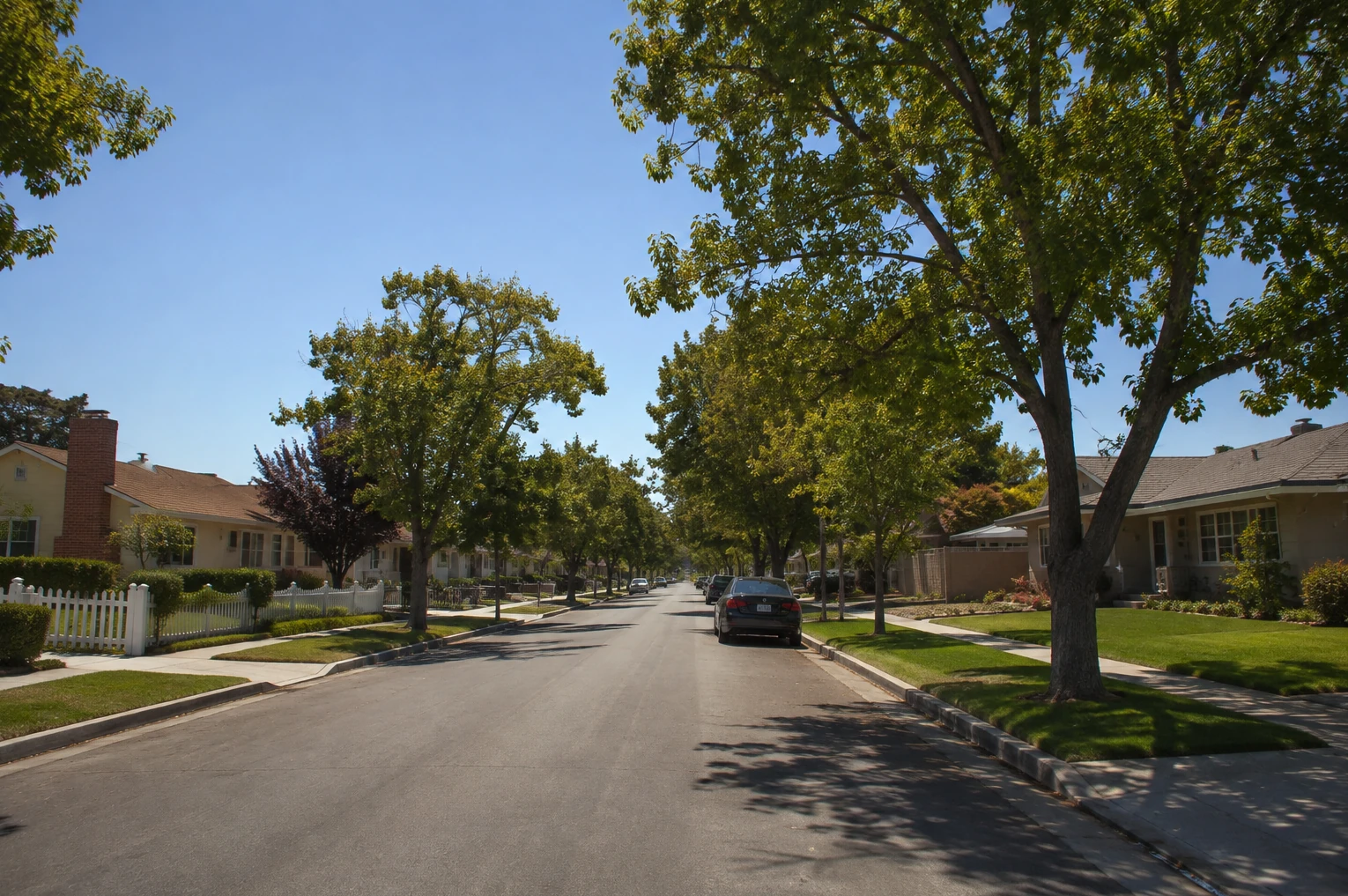
In Brazil, a high wall signals a valuable property. In California it's the opposite: the most desirable areas have open lawns and glass windows. Understand the inversion, what the street really indicates and — what no one mentions — where that reading fails and what to check in hard data.
 Episode 14 · Part 3 of 7
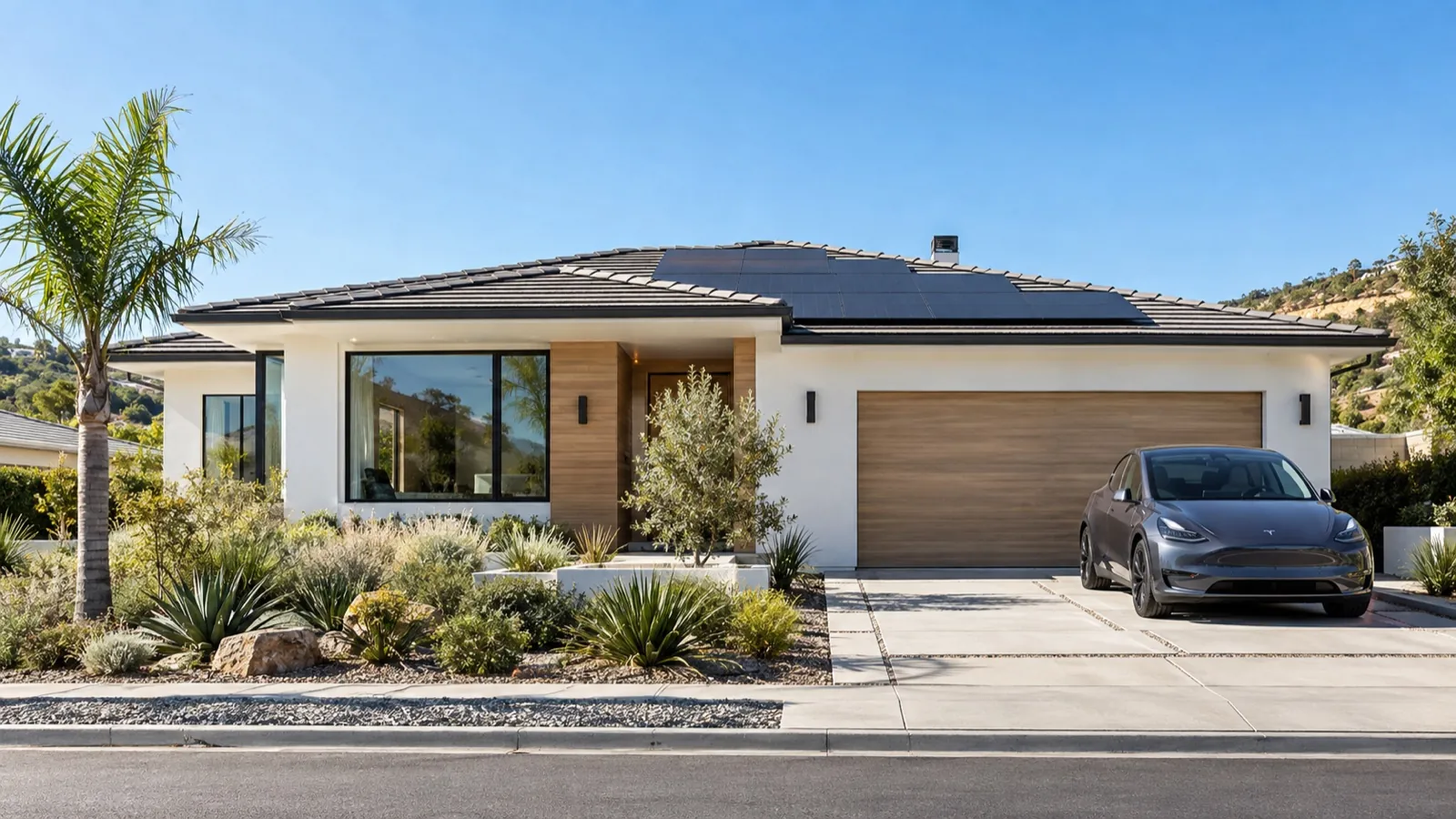
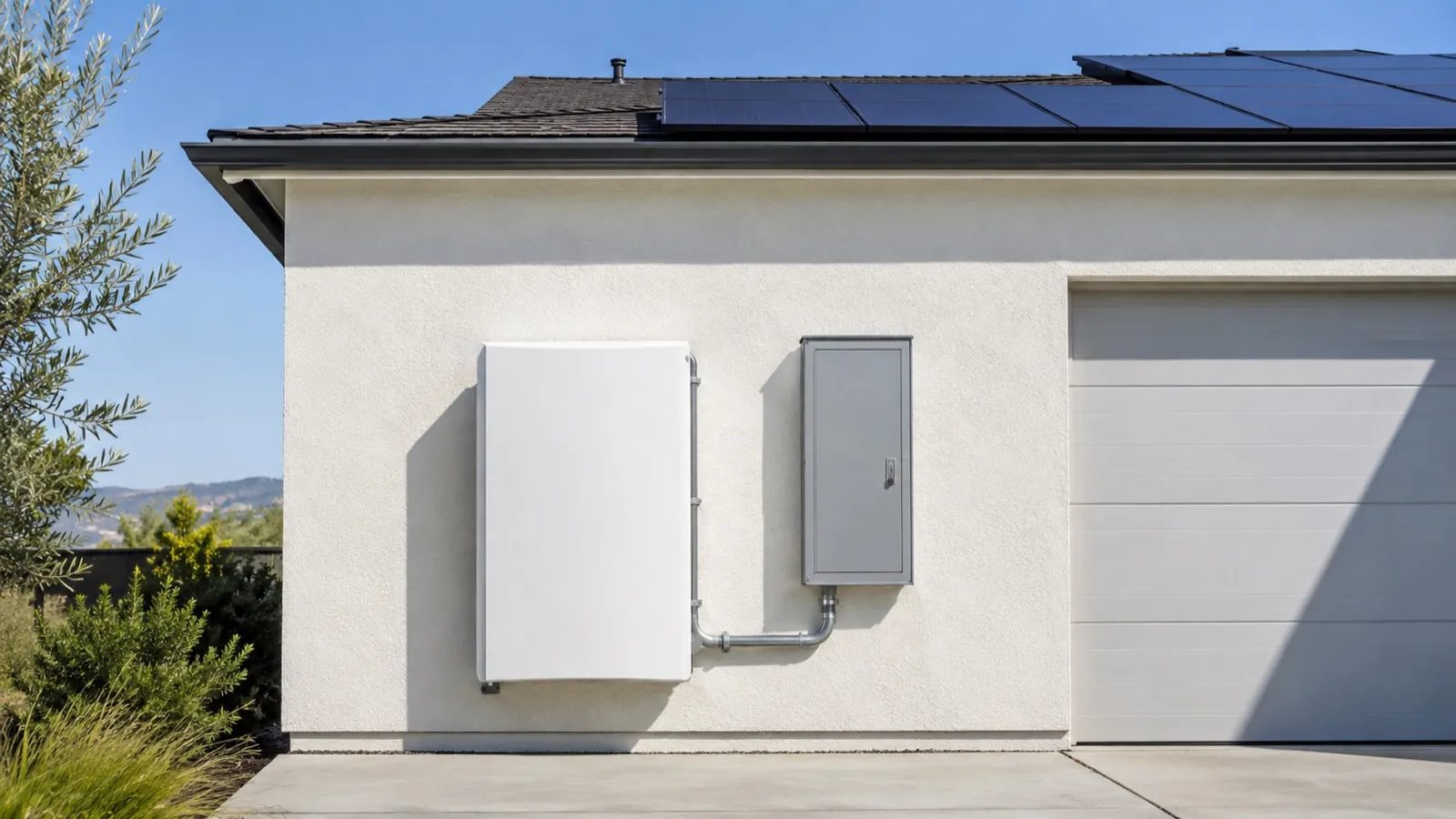
People who installed solar panels years ago sometimes got checks from the utility. Since April 2023, energy exported to the grid earns about 75% less. The system's logic has changed: the value is in using your own energy, not selling it.
 Episode 14 · Part 2 of 7
Two identical houses may need 20 or 35 panels. What decides it is what runs inside them, and some of the biggest energy hogs almost never make it into a buyer's math.
 Episode 14 · Part 7 of 7
The solar market grew fast and attracted salespeople who vanish after getting paid, size systems wrong to close the sale or promise "free panels." Seniors are frequent targets, but even builders get burned. A checklist for vetting the company before you sign.