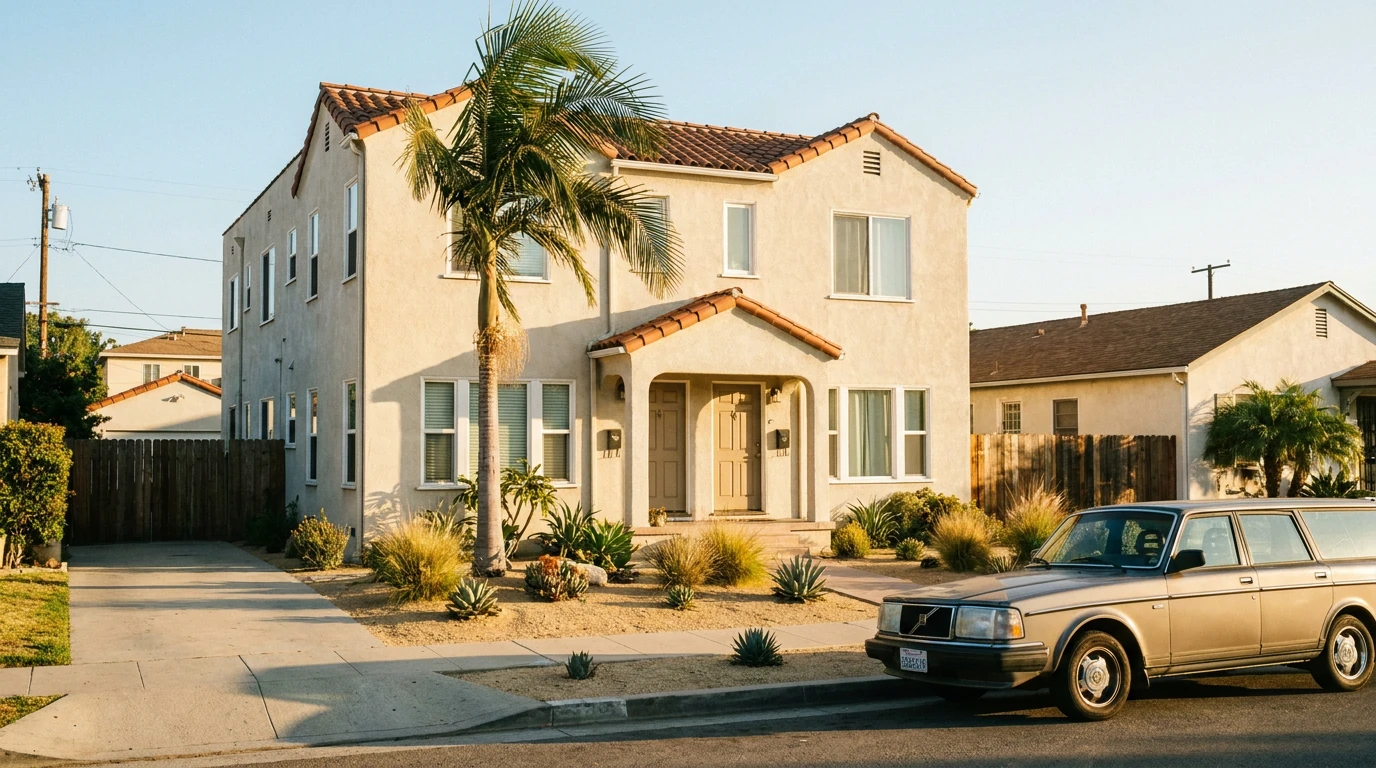
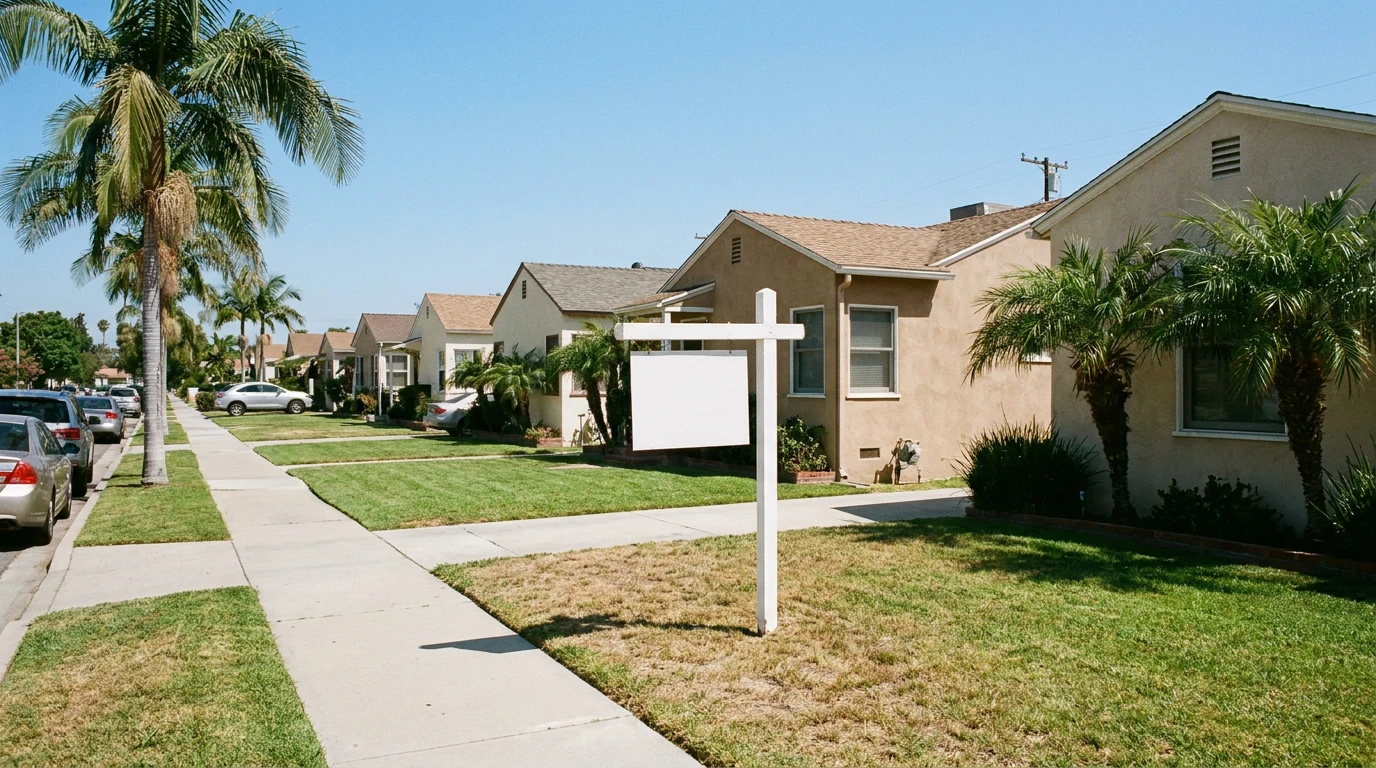
The topics of each episode, written for you to read at your own pace.
 Rules & Permits
An old leak, a fight with the neighbor, unpermitted work, a death on the property. California law requires the seller to answer in writing — and whoever hides a known defect answers for the loss after the sale.
 Maintenance & Inspection
The report arrived with a list. From it, the buyer can renegotiate the price, ask for a credit at closing, demand the repair — or leave the deal with the deposit back. The seller, by contract, is not required to respond at all.
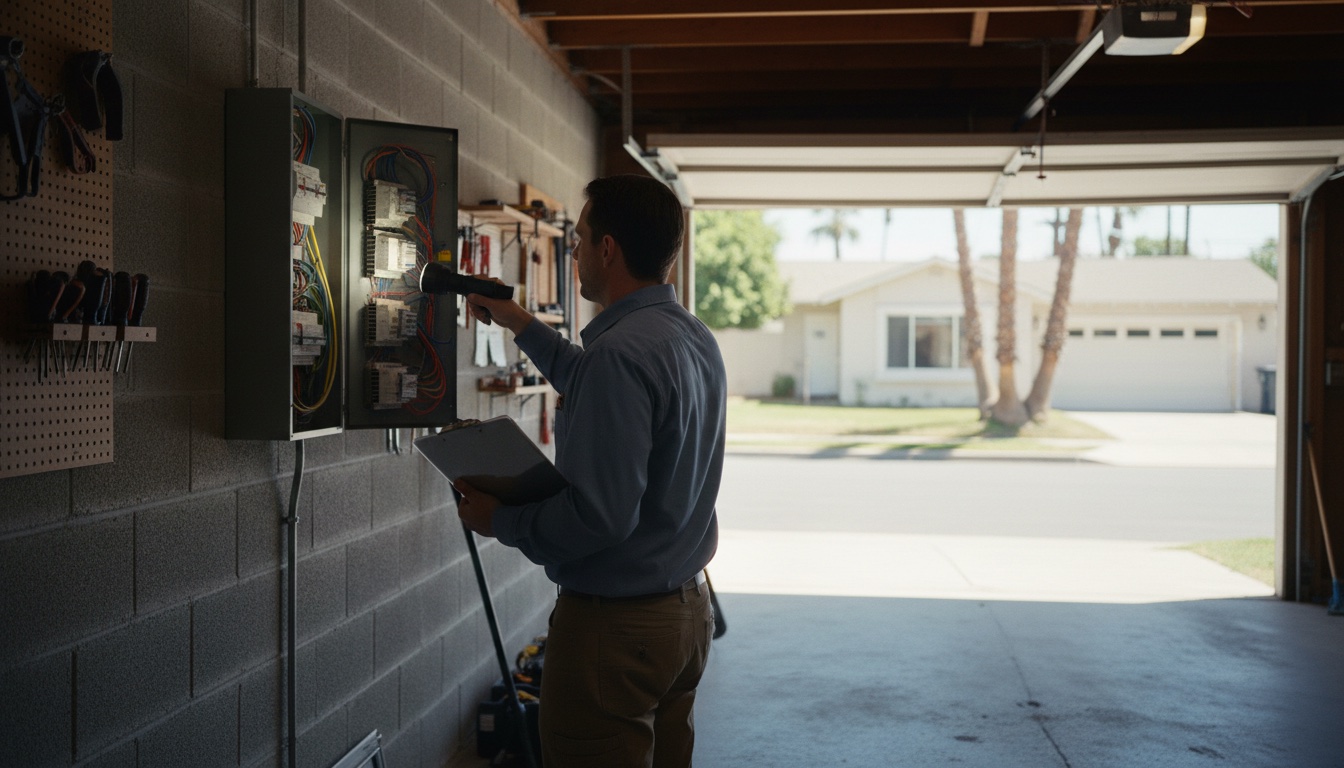 Maintenance & Inspection
Seventeen days as the standard deadline, a few hundred dollars and a report that runs past 90 pages. It isn't required by law — and it's done in practically every purchase, for a very concrete reason.
 Episode 18 · Part 9 of 10
The pre-qualification letter is good for about 60 days, but the real approval only comes at the end. The bank pulls your credit again on the eve of closing — and a new debt in that window sinks the loan that already looked guaranteed.
 Episode 18 · Part 2 of 10
In California there is no verbal offer. If you like the house, you sign a contract with dozens of clauses covering price, deadlines and conditions — and if the seller signs it back, what is closed is the contract, not the purchase.
 Episode 18 · Part 3 of 10
The deposit does not land in the account of the person selling. It goes to a licensed, neutral company that holds money and documents until the last condition of the contract is met — and returns it if the deal falls through for a reason the contract foresaw.
 Episode 18 · Part 10 of 10
In Costa Mesa, six offers on the same house — and the highest one wasn't his. What settled it was a timeline: closing in 10 days instead of the usual 30, backed by a lender willing to pick up the phone when the other agent called.
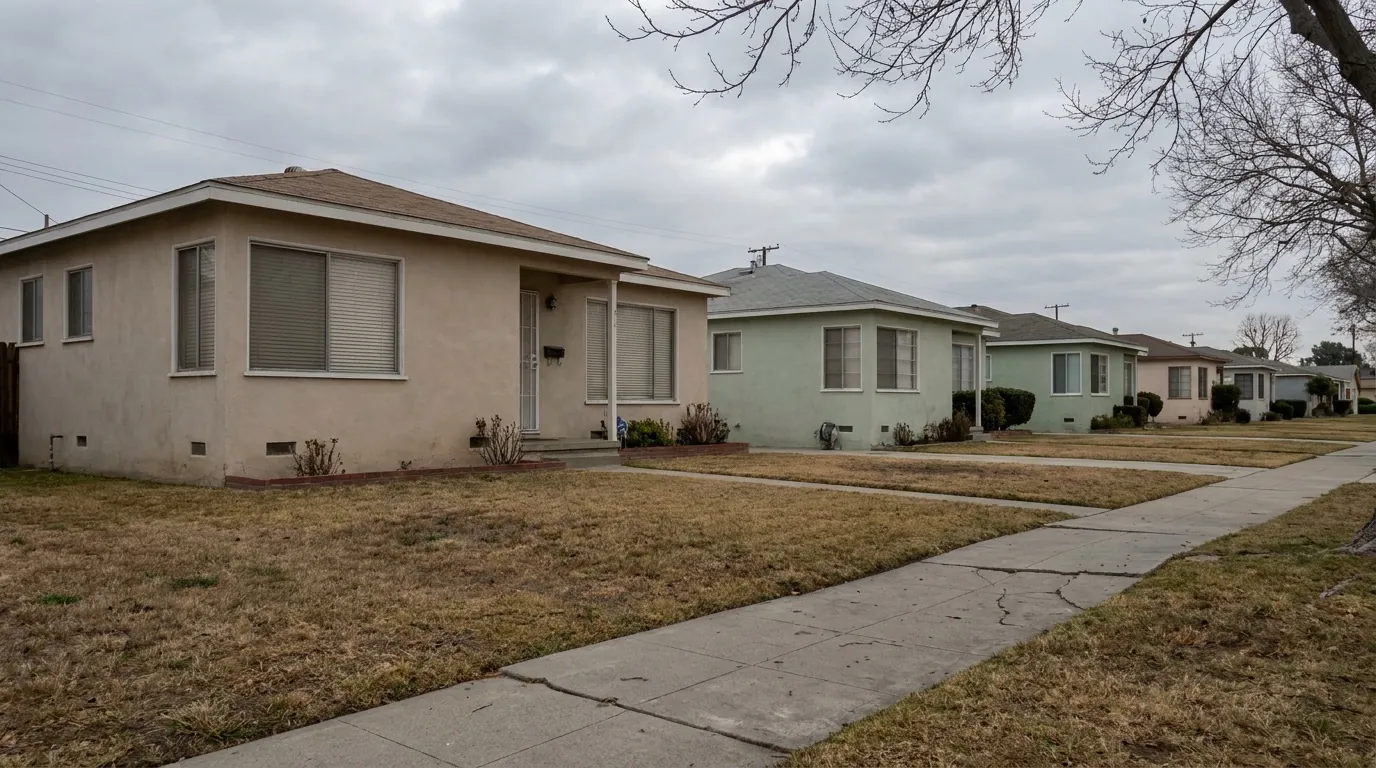 Episode 17 · Part 2 of 7
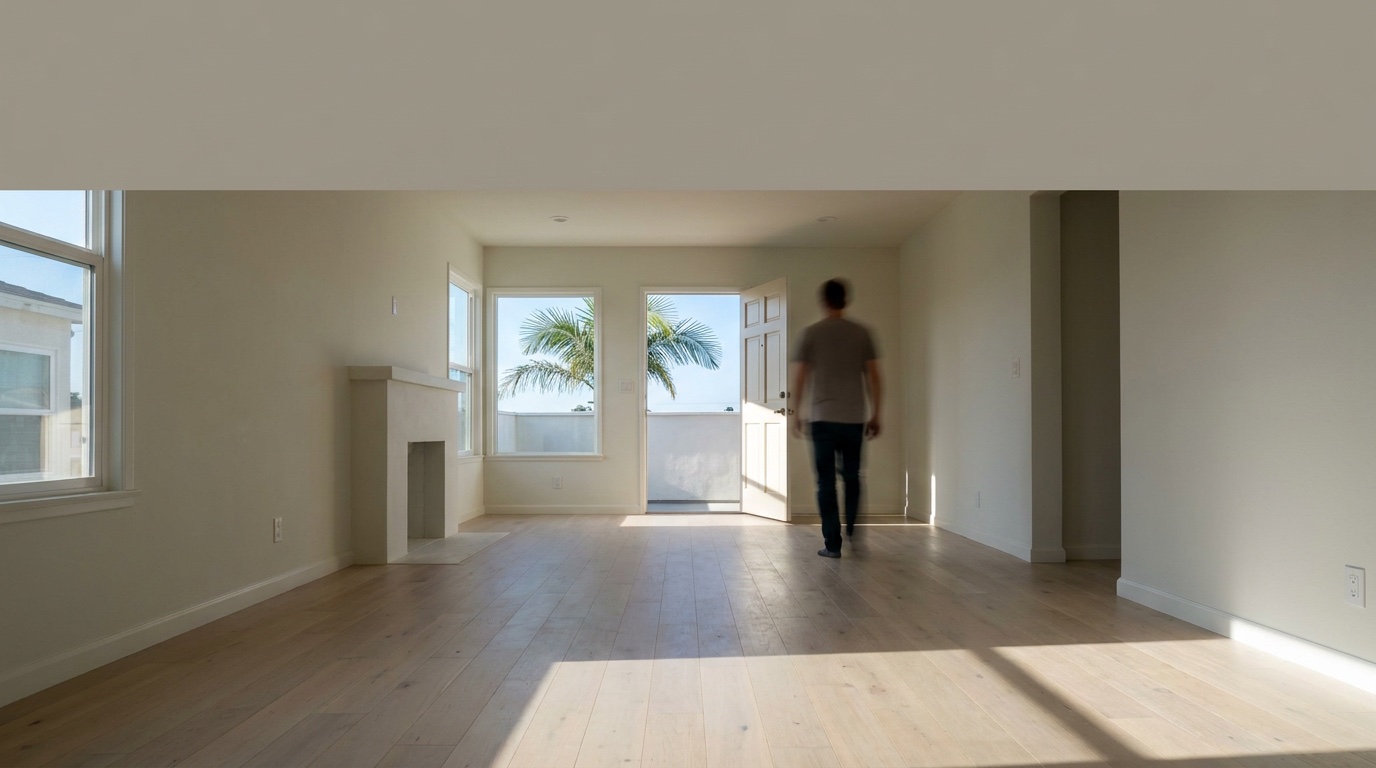
What broke in 2008 was not home prices — it was credit. The three practices that built the bubble, the rules that outlawed them, and why today's picture, with fixed rates and scarce supply, is structurally different.
 Episode 17 · Part 3 of 7
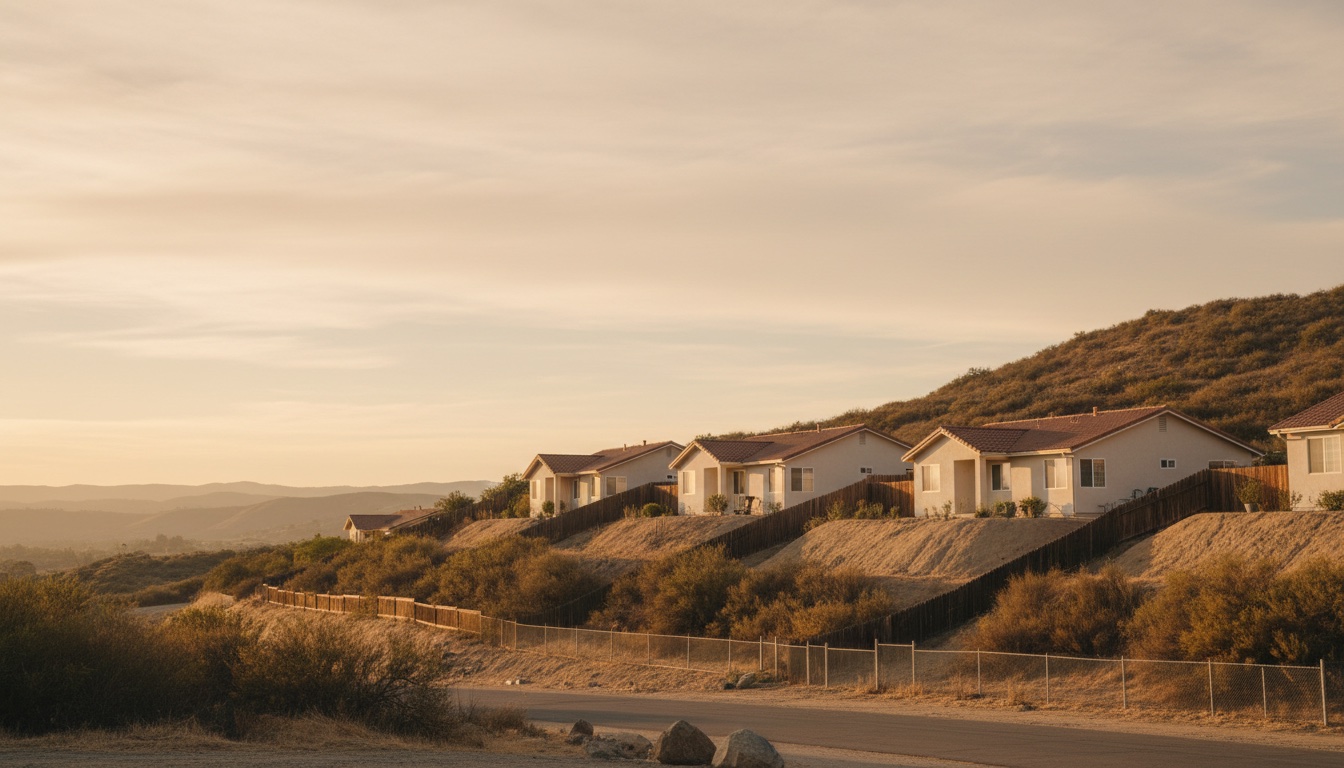
In Orange County, a good home goes into contract within days — and the same indicator that reveals it exposes the property listed above its price. What the metric actually measures, why sources diverge and how it changes your offer.
 Episode 18 · Part 8 of 10
Before closing, the seller is required to disclose whether the house sits in one of the six hazard zones mapped by the state. In the California of 2026, that paper stopped being paperwork: it sets the price of insurance — and, at some addresses, whether the financing happens at all.
Episode 18 · Part 7 of 10
An old leak, a fight with the neighbor, unpermitted work, a death on the property. California law requires the seller to answer in writing — and whoever hides a known defect answers for the loss after the sale.
 Episode 15 · Part 2 of 8
The topic comes up briefly on the episode and deserves the full context: the EB-5 is an investor visa that requires investing in a job-creating business. A home of your own, on its own, doesn't count — and neither does the property's appreciation.
 Episode 18 · Part 1 of 10
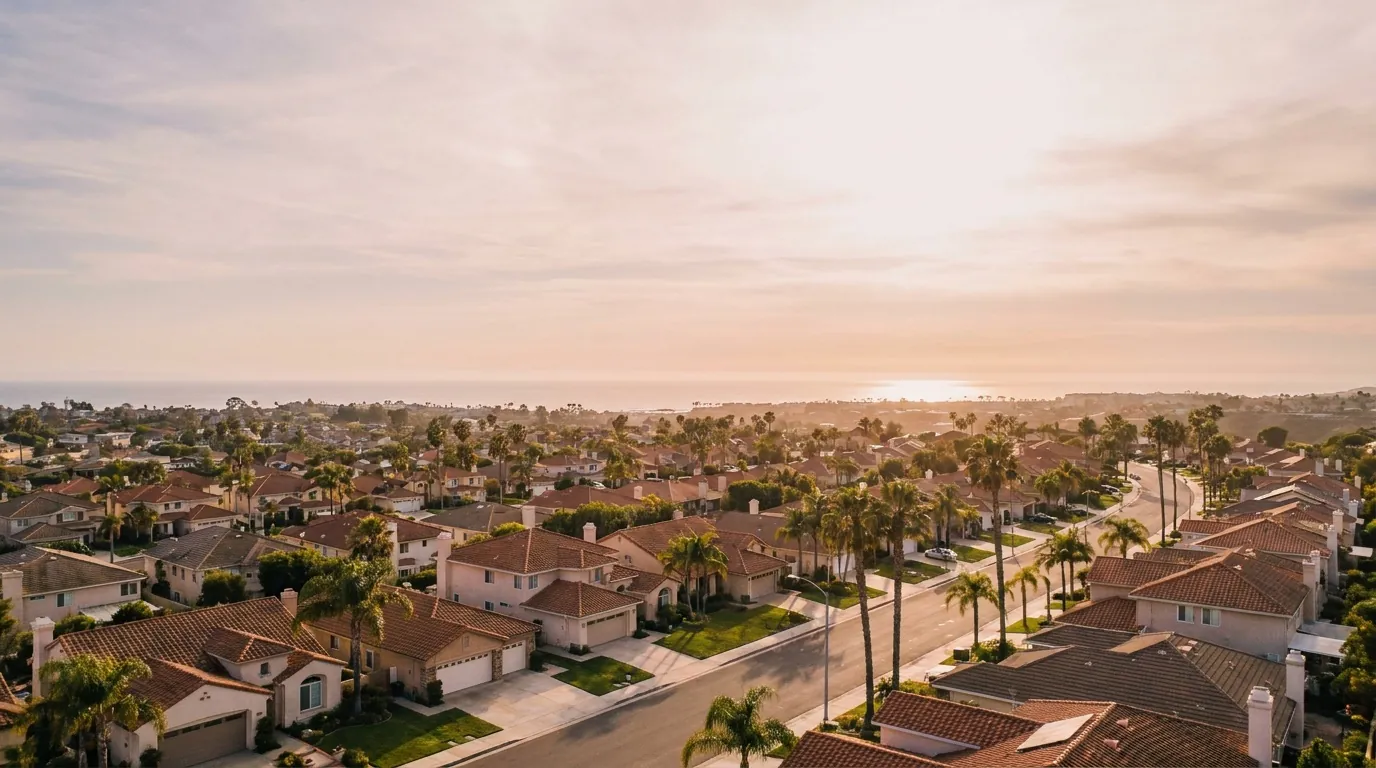
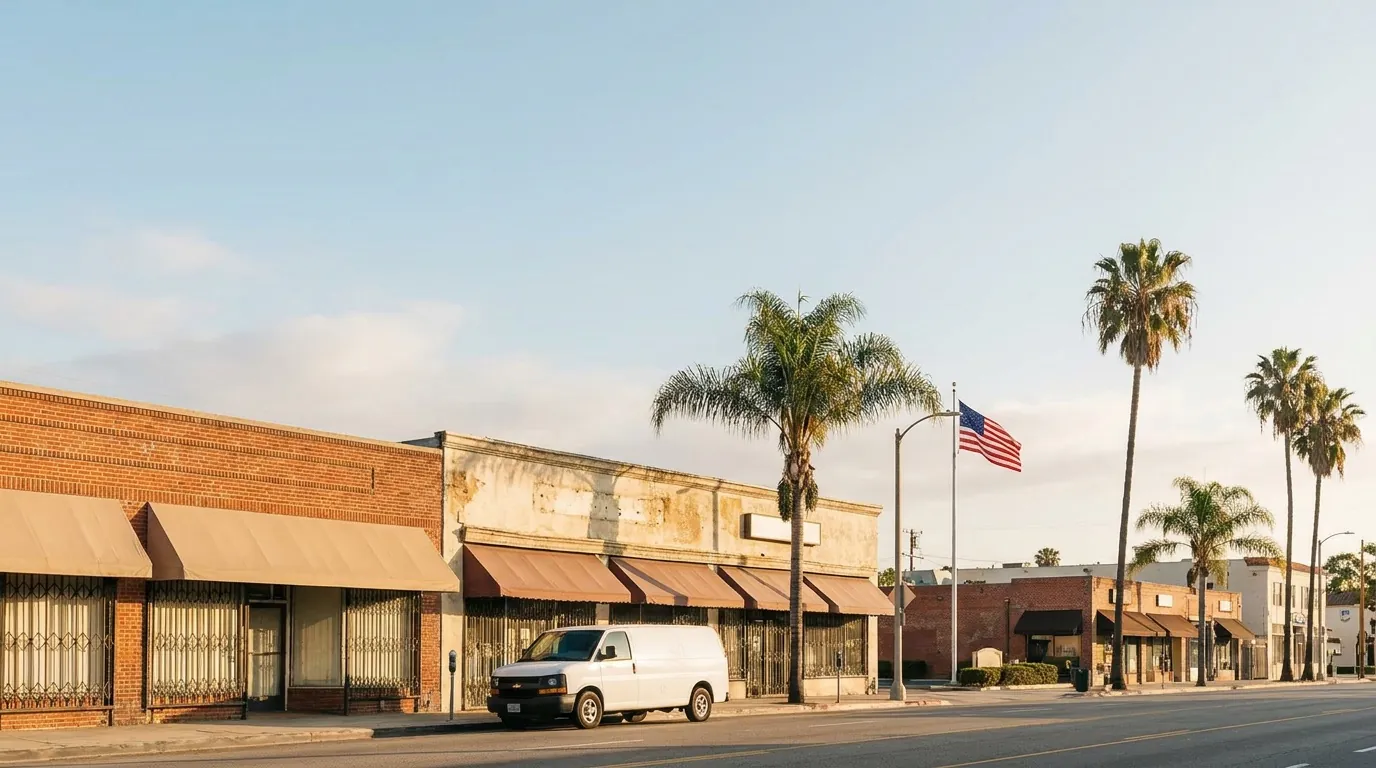
Newport Beach, Huntington, Dana Point, San Clemente — and, right behind them, Costa Mesa and Irvine. The Orange County coast became the destination for people leaving greater Los Angeles in search of less density, and the price per square foot followed.
 Episode 16 · Part 4 of 7
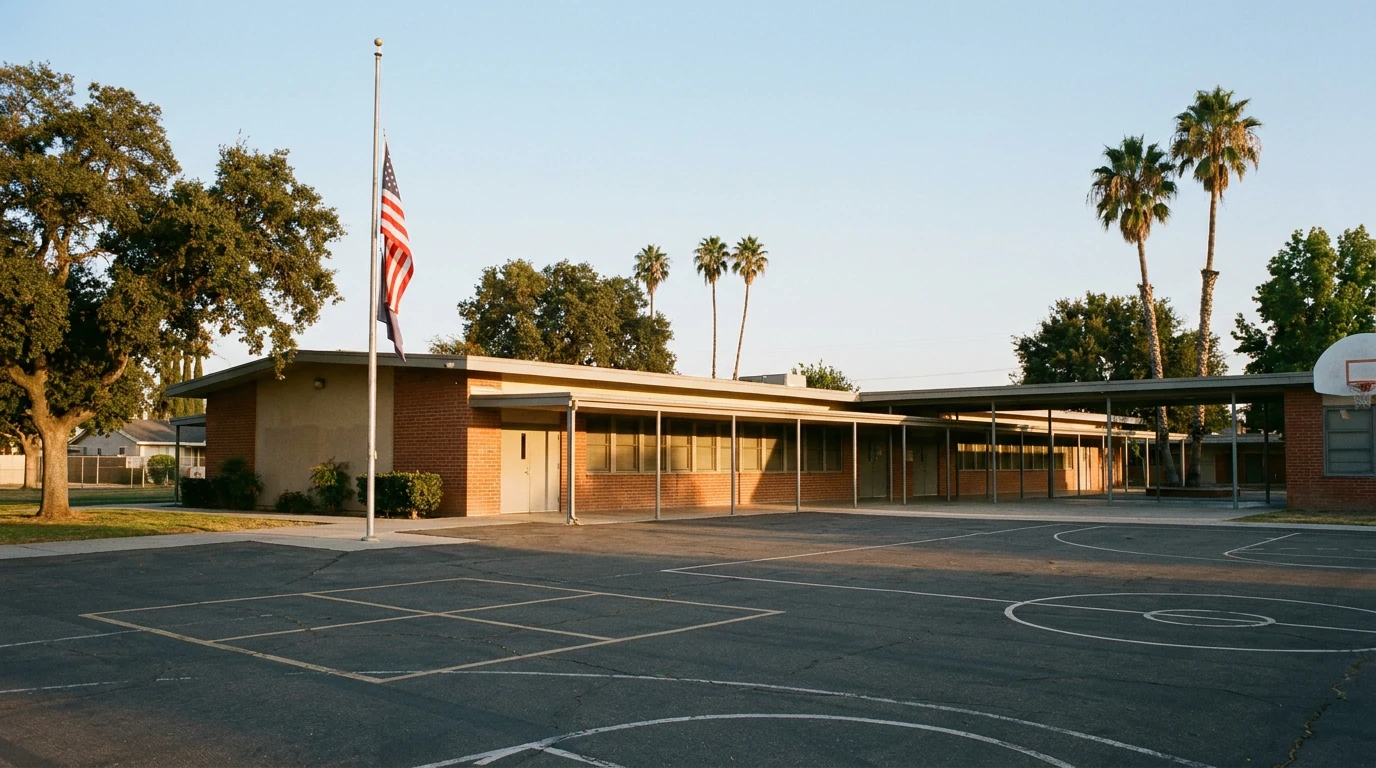
Hawthorne doesn't have a single school district. The western portion — Hollyglen, Del Aire and Wiseburn — is served by a different district, and that separates two similar houses a few blocks apart. Understand why part of what you pay extra for the house is the school, and how to check before making an offer.
 Episode 16 · Part 1 of 7
Wedged between Inglewood, Manhattan Beach and the airport, Hawthorne offers a South Bay location at a different price level. But it isn't one single city: the school district changes within the city itself, and that is what separates two similar houses just a few blocks apart.
Episode 18 · Part 6 of 10
The report arrived with a list. From it, the buyer can renegotiate the price, ask for a credit at closing, demand the repair — or leave the deal with the deposit back. The seller, by contract, is not required to respond at all.
Episode 18 · Part 5 of 10
Seventeen days as the standard deadline, a few hundred dollars and a report that runs past 90 pages. It isn't required by law — and it's done in practically every purchase, for a very concrete reason.